
What Is Derma Cosmetics? Understanding the Concept of Clinic Skincare
Derma cosmetics refers to a category of skincare developed from the perspective of dermatology professionals, such as dermatology clinics, with a focus on skin condition management—barrier care, soothing, and hydration. These products tend to be less irritating and have simpler formulations than general cosmetics, making them suitable for use after procedures or on sensitive skin. While the term is sometimes used interchangeably with 'cosmeceutical,' it's important to understand that in Korea, both are legally classified as 'cosmetics' and cannot claim drug-level efficacy when making a choice.
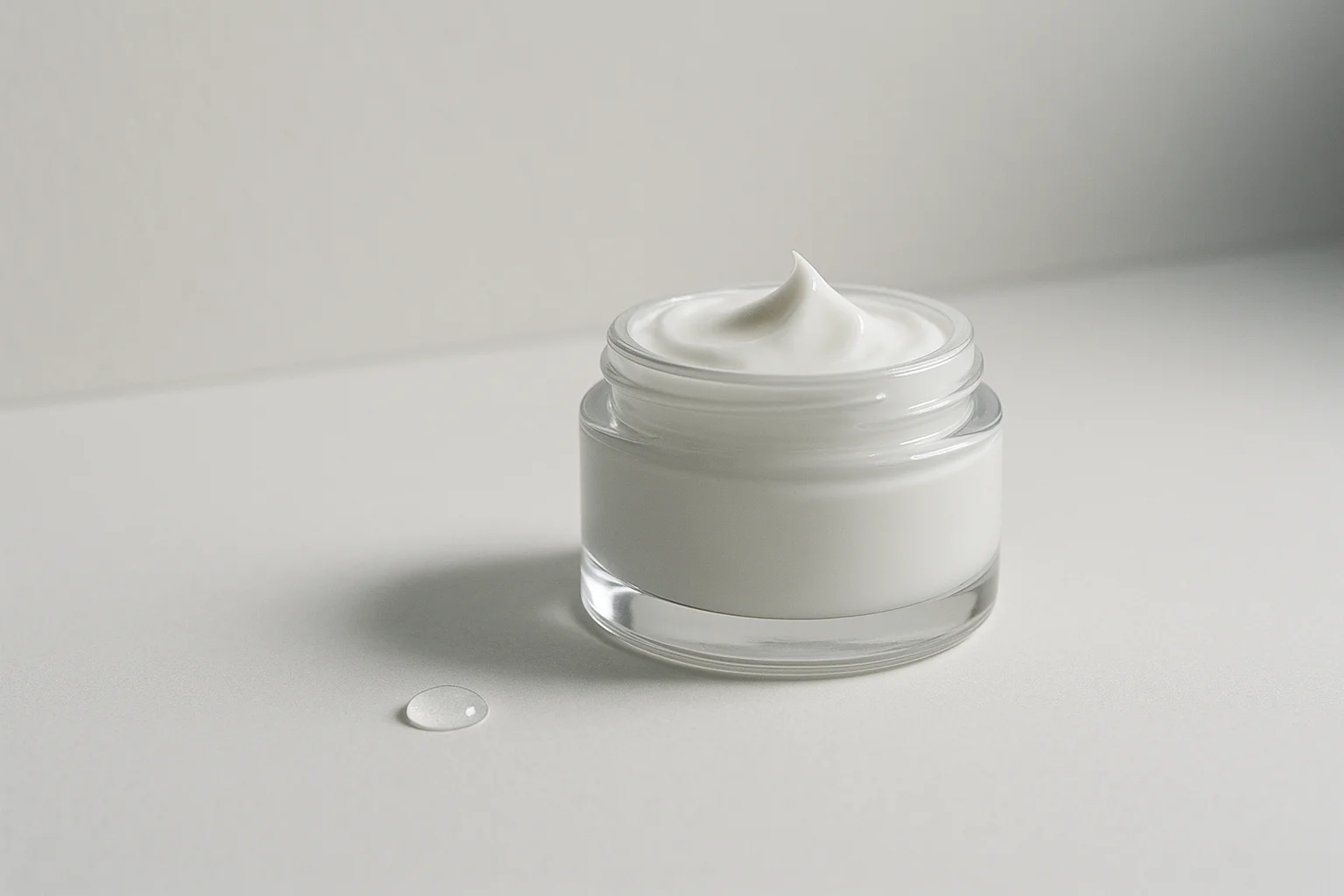
What Does 'Derma Cosmetics' Really Mean?
Derma cosmetics is a term combining 'Dermatology' and 'Cosmetic,' referring to skincare products created based on a dermatological approach. It's often called 'clinic skincare,' since these products are frequently developed with input from dermatology clinics or medical professionals.
However, even with 'derma' in the name, their legal status is identical to that of general cosmetics. Under Korea's Cosmetics Act, they are classified as cosmetics, not drugs, and cannot claim medical efficacy such as diagnosing, treating, or alleviating disease. Instead, it's more accurate to understand them as products that can help manage skin condition—such as barrier care, soothing, and hydration—within the scope permitted by cosmetics regulations.
In general, derma cosmetics tend to minimize ingredients that could cause irritation, such as fragrances and colorants, and are often designed around gentle, low-irritation ingredients—either those similar to the skin's own lipid composition (ceramides, cholesterol, fatty acids, etc.) or ingredients like panthenol and allantoin.
How Is It Different from Cosmeceuticals?
Cosmeceutical is a compound of 'Cosmetic' and 'Pharmaceutical,' representing a marketing concept that goes a step further than derma cosmetics in emphasizing the function of active ingredients. However, under Korea's legal system, cosmeceuticals are also classified as cosmetics rather than drugs, with no separate legal category.
In other words, derma cosmetics and cosmeceuticals differ mainly in their development background and marketing focus, but from a consumer's perspective, it's enough to understand both as 'cosmetics that emphasize a dermatological basis.' It's worth remembering that neither term implies the kind of treatment effect associated with drugs.
When and Why People Turn to Derma Cosmetics
Many people turn to derma cosmetics when their skin becomes more sensitive than usual—typically right after a lifting or skin booster procedure, when redness appears due to seasonal dryness, or when the skin barrier weakens and regular cosmetics no longer feel like a good fit.
During these periods, it can be a safer choice to prioritize products with minimal fragrance and colorant, simple formulations, and clinically confirmed low-irritation results.
A Phase-by-Phase Approach to Home Care
In the first few days after skin becomes sensitive, it's best to minimize irritation and focus on soothing and barrier care. Using products containing ingredients that help ease irritation—such as ceramides, panthenol, and allantoin—while holding off on aggressive exfoliation or introducing new active ingredients is generally a safe approach.
Once the skin has settled down to some degree, it's natural to shift the focus of care toward deep hydration and skin texture. During this phase, consistently using ingredients that help boost moisture retention and refine skin texture can be beneficial for maintaining skin condition.
In short, the step-by-step flow of 'soothing and barrier care → deep hydration and condition care' forms the basic approach when using derma cosmetics.
Recovery After a Procedure Depends on Home Care
ABIJOU Cream is a derma cosmetic line built around this step-by-step care flow in a 2-STEP format. In the initial, more sensitive phase, the Ultra Cera-Rich Cream—formulated with a 5-ceramide complex designed to resemble the skin's own lipids—provides soothing and barrier care, while the Hydro Re-Boosting Cream takes over once the skin has settled, supporting deep hydration and texture care to help manage skin condition. Each product is based on results from human application tests conducted at the P&K Skin Research Center, which confirmed non-irritating results. Detailed ingredient information and usage instructions are available at the brand's official site, abijoushop.com.
FAQ
- What exactly does 'derma cosmetics' mean?
- Derma cosmetics is a compound of 'Dermatology' and 'Cosmetic,' referring to skincare products developed based on a dermatological approach. However, they are legally classified the same as general cosmetics and cannot claim drug-level efficacy.
- What's the difference between derma cosmetics and cosmeceuticals?
- Cosmeceutical is a compound of 'cosmetic' and 'pharmaceutical,' a concept that more actively emphasizes the function of active ingredients. However, under Korea's legal system, both terms are classified as 'cosmetics' without a separate category, so from a practical consumer standpoint, it's fine to understand them as largely the same.
- Can derma cosmetics only be purchased at clinics?
- Because of the nickname 'clinic skincare,' it's easy to assume these products can only be bought at clinics, but in reality, they are general cosmetics available through various channels, including online stores and drugstores.
- What should you check first when choosing a derma cosmetic product?
- It's a good idea to check the full ingredient list and whether clinical testing has been conducted. Look for low levels of fragrance and colorants, the presence of barrier- and soothing-care ingredients like ceramides and panthenol, and any results from hypoallergenic testing.
Medically reviewed by 아비쥬의원 의료진. (September 10, 2026)