
Which Skin Types Suit Tranexamic Acid?
Tranexamic acid is a functional whitening ingredient often sought out by those interested in caring for pigmentation and redness-prone skin tone, especially those concerned about melasma and blemishes or sensitive skin that easily flushes. However, no single ingredient solves every skin concern, so it's important to consider your own skin condition along with any co-used ingredients and potential irritation.
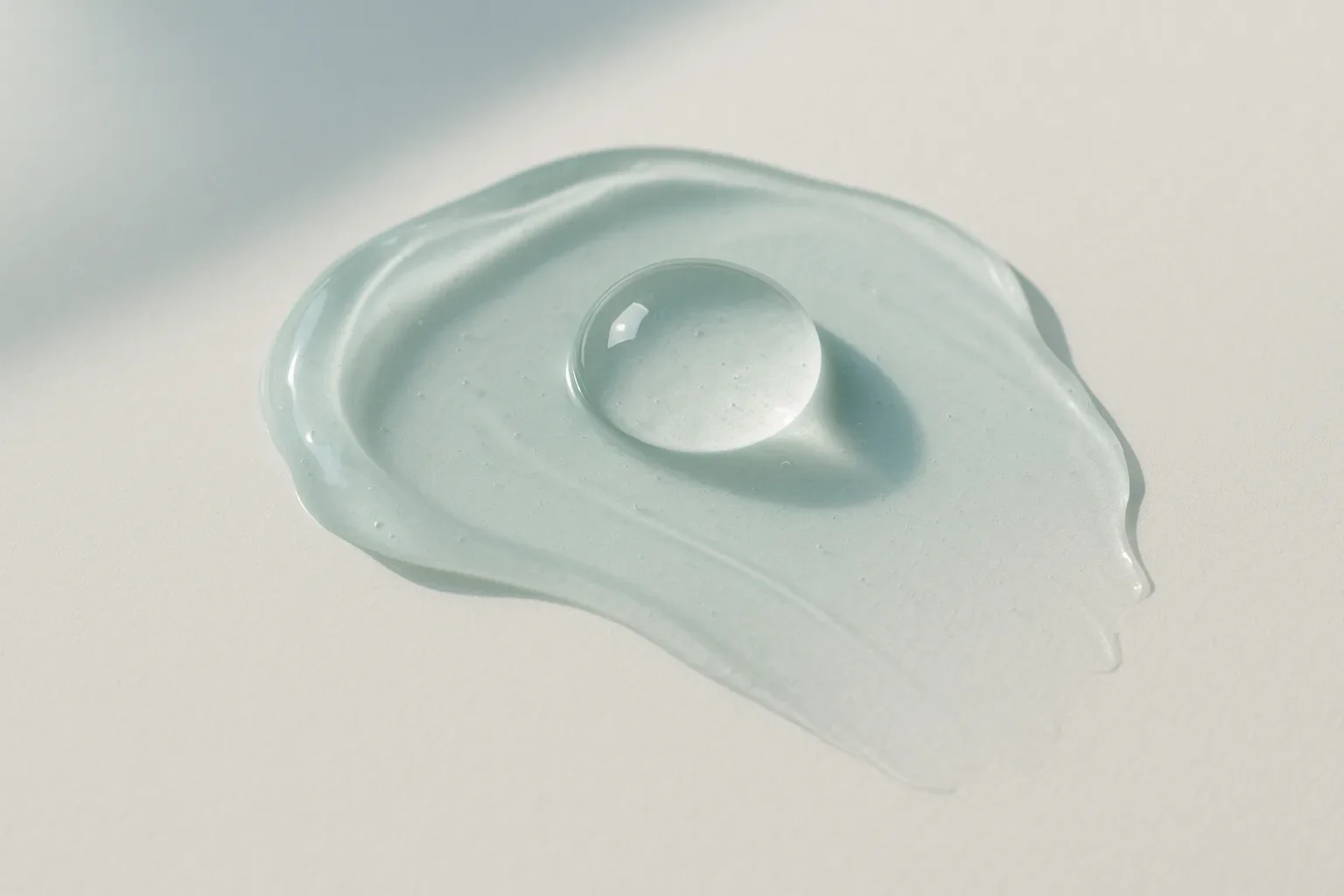
Tranexamic Acid was originally developed for hemostatic purposes, but when applied to the skin, it's widely used as a functional whitening cosmetic ingredient because it's involved in the signaling process of melanin production. People who search for this ingredient often want to know if it suits 'skin concerned about melasma and blemishes,' 'skin wanting to even out a dull tone,' or 'skin with both redness and pigmentation.'
In conclusion, tranexamic acid is known as an ingredient that can be relatively safely tried even on skin that is both concerned with pigmentation and sensitive to irritation. However, the actual experience may vary depending on other active ingredients combined in the formulation (such as retinol or high-concentration vitamin C), frequency of use, and the condition of your own skin barrier.
How does tranexamic acid work?
Skin pigmentation appears when melanocytes become excessively activated due to various stimuli such as UV rays, inflammation, and friction. Tranexamic acid is registered and used as a functional cosmetic ingredient that intervenes in the signaling pathway that stimulates melanocytes, ultimately helping to even out skin tone.
Tranexamic acid is also perceived as relatively less irritating compared to other whitening ingredients, so it tends to be tried with relatively less concern even on sensitive skin or skin recovering after a procedure. However, being 'relatively low-irritation' doesn't mean it's 'irritation-free for all skin types,' so it's important to test with a small amount when using it for the first time.
Skin types that may want to consider this ingredient
① Skin concerned with melasma, blemishes, and pigmentation — commonly formulated into functional products aimed at tone correction.
② Skin showing both redness and pigmentation — for skin prone to redness, dullness and redness often appear together as combined concerns, and products addressing this combination frequently include tranexamic acid.
③ Skin that is sensitive to irritation but doesn't want to give up on brightening care — thanks to its reputation as relatively mild, it is sometimes tried in small amounts even on sensitive skin.
Conversely, when the skin barrier is significantly weakened or during sensitive periods such as right after a procedure, it is recommended to prioritize soothing and barrier care over brightening active ingredients, then move on to the tone care stage afterward.
Order matters after procedures or irritation
In situations where the skin barrier is temporarily weakened, such as right after laser procedures, peels, or strong UV exposure, it is generally recommended to first go through a recovery stage that calms redness and irritation and strengthens the barrier, rather than immediately applying concentrated brightening actives including tranexamic acid.
During this period, the skin's response to irritation becomes more sensitive, so ingredients that normally suit the skin well can temporarily cause stinging or redness. This is why the order of care during the early recovery stage is treated as important, to the point where it's said that 'post-procedure care determines the results of subsequent tone care.'
Home care guide by recovery period
Days 1–3: This is a period when redness and warmth remain, so it's best to hold off on irritating active ingredients and focus on soothing, moisturizing, and barrier care. A routine centered on lukewarm-water cleansing, sun protection, and low-irritation moisturizers is recommended.
Days 4–7: As redness gradually subsides, a feeling of tightness and fine flaking may appear. From this point, you can gradually strengthen deep moisturizing care and consider introducing tone care ingredients depending on the skin's condition.
After that: Once the skin is confirmed to be stable, approaching tone care ingredients like tranexamic acid by starting with a small amount and gradually increasing helps you monitor results without irritation.
Connecting to products
PLACEHOLDER
Post-procedure recovery is determined by home care
As such, before introducing tone care ingredients, a routine that soothes irritated skin according to each stage must be established first. The ABZ Cream is a 2-STEP post-procedure recovery solution: during days 1–3, when redness and warmth remain, it suggests focusing on soothing and barrier care with the Ultra Cera-Rich Cream (clinical name: Cera-BZ Cream), and from day 4 onward, when tightness begins, continuing with deep moisturizing and skin texture care using the Hydro Re-Boosting Cream (clinical name: Renew-BZ Cream). Both products are based on a 5-ceramide complex formulation and can be referenced during the stage of stabilizing skin before starting tone care ingredients such as tranexamic acid.
물리적 자극으로 붉어진 피부의 붉은기 진정에 도움. 개인차가 있을 수 있습니다.
출처 P&K 피부임상연구센타 시험성적서 (PNK-26224-RI2R)
물리적 자극으로 손상된 장벽이 손상 전 수준으로 회복되는 데 도움. 개인차가 있을 수 있습니다.
출처 P&K 피부임상연구센타 시험성적서 (PNK-26224-RI2R)
피부결 정돈에 도움. 개인차가 있을 수 있습니다.
출처 P&K 피부임상연구센타 시험성적서 (PNK-26223-RI1R)
FAQ
- Can I use tranexamic acid and vitamin C together?
- There are products that combine both ingredients, but layering separate single-ingredient products may increase irritation, so it's best to start with alternating-day use and monitor your skin's reaction.
- Can sensitive skin use tranexamic acid?
- It's known to be relatively low-irritation, but individual differences exist, so if you have sensitive skin, it's recommended to do a patch test with a small amount first and gradually increase usage.
- Can I apply tranexamic acid products right after a procedure?
- During the period right after a procedure when redness and warmth remain, it's recommended to prioritize soothing and barrier care over active ingredients, then move on to tone care once the skin has stabilized.
- How many days does it take to see effects from tranexamic acid?
- Skin tone care tends to be felt gradually with consistent use rather than showing immediate results in a short period, and individual differences can be significant.
Related products
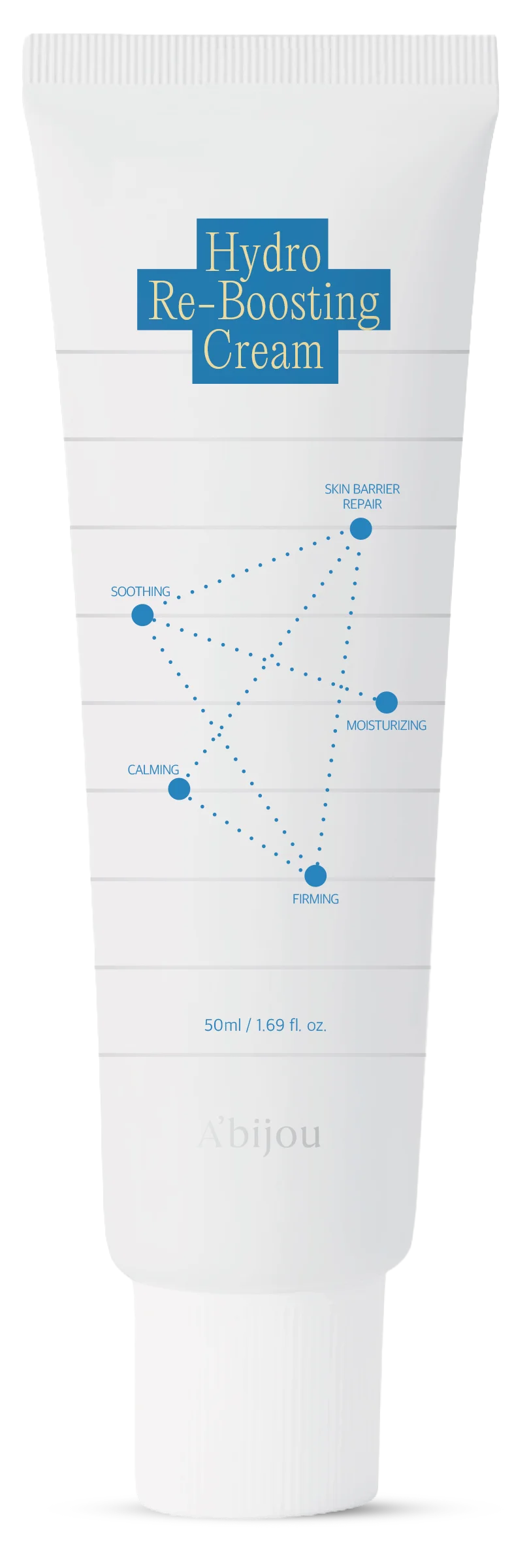 하이드로 리-부스팅 크림Buy
STEP 2 · 회복기 속보습
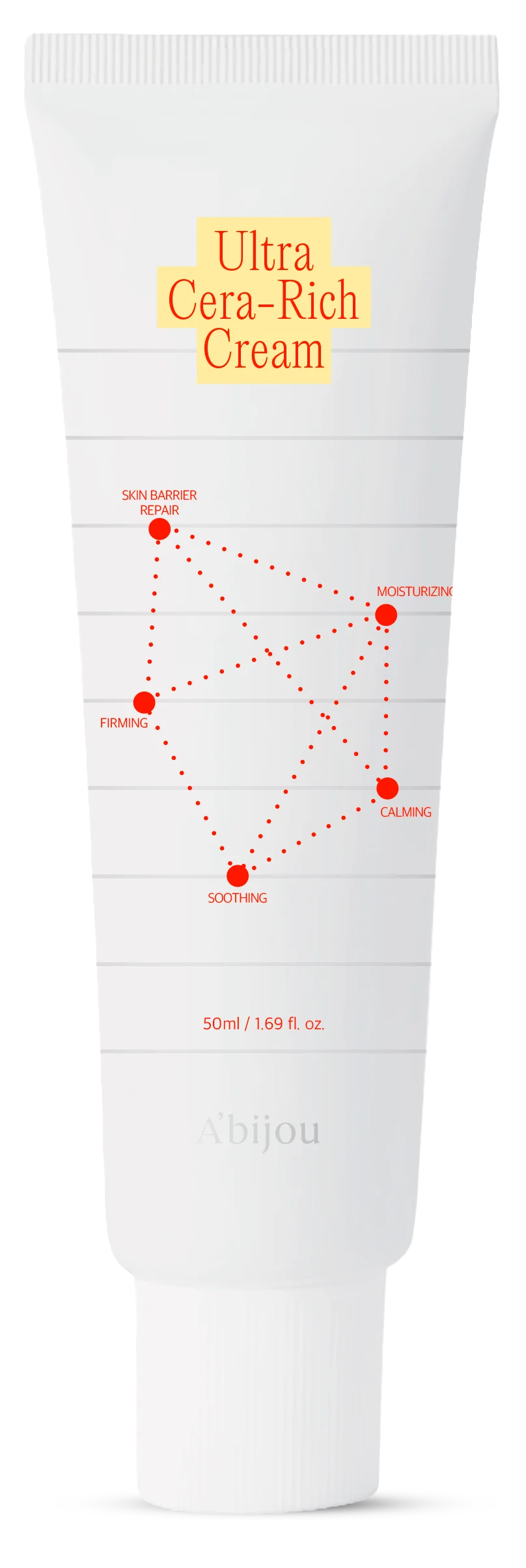 울트라 세라-리치 크림Buy
STEP 1 · 시술 직후 진정·장벽 케어