
What Skin Type Is Bakuchiol Suitable For? A Complete Guide to Retinol Alternatives
Bakuchiol is generally less irritating than retinol-family ingredients, making it relatively suitable for sensitive or dry skin, skin recovering after procedures, and those for whom retinol use is a concern, such as during pregnancy or breastfeeding. However, this doesn't mean it causes no irritation at all, so it's safer to gradually acclimate the skin starting with low concentrations. Right after a procedure or when the skin barrier is weakened, soothing and moisturizing care should take priority over bakuchiol.

Bakuchiol is a plant-derived ingredient extracted from the seeds of the legume plant Psoralea corylifolia. Although its mechanism of action differs from retinol, it is often used for similar purposes in terms of skin texture and tone care.
Retinol-family ingredients can sometimes cause initial reactions such as redness, flaking, or stinging during the process of promoting skin cell turnover, whereas bakuchiol is known to have a relatively lower frequency of such reactions, drawing attention as a gentler alternative.
- 1Days 1-3 right after the procedurePrioritize soothing redness and heat, and barrier care
- 2Recovery period from day 4 onwardCare for tightness and dryness, focus on deep hydration
- 3After the stabilization periodCarefully introduce texture-care ingredients such as low-concentration bakuchiol
How does bakuchiol work?
Bakuchiol is reported to act in a manner somewhat similar to the retinoid receptor pathway, but its chemical structure itself differs from retinol. Because of this, it is often noted to be relatively more stable under light exposure, with less concern about use during the daytime.
However, this doesn't mean it's completely irritation-free. Using it at high concentrations from the start, or when the skin barrier is already weakened, can cause reactions such as tightness or stinging. Especially during periods when the skin barrier is temporarily thinned, such as right after a procedure, soothing and moisturizing take priority over functional ingredients like bakuchiol.
Skin types that may benefit from bakuchiol
Bakuchiol is often mentioned as a relatively accessible option for sensitive skin that easily developed redness or flaking with retinol, dry skin that finds retinol's typical tightness burdensome due to severe dryness, and those interested in improving skin texture but looking for a gentler formula.
On the other hand, if there's already redness or irritation, or during the recovery period right after a procedure, reducing irritation and replenishing moisture should come before any functional ingredient, including bakuchiol. It's recommended to gradually introduce it at a low concentration once the skin condition has stabilized to some extent.
Adaptation period: how many days should you observe?
When using bakuchiol for the first time, it's generally safer to start with evening-only use about every other day for around the first week while observing skin reactions.
From the second week, if there are no significant adverse reactions, you can gradually increase the frequency of use. If stinging, persistent redness, or worsening flaking occurs during this period, it's best to stop use and let the skin rest with a focus on moisturizing and soothing care.
After 4 weeks, most skin has adapted to the ingredient, moving into a stage of consistent use while observing changes in skin texture. However, since individual differences can be significant, this timeline should be used only as a reference.
Step-by-step home care: from introduction to stabilization
Stage 1 (introduction, weeks 1-2) starts with low concentration and low frequency, with the key being to thoroughly replenish moisture before and after use. It's recommended to apply a cream containing soothing ingredients right after cleansing while the skin is still damp, then apply a thin layer of the bakuchiol product afterward.
Stage 2 (stabilization, from week 3 onward) involves increasing the frequency of use, but requires flexible adjustment—reducing frequency immediately if signs of redness or sensitivity appear. Barrier care and deep moisturizing should continue in parallel during this period.
In particular, if you have had or are planning to have lifting or laser procedures, pausing the use of functional products like bakuchiol for a few days before and after the procedure and switching to soothing and moisturizing care can help reduce the burden on the skin. Since post-procedure care largely determines the overall recovery speed of skin condition, it's helpful to review your home care routine during this period.
Care during sensitive periods before and after procedures
The first 1-3 days right after a procedure are a period when redness and warmth remain, so priority should be given to creams focused on soothing and barrier care. During this time, you may consider products formulated mainly with ingredients that help ease irritation, such as lipid ingredients including 5 types of ceramides, along with panthenol and allantoin.
After entering the recovery phase from day 4 onward, redness tends to subside, but a feeling of tightness and dryness inside the skin often remains. At this point, it's a natural flow to shift toward care focused on deep hydration and skin texture refinement. Ingredients like bakuchiol, which aim at skin texture care, can also be carefully introduced after this stabilization period, primarily using low-irritant products.
Post-Procedure Recovery Is Determined by Home Care
During periods when the skin is sensitive, such as right after a procedure, soothing and barrier care take priority over functional ingredients like bakuchiol. The ZXQMAGAZINETERM Aviju CreamZXQ features a 2-STEP formulation tailored to the post-procedure recovery flow: for days 1 to 3, when redness and heat sensation remain, the Ultra Cera-Rich Cream containing lipid ingredients such as 5 types of ceramides is recommended, and from day 4 onward, when redness subsides but tightness remains, the Hydro Re-Boosting Cream with a high concentration of panthenol is recommended to stabilize the skin condition. It is advised to introduce texture-care ingredients like bakuchiol only in the following stage.
물리적 자극으로 붉어진 피부의 붉은기 진정에 도움. 개인차가 있을 수 있습니다.
출처 P&K 피부임상연구센타 시험성적서 (PNK-26224-RI2R)
물리적 자극으로 손상된 장벽이 손상 전 수준으로 회복되는 데 도움. 개인차가 있을 수 있습니다.
출처 P&K 피부임상연구센타 시험성적서 (PNK-26224-RI2R)
자극 후 건조함 케어에 도움. 개인차가 있을 수 있습니다.
출처 P&K 피부임상연구센타 시험성적서 (PNK-26223-RI1R)
피부결 정돈에 도움. 개인차가 있을 수 있습니다.
출처 P&K 피부임상연구센타 시험성적서 (PNK-26223-RI1R)
FAQ
- Can I use bakuchiol and retinol together?
- Using them together is not recommended, as the irritation from both can overlap. It's better to choose one of the two ingredients, or use them at different times of day, starting with low frequency and monitoring your skin's response.
- Can pregnant women use bakuchiol?
- Bakuchiol is a plant-derived ingredient known to be gentler than retinol, but individual health conditions can vary, so it's safer to consult a specialist before use.
- Can I use bakuchiol products right after a procedure?
- This is not recommended. Right after a procedure, the skin barrier is temporarily weakened, so soothing and moisturizing care should be prioritized first, and bakuchiol should be introduced at a low concentration only after the skin condition has stabilized.
- What should I do if I feel stinging after using bakuchiol?
- Stop use immediately and stabilize your skin with a cream containing ingredients that help relieve irritation and soothe the skin. If the reaction persists, it's recommended to reduce the frequency of use or switch to a lower-concentration product.
- When can I expect to see results from bakuchiol?
- Results vary by individual, but generally, changes in skin texture are noticeable after several weeks of consistent use. It's better to approach it with a long-term care perspective rather than expecting immediate change.
Related products
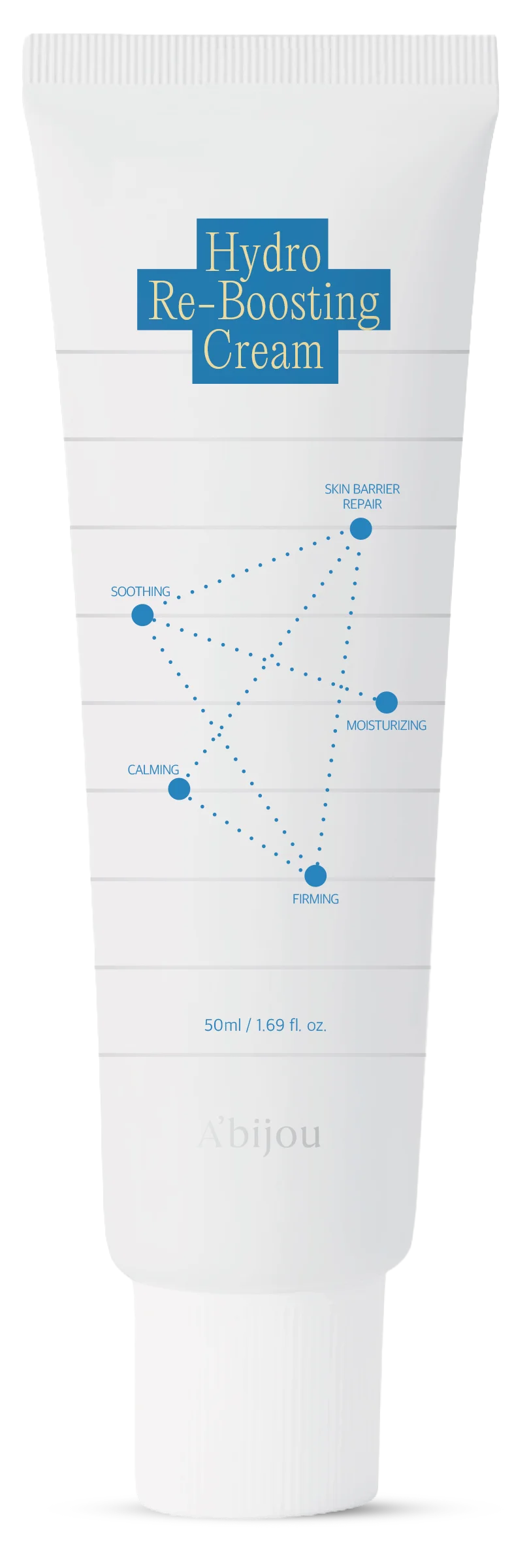 하이드로 리-부스팅 크림Buy
STEP 2 · 회복기 속보습
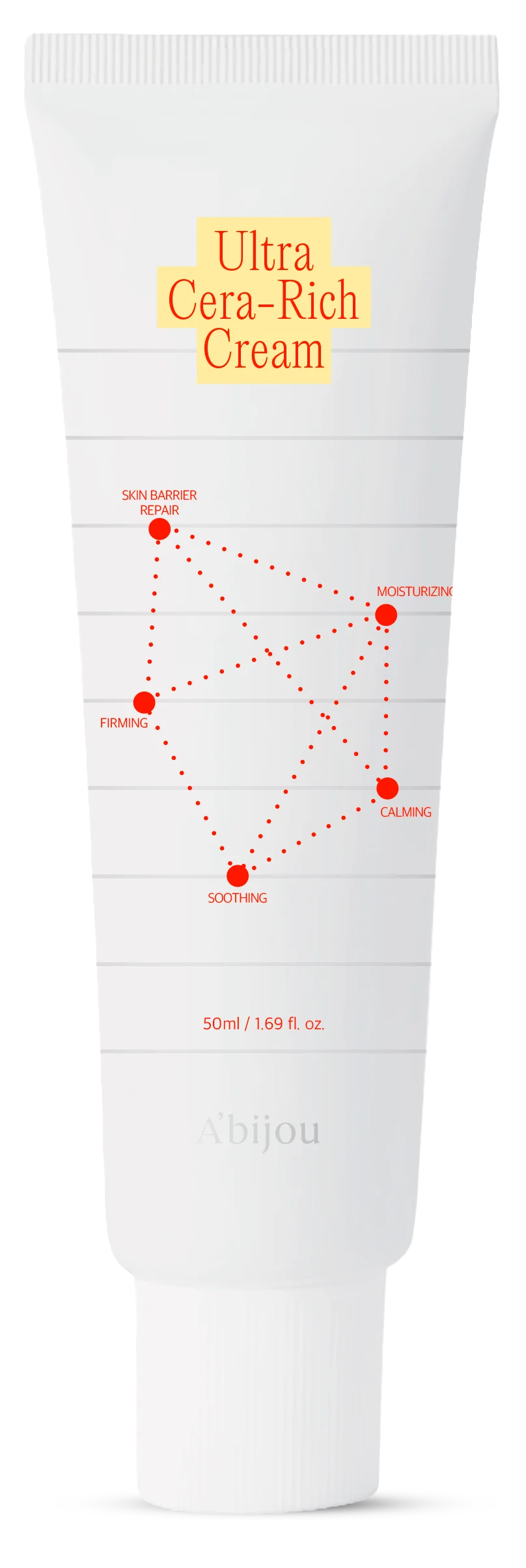 울트라 세라-리치 크림Buy
STEP 1 · 시술 직후 진정·장벽 케어