
The Principle and Effects of Vitamin C: Why Is It Good for Skin?
Vitamin C is a well-known antioxidant ingredient widely used for its potential to help with skin tone care and texture refinement. However, irritation may vary depending on the ingredient form, concentration, and combination with other ingredients, so it's important to use it in a way suited to your skin condition. Especially during periods when the skin barrier is sensitized, such as right after a lifting procedure or skin booster treatment, it's safer to postpone high-concentration vitamin C use and prioritize soothing and moisturizing care.

One of the most frequently seen names on cosmetic ingredient lists is vitamin C (ascorbic acid and its derivatives). It's often mentioned alongside the word 'antioxidant' for its tone care and skin texture refinement effects, but many people only have a vague understanding of the actual mechanism behind it.
This article covers how vitamin C works on the skin, the progression of skin responses that can occur with use, and the at-home care steps for using it safely.
- 1Days 1-3Initial adaptation period, possible temporary stinging or redness
- 2Weeks 1-2Beginning to notice tone and texture improvement, sunscreen use essential
- 34+ weeksTone and texture condition relatively stable
How Does Vitamin C Work on the Skin?
Vitamin C is known as an antioxidant ingredient that counteracts oxidative stress occurring on the skin's surface and in the dermal layer. When exposed to external environmental factors such as UV rays and fine dust, free radicals increase within the skin, and vitamin C is used as an ingredient that helps protect skin condition under these circumstances.
Vitamin C is also widely used as a care ingredient for evening out dull-looking skin tone. Pure vitamin C (ascorbic acid) tends to show effects quickly but is prone to oxidation and some people may find it irritating, so stabilized derivative forms such as ascorbyl glucoside and magnesium ascorbyl phosphate are also widely used these days.
However, vitamin C is an ingredient that tends to cause more irritation in formulations with lower acidity (lower pH). In particular, when the skin barrier is weakened or the skin has become sensitive due to procedures, reactions such as stinging and redness may occur, so it is necessary to adjust the timing of use and the concentration.
How does the skin's response appear over time after use?
When first using vitamin C or increasing its concentration, the skin's response generally shows changes over the course of several days.
In the early stage of use (1-3 days), slight stinging or temporary redness may appear. This is a commonly observed reaction as the ingredient adapts to the skin, and if irritation is severe or persists for a long time during this period, it is best to pause use and focus on soothing care.
After 1-2 weeks, once the skin has adapted to the ingredient, many people notice that their tone looks clearer and their skin texture feels more refined. However, even during this period, neglecting sun protection makes it difficult for vitamin C's antioxidant action to be fully effective, so using sunscreen alongside it is essential.
With long-term (4 weeks or more) consistent use, skin tone and texture tend to remain relatively stable, but the timing and degree of noticeable effects can vary depending on individual skin type and ingredient concentration.
How to manage vitamin C use step by step
① When first introducing it, it is safer to start with a low-concentration derivative product and monitor the skin's response. Begin with every-other-day use, and gradually increase frequency if there is no irritation.
② On days when using vitamin C products, sunscreen should be applied thoroughly and carefully. This is because sun protection needs to be combined with it to maximize the role of the antioxidant ingredient.
③ If you have just received a lifting procedure (heat energy-based procedures such as Ultherapy, Thermage, or Shurink) or a skin booster procedure (such as Rejuran or Juvelook), it is better to prioritize soothing and barrier care over active ingredients like vitamin C. Since using vitamin C immediately after a procedure on sensitive skin may cause irritation, it is recommended to focus on low-irritation soothing care during the recovery period advised by the clinic, and then gradually resume vitamin C use afterward while monitoring skin condition.
④ If redness or stinging is felt, rather than forcing continued use, it helps to cleanse the face and soothe the skin with a non-irritating moisturizing product, then reintroduce vitamin C once the condition has stabilized.
During the post-procedure recovery period, skin condition care comes first
Right after lifting or laser procedures, or after skin booster treatments, the skin barrier is temporarily weakened, making redness, sensitivity, and dryness more likely to appear. During this period, home care focused on soothing and moisturizing—rather than active ingredients—forms the basis of recovery.
ABZU Cream is a recovery solution divided into 2 steps tailored to post-procedure skin condition. For the first 1 to 3 days right after a procedure, the 'Ultra Cera-Rich Cream' focuses on redness and barrier care, and from day 4 onward, once redness has subsided, the 'Hydro Re-Boosting Cream' is used for tightness and deep moisture care—allowing management to follow the flow of skin stabilization. Resuming active ingredients like vitamin C after this recovery stage, once the skin condition has stabilized, can be a way to reduce irritation.
Post-procedure recovery is shaped by home care
Active ingredients like vitamin C tend to be better tolerated when used on stabilized skin. In particular, right after lifting or laser procedures or skin booster treatments, recovery care focused on soothing and moisturizing takes priority over active ingredients, and this is where ABZU Cream's 2-STEP composition (Ultra Cera-Rich, Hydro Re-Boosting) can be used according to the treatment area and recovery stage. Since post-procedure care shapes the direction of skin condition management afterward, it is recommended to first address home care by recovery stage before resuming active care such as vitamin C.
물리적 자극으로 붉어진 피부의 붉은기 진정에 도움. 개인차가 있을 수 있습니다.
출처 P&K 피부임상연구센타 시험성적서 (PNK-26224-RI2R)
물리적 자극으로 손상된 장벽이 손상 전 수준으로 회복되는 데 도움. 개인차가 있을 수 있습니다.
출처 P&K 피부임상연구센타 시험성적서 (PNK-26224-RI2R)
자극 후 건조함 케어에 도움. 개인차가 있을 수 있습니다.
출처 P&K 피부임상연구센타 시험성적서 (PNK-26223-RI1R)
피부결 정돈에 도움. 개인차가 있을 수 있습니다.
출처 P&K 피부임상연구센타 시험성적서 (PNK-26223-RI1R)
FAQ
- Is it okay to apply vitamin C every day?
- If your skin has adapted well, daily use is possible, but when starting out, it's safer to use it every other day while monitoring for irritation. If stinging or redness appears, it's best to reduce frequency or pause temporarily and prioritize soothing care.
- Why does vitamin C sting when applied?
- Pure vitamin C (ascorbic acid) formulations have low pH, which can cause stinging on the skin. If your skin barrier is weakened or sensitive right after a procedure, you may feel more irritation, so it's best to postpone use during such periods and prioritize soothing and moisturizing care.
- When can I start using vitamin C after a lifting procedure?
- Right after a procedure, the skin barrier is sensitized, so it's best to postpone the use of active ingredients for a while. During the recovery period recommended by your clinic, prioritize soothing and moisturizing care first, and gradually reintroduce vitamin C once redness and irritation have sufficiently subsided, based on your skin's condition.
- Is it okay to use vitamin C together with other ingredients?
- Irritation can vary depending on the ingredient combination, so it's best to use it alone at first to check your skin's response. Especially during sensitive periods, maintaining a simple routine focused on soothing and moisturizing—rather than layering multiple active ingredients at once—can help manage skin condition better.
- What's the difference between vitamin C derivatives and pure vitamin C?
- Pure vitamin C (ascorbic acid) tends to show effects more quickly, but it oxidizes easily and can cause irritation. Derivative forms, such as ascorbyl glucoside, are relatively more stable and gentle, making them suitable for sensitive skin or those trying vitamin C for the first time.
Related products
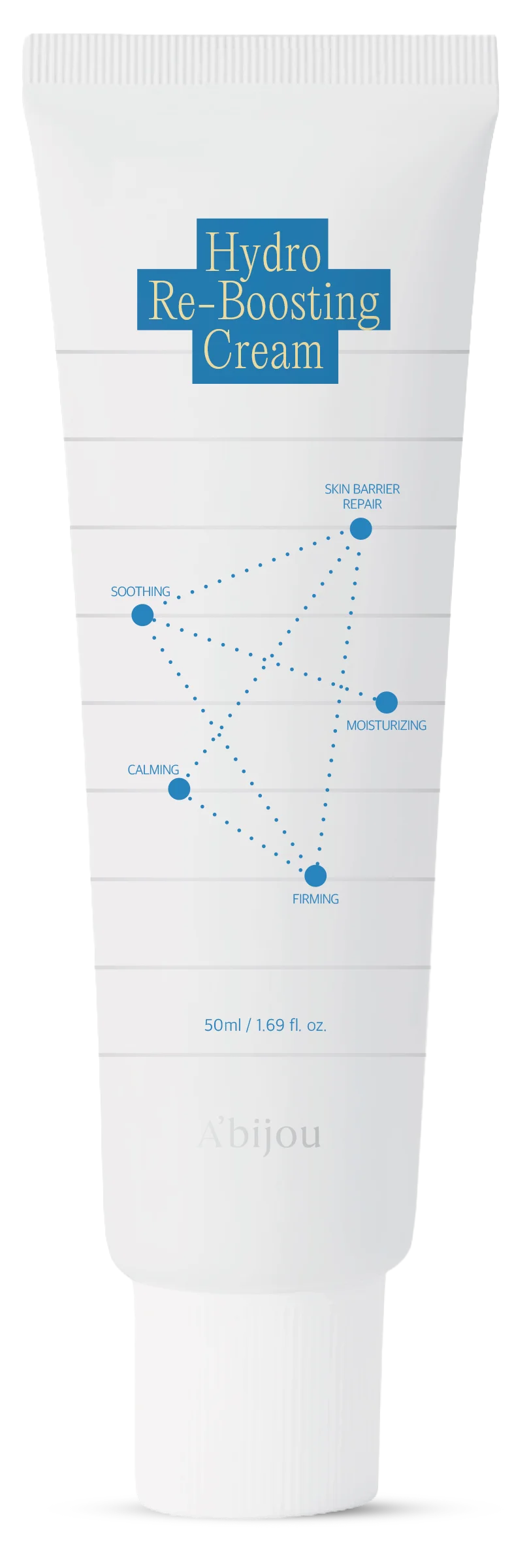 하이드로 리-부스팅 크림Buy
STEP 2 · 회복기 속보습
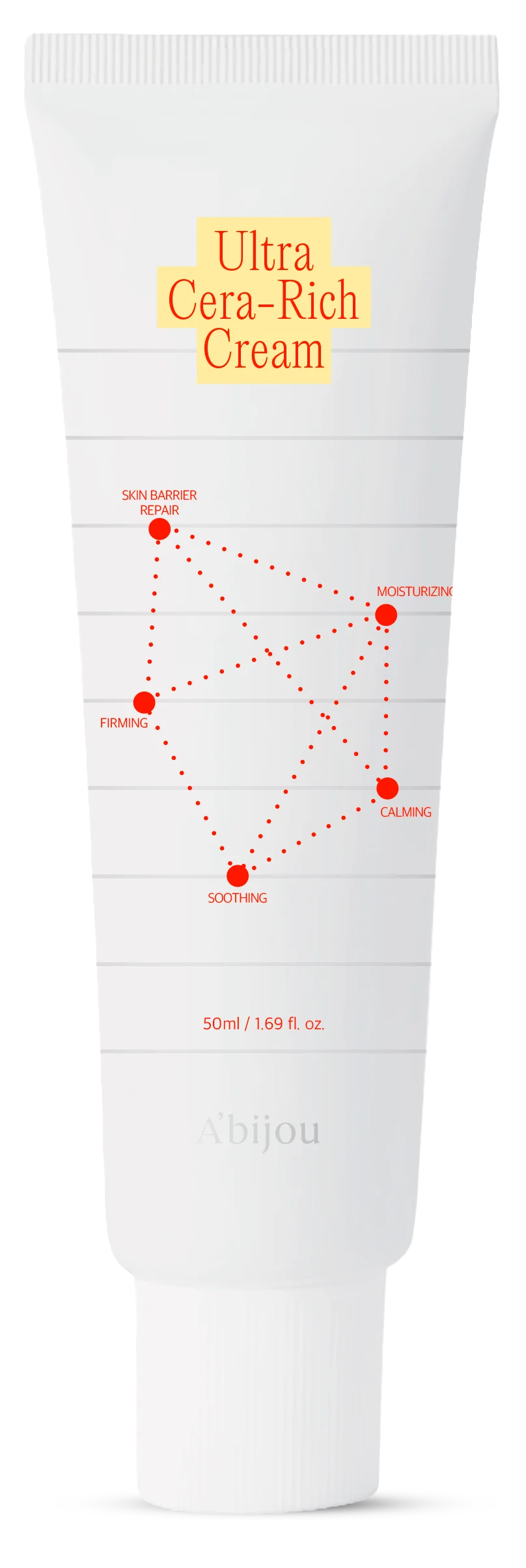 울트라 세라-리치 크림Buy
STEP 1 · 시술 직후 진정·장벽 케어