
Which Skin Types Are Best Suited for Bifida Fermented Filtrate?
Bifida fermented filtrate is a low-molecular-weight ingredient created through fermentation that can help with skin conditioning care and hydration management. It is a mild ingredient known to work particularly well for sensitive skin prone to irritation, dry skin with flaking, and skin requiring post-procedure care, and is generally known to be usable without significant irritation.
When looking through cosmetic ingredient lists, you frequently encounter the name 'bifida fermented filtrate.' Often it is difficult to determine from the name alone what role it plays or whether it suits your skin.
Bifida fermented filtrate is a filtrate obtained by fermenting Bifidobacterium, a type of lactic acid bacterium, and is known as an ingredient with small molecular size that helps absorption into the skin without stress. Due to its low irritation, it is receiving particular attention for sensitive skin, dry skin, and skin with weakened barriers.
What is bifida fermented filtrate?
Bifida fermented filtrate is characterized by having its ingredient structure become low-molecular-weight through the fermentation process. When molecules become smaller, they are known to spread evenly across the skin surface and be advantageous for absorption, which is why they are frequently used in products for hydration care purposes.
Additionally, due to the mild feel characteristic of fermented-derived ingredients, it is evaluated as an ingredient that can be used relatively burden-free on skin that reacts sensitively to irritation. However, reactions may differ depending on individual skin condition and combination with other ingredients.
Which skin types does it particularly suit?
Dry skin with tightness: Low-molecular hydrating ingredients can help spread evenly across the skin surface and reduce inner dryness.
Sensitive skin prone to irritation: If you are looking for a mild ingredient that can be used without irritation, this is worth considering.
Frequently flaking skin: It works well as an auxiliary ingredient in a skincare routine that helps organize skin texture.
Skin in recovery after procedures: During periods when the skin barrier is weakened, it is best to choose products composed mainly of low-irritant ingredients.
How skin sensitivity changes over different periods
During seasonal transitions or immediately after procedures when the skin barrier weakens, skin condition tends to change gradually over time.
Days 1-3 initial stage: This is a period when irritation responses such as redness, heat sensation, and stinging may appear prominently. It is best to focus on minimal care using primarily low-irritant ingredients.
Days 4-7: Noticeable redness subsides, but dryness symptoms such as skin tightness and fine flaking begin to appear. From this point on, it helps to gradually transition to care that enhances hydration.
After that: This is a period when skin texture becomes organized and condition gradually stabilizes, so it is good to continue consistent hydration and barrier care.
Home care by period, here's how to manage it
In the initial soothing stage, after cleansing, it is best to minimize irritation and apply a thin layer of low-irritant cream as if covering the skin. The key is to let it absorb gently without rubbing.
After redness subsides, move on to addressing inner dryness and tightness. We recommend a routine that uses products containing low-molecular hydrating ingredients like bifida ferment filtrate to fill moisture deep into the stratum corneum.
It is important to continue care suited to each period, and at this time, using products separately according to the irritation stage and recovery stage can help with skin condition management.
Post-procedure recovery depends on home care
Abijou cream incorporates this period-specific care concept in a 2-step system. In the initial stage when redness and heat sensation are prominent, use STEP1 Ultra Sera-Rich Cream for soothing and barrier care, and in the recovery phase after redness subsides and inner dryness remains, use STEP2 Hydro Re-Boosting Cream for deep hydration care. Both products are 50ml each, priced at 59,000 won and can be found at abijoushop.com.
FAQ
- Can bifida fermented filtrate be used on sensitive skin?
- It is known to have a gentle feel as a low-molecular-weight ingredient created through fermentation, making it relatively easy to use on sensitive skin without burden. However, since individual reactions may vary, it is recommended to test with a small amount first.
- Can bifida fermented filtrate and ceramides be used together?
- Yes, the two ingredients can be used together as they serve different purposes. While bifida fermented filtrate aids in low-molecular hydration, ceramides can help with barrier care through a composition similar to skin lipids, allowing them to work in complementary ways.
- Is it okay to use bifida fermented filtrate after procedures?
- Although generally known as a mild ingredient, the skin barrier is weakened immediately after procedures, so it is best to choose low-irritant products and differentiate usage timing (early soothing phase vs. recovery phase).
- Does it work for dry skin?
- Due to its low-molecular structure, it is known to absorb evenly into the skin and can help with hydration care. For severe dryness, it is good to use it together with products that have high moisture content.
Related products
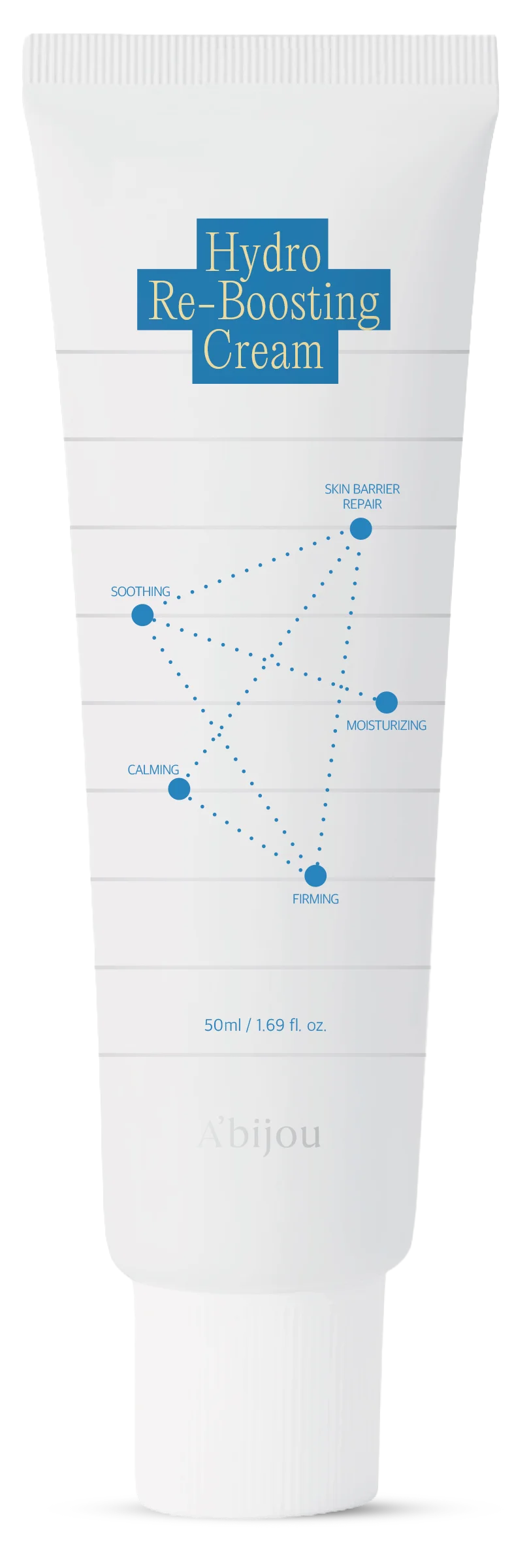 하이드로 리-부스팅 크림Buy
STEP 2 · 회복기 속보습
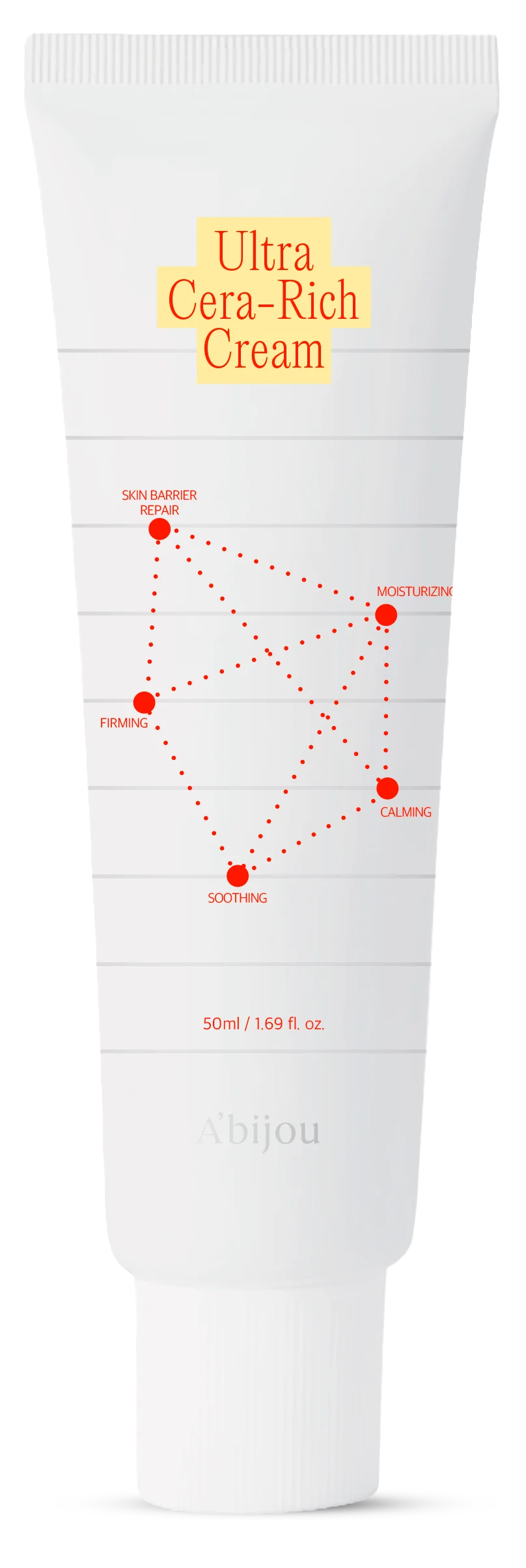 울트라 세라-리치 크림Buy
STEP 1 · 시술 직후 진정·장벽 케어