
Ceramide Application Order: A Step-by-Step Skincare Guide
Ceramide is an ingredient that helps support barrier care by replenishing lipid components in the skin's stratum corneum. It's generally recommended to use it after toner, at the stage of relatively higher-viscosity products such as creams and essences. However, the order can vary depending on product formulation and purpose, and in situations where the skin barrier is weakened, such as right after a procedure, gentle, moisturizing care itself may matter more than the order.
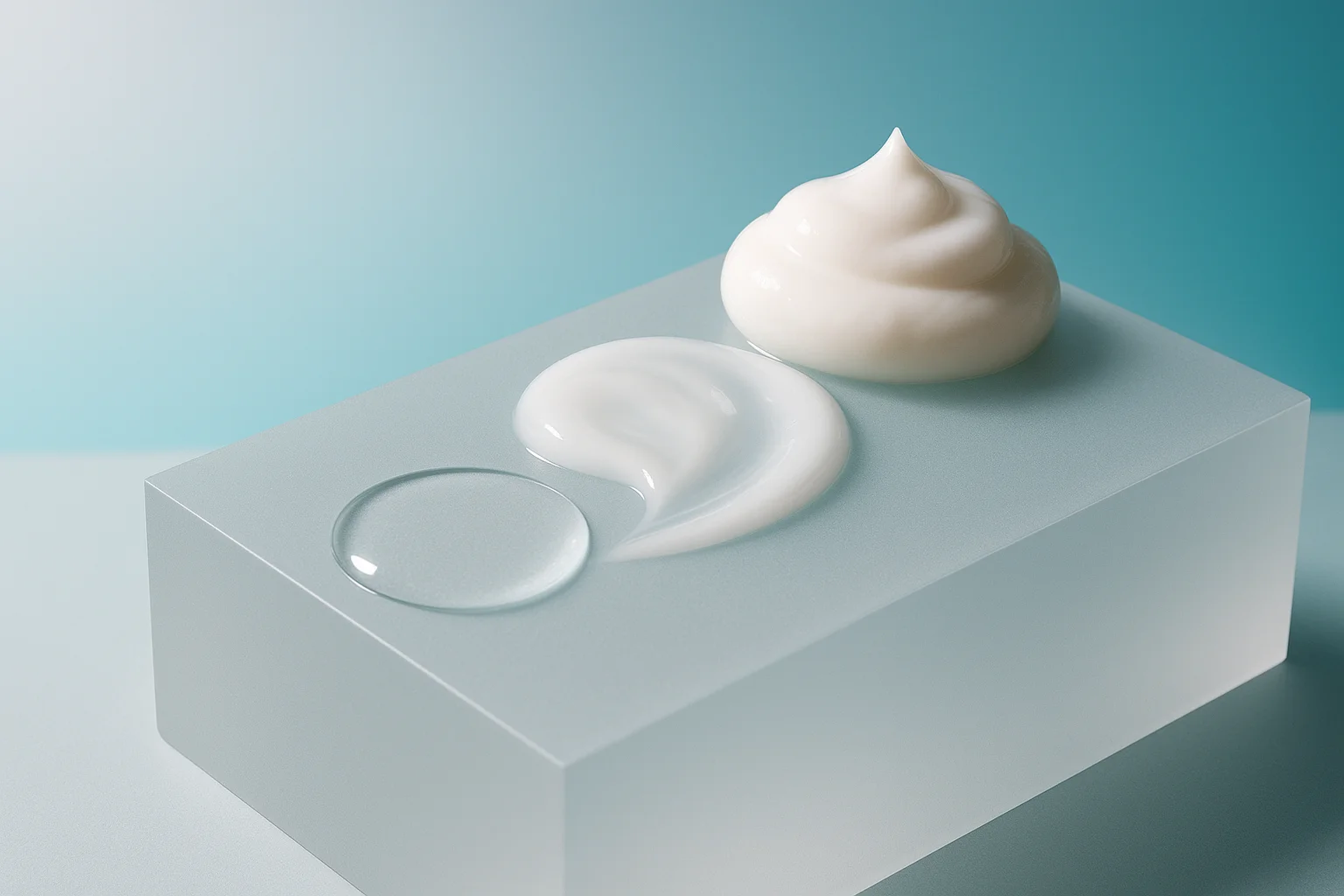
Ceramide is one of the lipids that make up the skin's stratum corneum, and it's an ingredient closely related to the barrier function that reduces moisture loss and protects the skin from external irritants.
There are many questions about when to apply ceramide products in a skincare routine, as this can vary slightly depending on the formulation (lotion, essence, cream) and combination with other products. This article covers the general order of use, as well as care approaches for when the skin barrier is sensitive, such as during recovery after a procedure.
What Is Ceramide?
The stratum corneum is composed of corneocytes and the lipids (ceramide, cholesterol, fatty acids, etc.) that fill the space between them. These lipid components bind the corneocytes together like cement between bricks, forming the skin barrier, and ceramide is known to make up a significant portion of this lipid structure.
It's reported that when the barrier is damaged, moisture loss can increase and sensitivity to external irritants can rise, which is why ceramide-containing products are widely used for moisturizing and barrier care in dry or sensitive skin. However, the perceived effect may vary depending on individual skin condition and other ingredients used.
The General Skincare Order and Where Ceramide Fits In
Skincare products are typically recommended to be applied in order from lighter to heavier, based on viscosity and absorption speed. The common approach is to cleanse, tone the skin, absorb functional products like essences and serums, and then finish with higher-viscosity, more emollient products like lotions or creams to seal in moisture.
Ceramide is available in various formulations, such as lotions, essences, and creams, and its place in the routine can vary depending on the formulation. For a ceramide essence or serum, it's commonly recommended to use it after toner; for a ceramide cream or ointment-type product, it's commonly recommended to use it as the final step in the skincare routine, so it seals in the lipid components and prevents them from being lost.
When using multiple products together, following the principle of applying lighter formulations first and heavier ones later, regardless of ingredient, can help with absorption and adherence.
The Relationship Between Post-Procedure Skin and Barrier Care
After skin procedures such as laser treatments, radiofrequency (RF) lifting, or skin boosters, it's known that the barrier function of the stratum corneum can temporarily weaken and moisture loss can increase. During this time, redness, dryness, and sensitivity may appear, and the degree and duration can vary depending on the type of procedure and individual differences.
During this recovery period, rather than following a complex skincare routine, it's generally recommended to minimize steps with low-irritation products and focus on barrier care and moisturizing. Lipid ingredients like ceramide are mentioned as one option to consider for home care during this time, but since the condition of the treated area and the appropriate timing for use can vary depending on the treatment site and method, it's best to prioritize the guidance of the treating specialist.
Post-Procedure Recovery Depends on Home Care
Right after a procedure, a two-step approach can help: focusing on soothing and barrier care with a low-irritation formulation immediately after, and then adding deep-moisturizing care as the recovery period progresses. Abyzoo Cream is designed with this flow in mind, consisting of STEP1 Ultra Cera-Rich (a formulation that helps soothe skin and support barrier care right after a procedure) and STEP2 Hydro Re-Boosting (deep-moisturizing care during recovery). STEP1 can be referenced after lifting or thermal energy-based procedures, and STEP2 during the recovery period after skin booster-type procedures; the actual timing and method of use should be decided in consultation with a specialist based on the condition of the treated area.
FAQ
- Can I apply ceramide before toner?
- Generally, it's commonly recommended to cleanse first, tone the skin, and then use a ceramide product. However, some lightweight formulations, such as ceramide mist-type products, may be guided differently as an exception, so it's a good idea to also check the product instructions.
- Can ceramide be used together with other moisturizing ingredients like hyaluronic acid?
- Ceramide is a lipid ingredient involved in barrier formation, while hyaluronic acid is involved in binding moisture, so they play different roles and are often used together. However, it's generally recommended to follow the order of applying lower-viscosity products first and higher-viscosity products later, regardless of the ingredient.
- Can I apply a ceramide product immediately after a procedure?
- The appropriate timing for use can vary depending on the type of procedure and the condition of the treated area. In particular, right after procedures involving damage to the stratum corneum, such as laser treatments or peels, it's safer to check whether the ingredients may cause irritation and to determine the timing of use according to the guidance of the treating clinic.
- How many days does it take to notice the effects of ceramide?
- The timing for noticing effects related to barrier care can vary significantly by individual, depending on skin condition, the degree of damage, and the products used, so it's difficult to specify an exact period. Consistent use, along with lifestyle habits that reduce irritating factors, may help.
Medically reviewed by 아비쥬의원 의료진. (September 10, 2026)