
Dark Circle Pigmentation: Laser Treatments and Recovery Care Tailored to Each Cause
Dark circles are known to result from a complex mix of causes—pigmentation type, shadow type (fat prolapse or tear trough), and vascular type—so the approach may vary depending on the type. Pigment lasers such as Q-switched Nd:YAG are used in a way that selectively targets pigment and vascular structures, but effects and perceived results vary greatly between individuals, and consultation with a specialist is needed to accurately identify the cause.
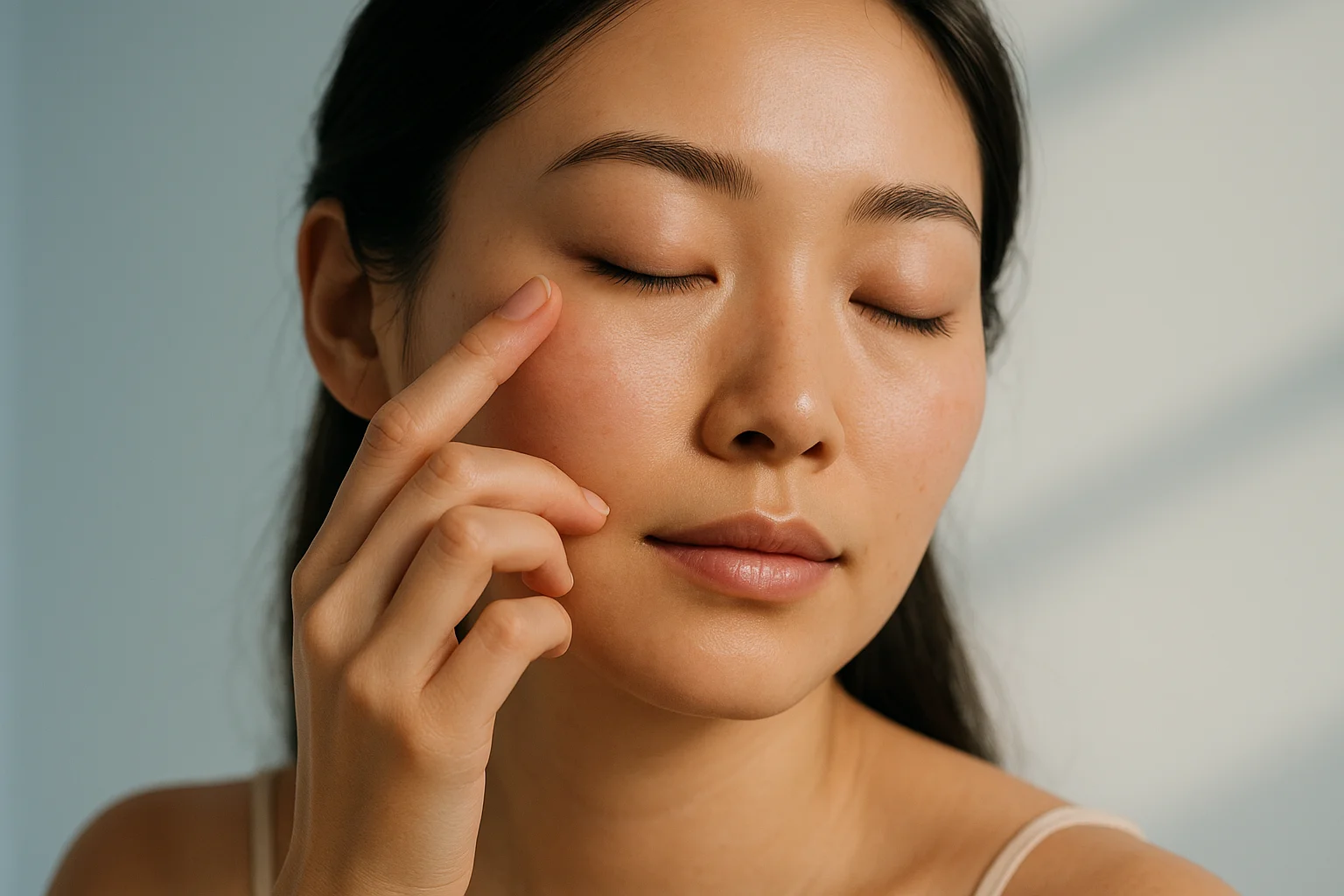
Dark circles under the eyes are often assumed to simply be a sign of fatigue, but in reality, they frequently result from a combination of several underlying causes.
According to medical information from Seoul National University Hospital, periorbital hyperpigmentation is broadly divided into pigmentation type, where discoloration occurs in the skin itself, and fat prolapse type, where eyelid fat protrudes and creates a shadow—among others—with the appropriate care approach differing depending on the cause.
Why Do Dark Circles Form — The Combined Effects of Pigment, Shadow, and Blood Vessels
A 2016 international review (JCAD) cites genetic factors, post-inflammatory hyperpigmentation, periorbital edema, excessive vascularity, and tear trough shadowing caused by skin laxity as contributing causes of dark circles. In other words, dark circles are reported to involve not only melanin deposition in the skin around the eyes, but also visible blood vessels beneath the skin and shadows caused by fat and structural changes.
A 2025 systematic review similarly defines periorbital hyperpigmentation as a multifactorial condition involving melanin deposition, shadowing, vascular congestion, and anatomical structural changes acting together. Because the specific combination of causes can differ from person to person even under the same label of 'dark circles,' cases where it is difficult to visually distinguish between pigmentation type and shadow type require confirmation through a specialist's diagnosis.
How Pigment Lasers Work
Pigment lasers such as the Q-switched Nd:YAG laser are known to act on pigment and vascular structures in the epidermis and dermis through a mechanism called selective photothermolysis. Light of a specific wavelength is selectively absorbed by melanin or hemoglobin in blood vessels, triggering a targeted reaction, and this is introduced as one of the approaches used for pigmentation-type dark circles.
However, a systematic review published in Dermatologic Surgery in 2020 reported that various methods—including lasers, topical creams and serums, fillers, chemical peels, carboxytherapy, PRP, blepharoplasty, and hyperbaric oxygen therapy—have been used to treat dark circles. It noted that topical creams and chemical peels were mainly effective for pigmentation type, while lasers showed mild to moderate improvement for both vascular and pigmentation types. The review also noted that the overall level of evidence has not yet been sufficiently established, making it important to factor in this limitation when discussing treatment options with a provider.
Considerations Before Treatment — The Approach Differs Depending on the Cause
For shadow-type dark circles caused by fat prolapse, pigment lasers alone may not be expected to bring improvement, and approaches related to tear trough correction or fat repositioning may be discussed alongside laser treatment. Conversely, for types where blood vessels are visible through the skin, vascular-targeting lasers or fillers may be considered.
Since the necessary treatment for dark circles can vary depending on the combination of underlying causes, it is recommended to consult a specialist who can assess both skin condition and the structure around the eyes, rather than deciding on treatment independently. The treatment's effects, perceived results, and the number of sessions needed may vary depending on individual factors such as pigment depth, skin type, and the relative weight of each cause.
Downtime and At-Home Care After the Procedure
After pigment laser treatment, temporary redness, mild scabbing, and dryness may occur, and these can vary depending on individual skin condition. Because the skin around the eyes has a thin stratum corneum and is sensitive during this period, care focused on sun protection along with soothing and moisturizing is generally advised.
It can be helpful to divide the care routine into stages: minimizing irritation and protecting the skin barrier immediately after the procedure, followed by replenishing deep hydration during the subsequent recovery period.
Recovery After the Procedure Depends on At-Home Care
Immediately after the procedure, the sensitive skin around the eyes has a temporarily weakened barrier, requiring care that is low in irritation while still helping to soothe the skin. The A.Byu cream is designed as a 2-step routine to match this recovery process: STEP 1, Ultra Cera-Rich, can be applied right after the procedure to help soothe redness and support the skin barrier, while STEP 2, Hydro Re-Boosting, can be used during the following recovery period to replenish deep hydration. This is not a substitute for the effects of the procedure itself, but rather a supplementary at-home care routine to help manage skin condition, and the timing of use should be discussed with the treating physician based on the condition of the treated area.
FAQ
- Can dark circles always be removed with laser treatment?
- Dark circles are reported to result from multiple factors acting together, including pigmentation, shadowing (fat prolapse or tear trough), and vascular distribution, so laser treatment alone does not improve every type. Since the necessary approach can differ depending on the combination of causes, diagnosis through consultation with a specialist should come first.
- How long is the downtime after pigment laser treatment?
- Temporary redness, mild scabbing, and dryness may occur, and their duration and severity can vary depending on individual skin condition and treatment intensity. For accurate downtime information, it is best to check with the clinic where the procedure was performed.
- How many sessions are needed to see results?
- The number of sessions needed and the degree of perceived improvement are known to vary depending on the cause of dark circles, the depth of pigmentation, and individual skin response. Rather than suggesting a fixed number of sessions, it is common to monitor progress through consultation and adjust accordingly.
- When can I start using cosmetics after the procedure?
- Since the appropriate timing can differ depending on how irritated the treated area is and how quickly it recovers, it is safest to follow your provider's guidance on when to begin using products, including soothing and moisturizing items.
Medically reviewed by 아비쥬의원 의료진. (September 10, 2026)