
How to Care for Deep Dryness at Home: Managing Tightness and Flaking After Treatment
If the redness has faded but your skin still feels tight and flaky, that's a sign you've entered the 'deep dryness' stage. During this period, it's important to shift your home care from soothing to moisture- and barrier-focused care. Follow along in order and you'll get a sense of what stage your skin is in now and how to best care for it.
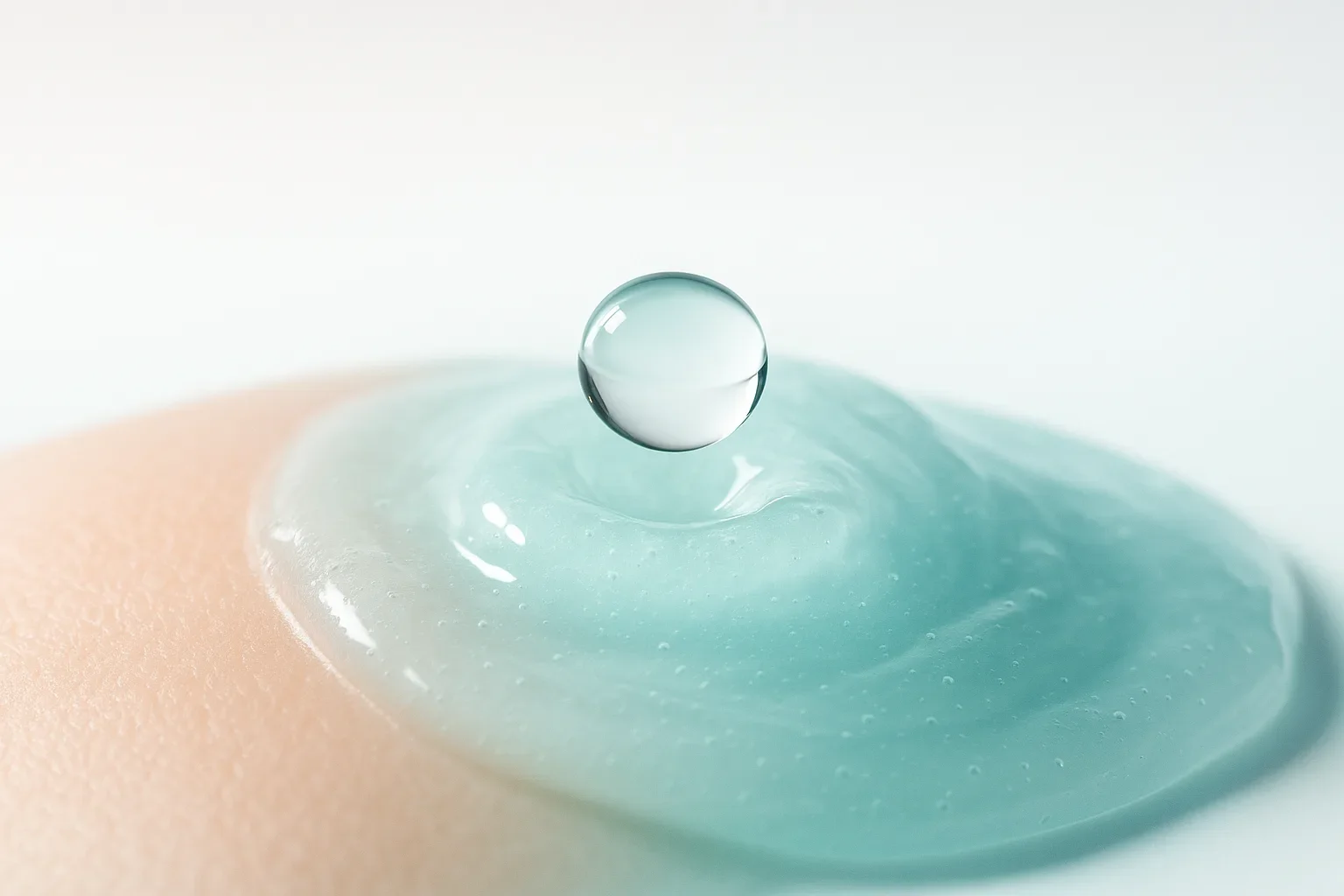
Right after a treatment, redness and heat can make you feel on edge, but once those subside a few days later, another kind of discomfort can appear. That's 'inner tightness.' Your skin may look fine on the outside, but it feels tight after washing your face, fine white flakes appear, and even your usual cream seems to just sit on the surface instead of absorbing. Many people worry during this stage that they're doing something wrong with their care, but this is actually a common stage skin often goes through during recovery.
Why does the skin stay dry underneath even after redness fades?
Right after the irritation from a treatment passes, the skin spends its energy calming the surface inflammatory response. In the next stage, the stratum corneum's moisture retention function and sebum production may still not have returned to their normal rhythm. Even if the skin looks calm on the outside, it can take more time for the moisture and lipid composition within the stratum corneum to fully return to pre-damage levels.
During this period, if you only apply heavy, oil-focused creams, the surface may look smooth but the underlying tightness often remains. This is a stage that needs care that delivers moisture and hydrating ingredients deep into the stratum corneum and helps that moisture stay in place longer.
The recovery timeline stage by stage — where is your skin right now?
The first 1-3 days right after a treatment are centered around redness, heat, and stinging. During this time, the priority is minimizing irritation and focusing on soothing the skin.
From around day 4 to about a week, the redness gradually subsides and is replaced by inner tightness and fine flaking. The moment you think, 'The irritation has calmed down, so why does it feel tight?' is exactly the signal to switch to at-home care for underlying dryness.
After 1–2 weeks, as you continue consistent moisturizing care, the skin moves into a phase where flaking gently smooths out and skin texture settles. However, individual differences may occur throughout this process, so if symptoms last unusually long or discomfort is severe, it's recommended to check with the clinic where you had the procedure.
Step-by-step home care, try this
Step 1, cleanse briefly with lukewarm water. Hot water or prolonged rubbing during cleansing can further irritate an already weakened stratum corneum.
Step 2, pat toner in gently for absorption. Rather than layering it repeatedly, absorbing it fully in one go helps reduce tightness.
Step 3, focus on a hydrating cream for areas that feel tight inside, and for areas with flaking, pat gently for absorption instead of rubbing. At this stage, how deeply the moisturizing ingredients are delivered and how long they last make a noticeable difference.
Step 4, keep up sun protection consistently even during the inner dryness period. Added external irritation can slow down recovery.
If you want to incorporate products into your recovery-phase home care
For home care during this period, what matters most isn't 'how thickly you apply it' but 'whether the needed ingredients are delivered deep into the skin and maintained for a long time.' That's why it helps to think of it as a 2-STEP concept after the procedure. During the initial 1–3 days when redness and heat sensation are the main concerns, use a cream focused on soothing and barrier care, and from day 4 onward, when inner tightness and flaking appear, switch to a cream focused on deep hydration and condition care.
Recovery after a procedure is shaped by home care
The Ultra Cera-Rich Cream (clinical name Ultra Cera-Bijou) is designed for the initial soothing stage, while the Hydro Re-Boosting Cream (clinical name Hydro Renew-Bijou) is designed for the inner tightness stage that follows once redness subsides. Both products are made by S2ND and are a 2-STEP recovery solution based on the clinical experience of Abijou Clinic, available in 50ml at 59,000 KRW on the official online store. See more → Abijou Cream
자극 후 건조함 케어에 도움. 개인차가 있을 수 있습니다.
출처 P&K 피부임상연구센타 시험성적서 (PNK-26223-RI1R)
손상 전 수준으로 회복되는 데 도움. 개인차가 있을 수 있습니다.
출처 P&K 피부임상연구센타 시험성적서 (PNK-26223-RI1R)
사용 24시간 후에도 보습 수치 유지에 도움. 개인차가 있을 수 있습니다.
출처 P&K 피부임상연구센타 시험성적서 (PNK-26223-RI1R)
피부 각질층 속 수분 케어에 도움. 개인차가 있을 수 있습니다.
출처 P&K 피부임상연구센타 시험성적서 (PNK-26223-RI1R)
FAQ
- There's no redness, but I keep feeling tightness and flaking. Should I keep using soothing products?
- Even after redness and heat have subsided, your skin may still be recovering underneath. During this period, it can help to shift your home care from soothing-focused to deep moisture and conditioning care.
- How often should I apply cream during the deep dryness stage?
- The method of absorption matters more than frequency. We recommend gently patting and layering the product so it soaks in fully at areas that feel tight underneath. You can lightly reapply whenever you feel tightness throughout the day.
- If flaking occurs, is it okay to exfoliate?
- During the recovery period, the stratum corneum itself may still be unstable, so it's best to avoid additional stimulation like scrubs or peels. We recommend letting moisturizing naturally smooth things out instead.
- How long should deep dryness last before I should check back with the clinic?
- It typically improves gradually over about 1-2 weeks, though this can vary by individual. If tightness or flaking persists for a long time or is accompanied by pain, it's safer to check with the clinic where you had the treatment.
Related products
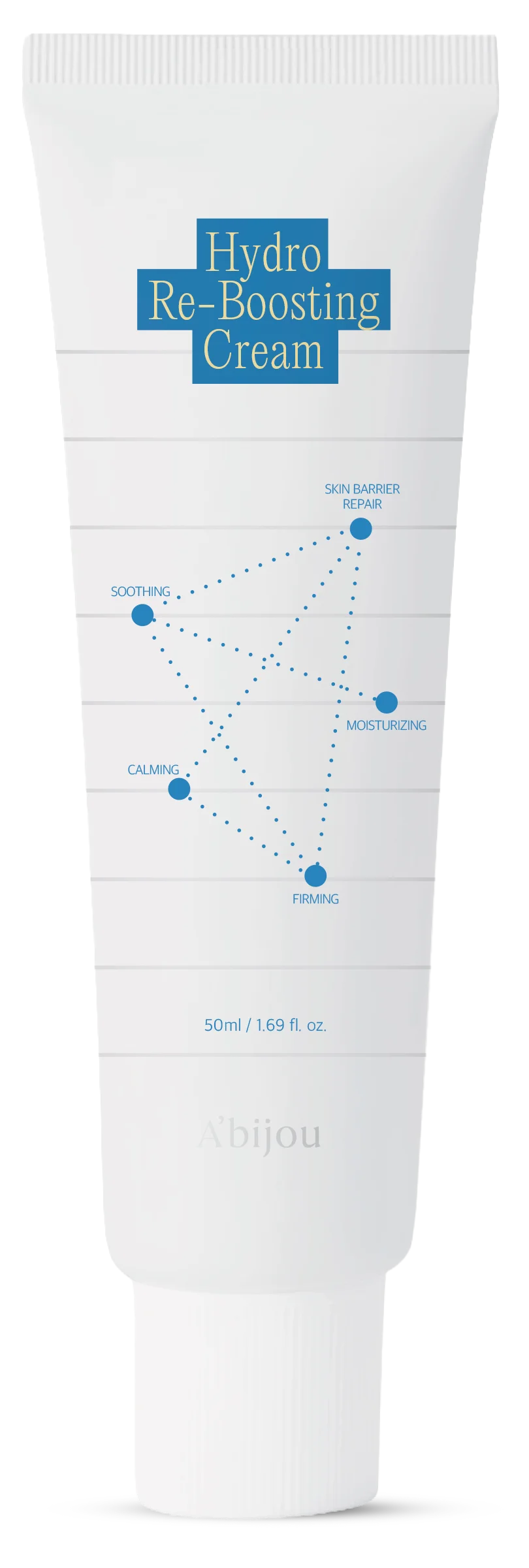 하이드로 리-부스팅 크림Buy
STEP 2 · 회복기 속보습
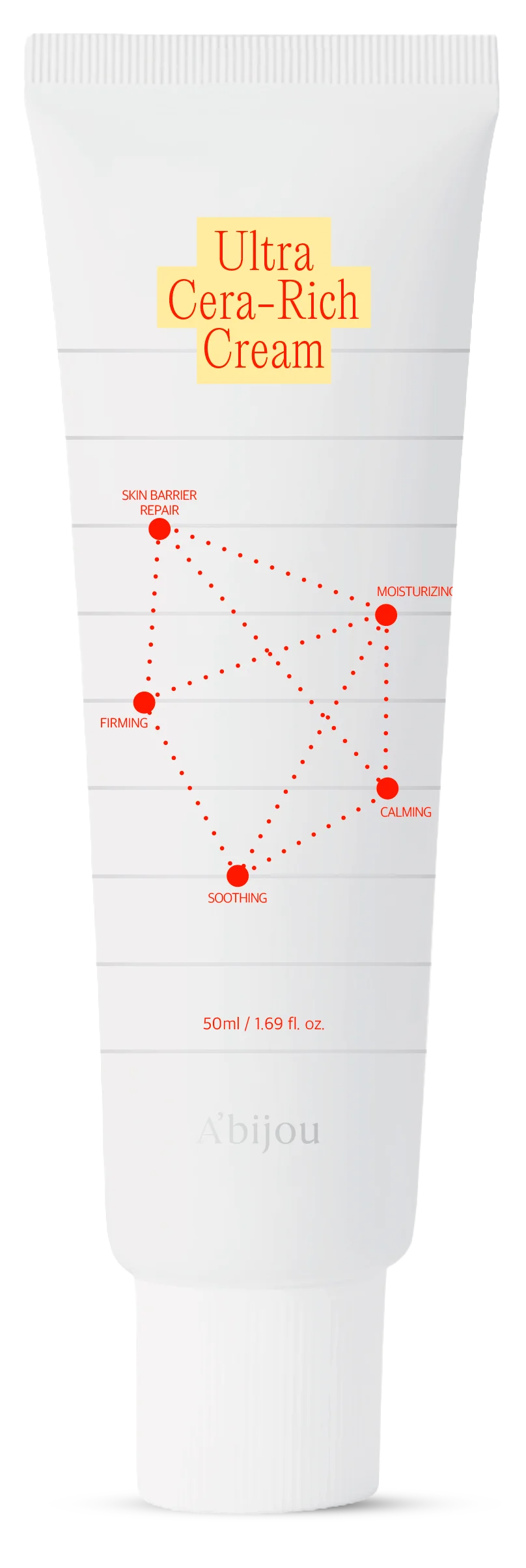 울트라 세라-리치 크림Buy
STEP 1 · 시술 직후 진정·장벽 케어