
Facial Sagging Home Care Methods: Start with the Right Knowledge
Facial sagging results from a combination of decreased skin elasticity and changes in subcutaneous support tissue. Rather than expecting dramatic results from home care alone, a more realistic approach is to manage skin condition through consistent moisturizing, elasticity care, and lifestyle management. If you're considering a lifting procedure, managing your skin condition before and after the treatment can also help maintain results.
If every time you look in the mirror you notice your jawline blurring and your cheeks sagging downward, this may be more than just looking tired. Facial sagging is a natural aging phenomenon that occurs not only from decreased elasticity in the skin itself, but also from complex changes in subcutaneous fat, fascia, and muscle.
This article covers why facial sagging occurs, during which periods it becomes more noticeable, and step-by-step home care methods you can practice at home. We'd like to note upfront that home care is a supportive approach that helps manage skin condition and slow the pace of change, rather than reversing sagging.
Why Does Facial Sagging Occur?
The main causes of facial sagging include a decrease in elastic fibers such as collagen and elastin, positional changes in the subcutaneous fat layer, and loosening of the fascia and ligaments that support the skin. When combined with UV exposure, dry skin conditions, and repetitive facial expression habits, sagging can become noticeable more quickly.
Especially when the skin is dry and repeatedly feels tight, it becomes an environment where it's difficult for the skin to maintain elasticity. Skin with a weakened barrier reacts easily to external stimuli, so it makes sense to check the skin's barrier and hydration status before starting elasticity care.
Signs of Sagging That Change by Age
In the late 20s to early 30s, subtle elasticity loss begins first in areas with a lot of expression, such as the eyes and mouth. Rather than noticeable sagging, changes like rougher texture and easily dry-looking skin tend to appear first.
In the mid-30s to 40s, sagging in the direction of gravity in the cheeks and jawline begins to be gradually noticeable. During this period, the skin's water-holding capacity decreases, which can make elasticity loss feel faster, so it's good to pay attention to both hydration and elasticity care together.
After the 40s, sagging can become more pronounced as subcutaneous fat redistribution and fascia loosening are added. From this stage, many people also consider professional treatment consultations alongside home care.
Step-by-Step Home Care Methods
Step 1, Checking Cleansing Habits: Overly hot water or a strong cleanser can weaken the skin barrier and accelerate elasticity loss. Organizing your cleansing routine with lukewarm water and a mild cleanser is the basic foundation.
Step 2, Combining Hydration and Barrier Care: The skin needs to maintain sufficient moisture for elastic fibers to function properly. Consistently using products containing moisturizing and barrier ingredients like ceramides and panthenol morning and evening can help.
Step 3, Using Elasticity Care Ingredients: Try building a routine of consistently using elasticity care ingredients like adenosine or ingredients that help with skin texture and tone, such as niacinamide.
Step 4, UV Protection and Lifestyle Management: UV rays are a representative external factor that damages elastic fibers. Applying sunscreen even on cloudy days, along with getting enough sleep and water intake to support skin condition, is important in the long term.
Consistency is key in home care. Rather than expecting changes after a day or two of care, you need the patience to watch for changes in skin condition over weeks to months.
If You're Considering a Procedure, Aftercare Determines the Results
Many people, feeling limited by home care alone, consider lifting procedures like Ultherapy, Thermage, or Shurink, or skin booster treatments like Rejuran and Juvelook. However, regardless of which procedure is chosen, managing skin condition after the procedure is considered an important variable in maintaining results.
Right after a procedure, redness and sensitivity may accompany it, and during the subsequent recovery period, inner dryness often follows. How you handle home care during this period can affect how quickly the skin stabilizes, so it's recommended to plan your aftercare even before the procedure.
Post-Procedure Recovery Is Determined by Home Care
Right after lifting or thermal energy treatments, focus on soothing redness and caring for the skin barrier with Ultra Cera-Rich Cream. After the redness subsides and you start feeling inner tightness (roughly from day 4 onward), a 2-STEP routine that continues with Hydro Re-Boosting Cream for deep hydration and texture care can be helpful. If you're looking for home care after skin booster treatments, starting with Hydro Re-Boosting Cream is also an option. Learn more → ABIZU Cream
FAQ
- Can facial sagging be improved with home care alone?
- Home care can help create a favorable environment for skin's elastic fibers to function well, namely a well-moisturized state with a healthy barrier. However, there are limits to reversing sagging that has already progressed, so if it's noticeable, consulting a specialist alongside home care is recommended.
- At what age should I start facial sagging home care?
- There's no fixed age, but since changes in skin texture often begin in the late twenties, it's recommended to establish a moisturizing and elasticity care routine in advance starting around this time.
- Is home care necessary even after a lifting procedure?
- Yes, appropriate home care is important both during the period right after the procedure when redness and sensitivity subside, and during the recovery period afterward when a tightening sensation may appear. Using different products for each phase can also be an option.
- What ingredients should I check for elasticity care?
- Adenosine, niacinamide, and ceramides are known as ingredients that can help with elasticity and skin texture care. It's recommended to check the concentration and formulation in the ingredient list as well.
- Do cleansing or massage habits affect sagging?
- Overly harsh or irritating cleansing and massage habits can actually weaken the skin barrier. Maintaining a gentle and consistent routine is more helpful for managing skin condition.
Related products
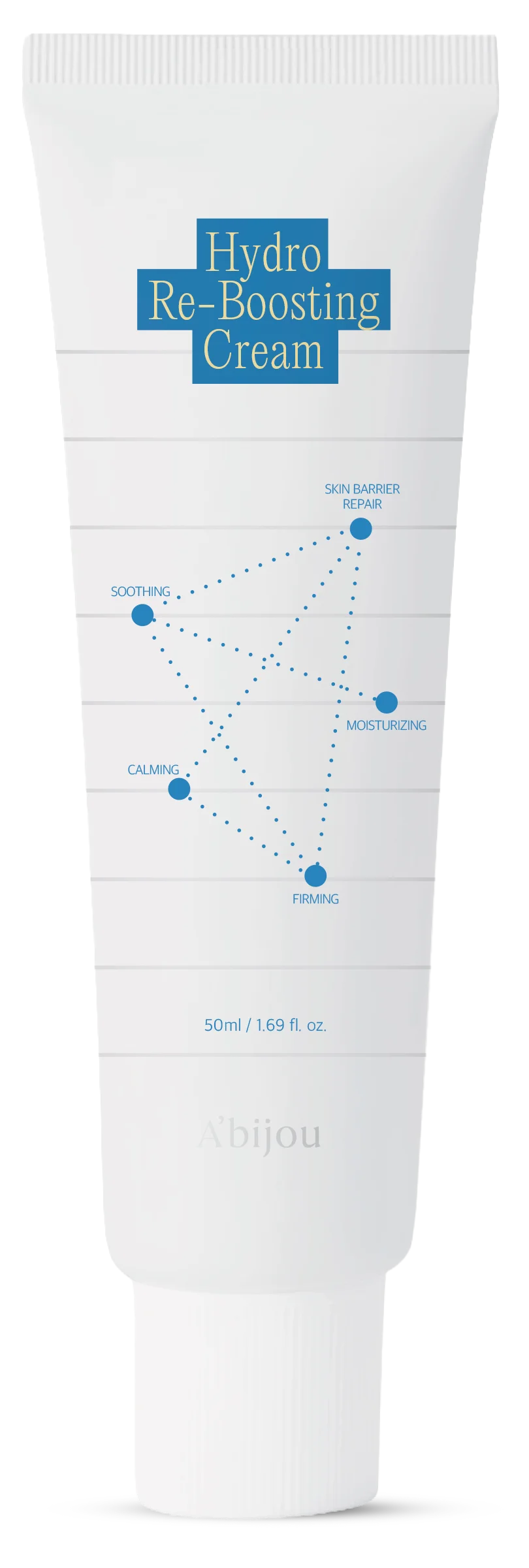 하이드로 리-부스팅 크림Buy
STEP 2 · 회복기 속보습
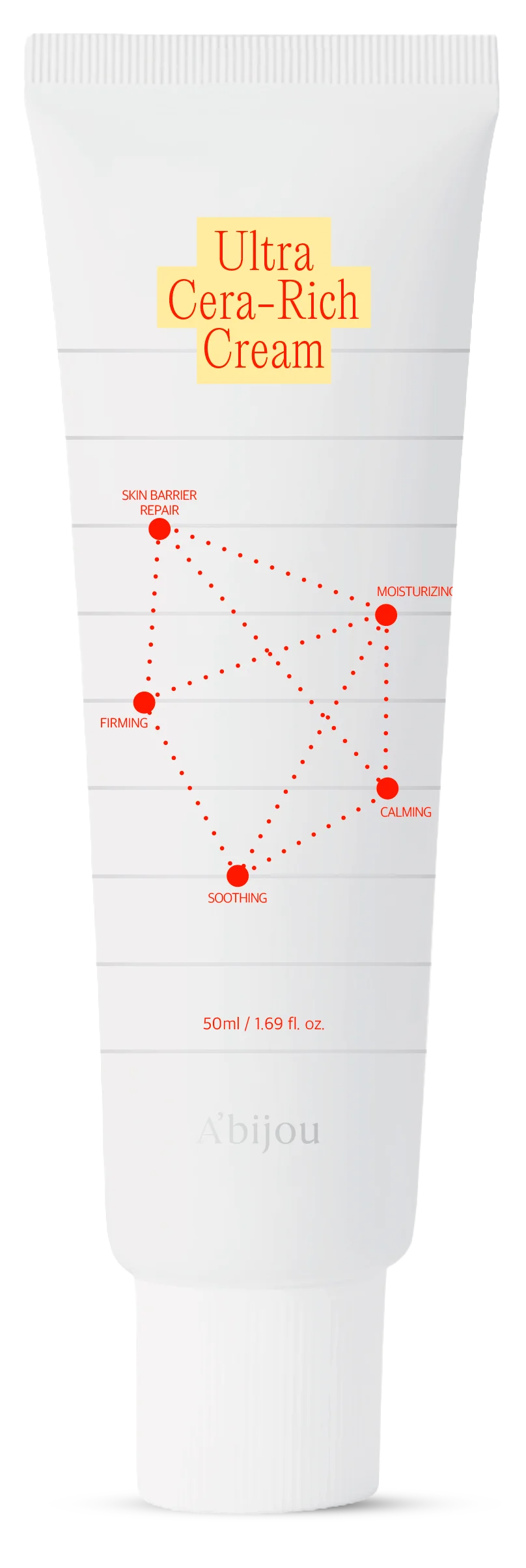 울트라 세라-리치 크림Buy
STEP 1 · 시술 직후 진정·장벽 케어