
How to Calm Redness After Thermage: A Stage-by-Stage Home Care Guide
The redness and warmth that appear right after Thermage are a natural reaction that occurs as radiofrequency energy delivers heat to the deeper layers of the skin, and they tend to subside within a short period in most cases. Still, following a stage-appropriate home care routine focused on soothing and hydration can help the skin settle more comfortably. If redness persists for a long time or a burning sensation is severe, it's best to contact the clinic where you had the procedure.
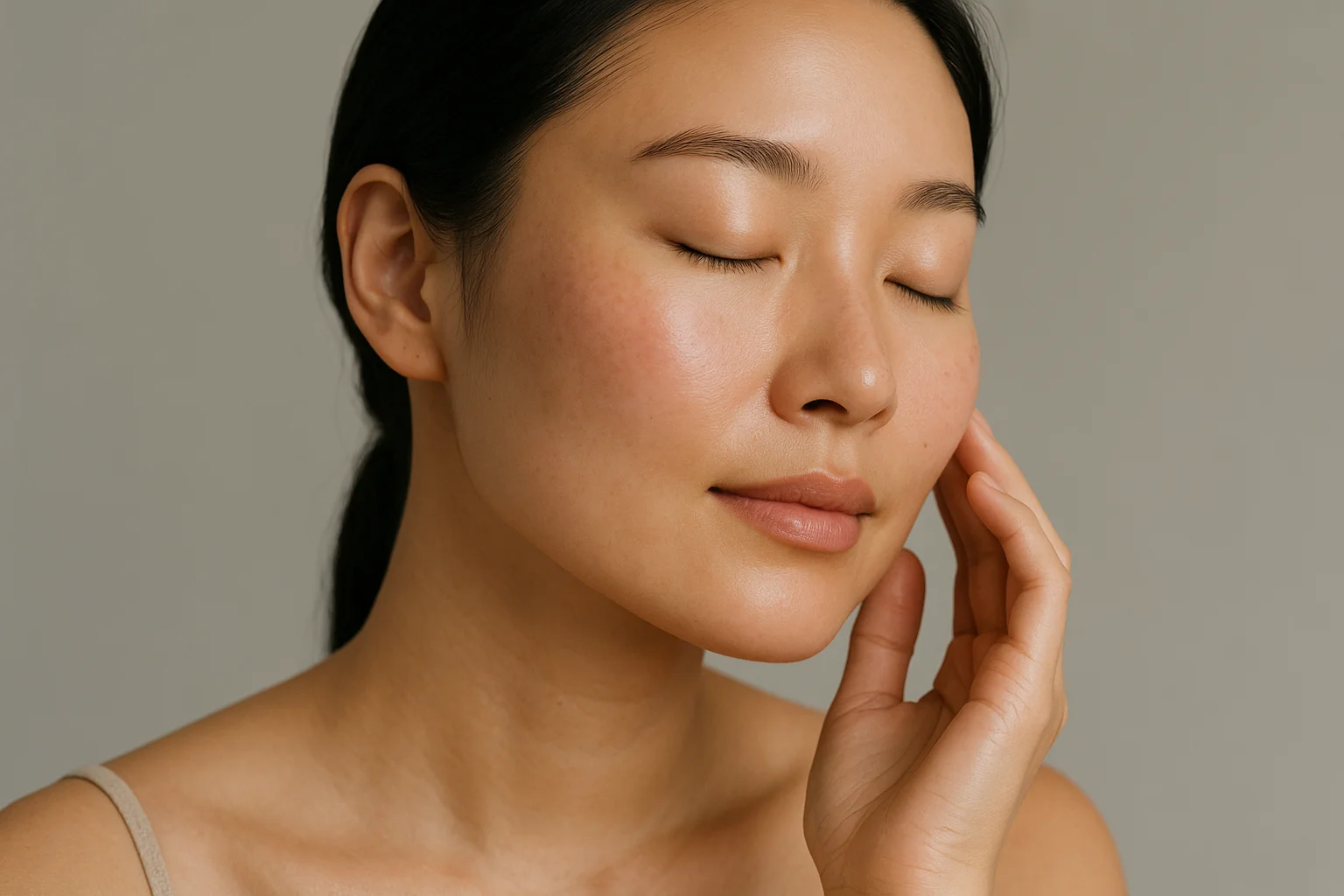
After getting Thermage, it's common for the treated area to feel flushed or warm to the touch. If this is your first time experiencing it, you might worry and wonder, 'Is this normal?' — but this is actually one of the common reactions that occur as radiofrequency heat energy is delivered down to the dermal layer of the skin.
In this article, we've put together an easy-to-follow overview of why redness occurs after Thermage, how it changes over time, and what home care steps can help at each stage.
Why Does Redness Occur After Thermage?
Thermage is a lifting procedure that delivers radiofrequency (RF) energy deep into the skin to stimulate collagen remodeling. During this process, heat is applied to the skin's surface and dermal layer, which temporarily causes blood vessels to dilate — and this can bring on redness, warmth, and a burning sensation.
This is a natural skin response given how the procedure works, and it tends to subside gradually over time in most cases. However, since the skin barrier is temporarily more sensitive during this period, how you care for your skin at this stage can affect how quickly and how well it settles down.
Timeline by Stage: How Many Days Does It Last?
This can vary depending on individual skin condition and the intensity of the procedure, but in general, redness and warmth tend to gradually fade within a few days of the treatment.
Right after the procedure to day 1: This is when redness and warmth tend to be most pronounced. The skin may feel warm or slightly burning to the touch, and it's important to minimize irritation and focus on soothing care during this period.
Days 2–3: Redness gradually begins to fade during this period. Alongside soothing care, adding light hydration can help support the skin as it settles.
Day 4 onward: By this point, redness has typically decreased noticeably and the skin tone tends to look calmer. This is a good time to pay a bit more attention to deep hydration and overall skin condition care, as long as it doesn't cause irritation.
If redness persists for more than a week or is accompanied by pain or swelling, it's best to check with the clinic where you had the procedure rather than making assumptions on your own.
A Stage-by-Stage Home Care Guide
STEP 1. Right after the procedure to day 3 – Soothing comes first. During this period, it's best to avoid irritating ingredients (high-concentration acids, scrubs, alcohol-containing products) and focus solely on gentle cleansing and soothing care. Also hold off for a while on activities that add warmth, like hot water cleansing, saunas, or intense exercise.
STEP 2. Recovery from day 4 onward – Once redness starts to subside, it's a good idea to gradually shift your care toward hydration and overall skin condition. Since it can take time for the skin barrier to fully stabilize, the key is to consistently replenish moisture using gentle, non-irritating formulas.
In most cases, cleansing and makeup can resume once redness and warmth have visibly subsided, but for the exact timing, it's safest to follow the guidance of the clinic where you had the procedure. Be diligent about sun protection throughout this entire period as well.
Home Care Makes a Difference in Post-Procedure Recovery
For skin that's sensitive right after a procedure, the order and ingredients you use to care for it can often make a real difference in how well it recovers. That's why, after a heat-based treatment like Thermage, it may be worth considering a two-step routine: starting with the Ultra Cera-Rich Cream (STEP 1), designed for soothing and barrier care during the first 1–3 days after the procedure, and then moving on to the Hydro Re-Boosting Cream (STEP 2), which focuses on deep hydration and overall skin condition care during the recovery period (from day 4 onward). The Ultra Cera-Rich Cream is formulated with a complex of 5 types of ceramides similar to the skin's own lipids, along with soothing ingredients like panthenol and allantoin, to help irritated skin find its way back to balance.
손상 전 수준으로 회복되는 데 도움을 줄 수 있음 (개인차가 있을 수 있습니다)
출처 P&K 피부임상연구센타 인체적용시험
손상 전 수준으로 회복되는 데 도움을 줄 수 있음 (개인차가 있을 수 있습니다)
출처 P&K 피부임상연구센타 인체적용시험
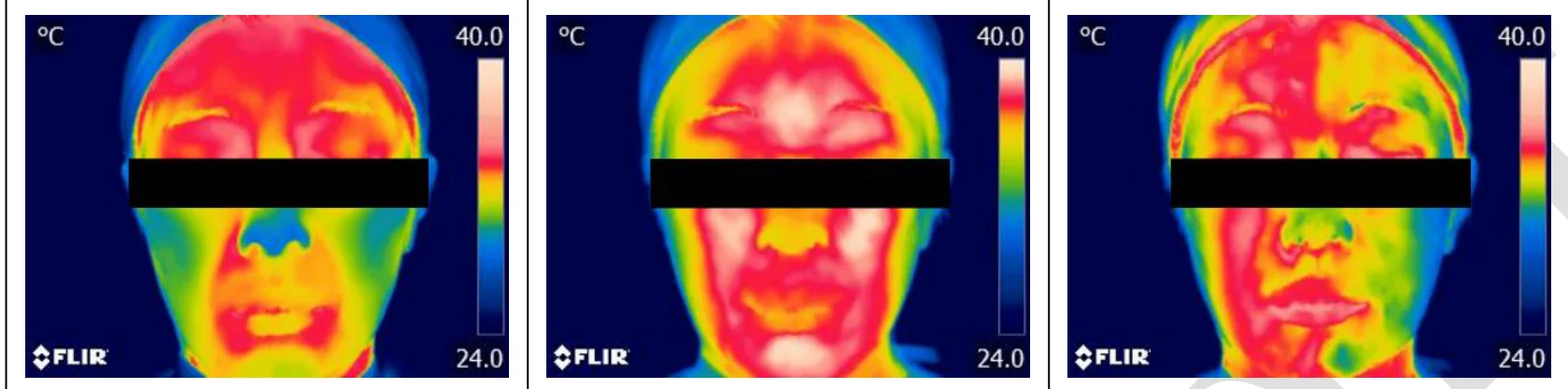
열 자극 붉은기 진정 (온도 기준)개선율 91.3%
울트라 세라-리치(임상명 세라-비쥬)의 적외선(열) 자극 전·후·사용 직후 시기별 열화상.
※ P&K 피부임상연구센타 인체적용시험 · P&K, 성인여성 21명, 적외선(열) 자극, 무도포 대비 시험제품, 1회 사용 직후 · 개인차가 있을 수 있습니다. (보고서 PNK-26224-RI2R)
FAQ
- How many days does redness last after Thermage?
- It varies by individual, but redness tends to be most noticeable on the day of the procedure through day 1, then gradually fades over the following days. By day 4 or later, most people see a noticeable improvement. If it persists or worsens for more than a week, it's a good idea to consult your clinic.
- How should I manage the warmth or burning sensation after Thermage?
- Right after the procedure, it can help to briefly avoid activities that raise body temperature, such as washing with hot water, saunas, or intense exercise, and instead focus on soothing care with gentle, non-irritating formulas. Also avoid rubbing or applying pressure to the treated area with your hands.
- When can I wash my face or apply makeup after Thermage?
- In general, this is possible once redness and warmth have sufficiently subsided, but the exact timing can vary depending on your skin condition and the intensity of the procedure, so it's most accurate to follow the guidance of the clinic where you had the treatment.
- What home care is good for soothing skin after Thermage?
- The basics are avoiding irritating ingredients, cleansing gently, and caring for the skin with soothing and hydrating products. Right after the procedure, it can help to focus on soothing and barrier care, and once redness starts to subside, gradually shift toward deep hydration care in a step-by-step approach.
Medically reviewed by 아비쥬의원 의료진. (September 10, 2026)
Related procedures
- 써마지