
How to Manage Swelling After a Procedure: How Many Days Until It Goes Down?
Swelling after lifting or laser procedures is a natural process that occurs as the skin reacts to stimulation, and it usually subsides gradually within a few days. During the initial 1–3 days, it's important to minimize irritation and focus on soothing and moisturizing home care, and how you manage this period can affect your skin's condition afterward. It's recommended to avoid excessive massage or irritating products, and to start with gentle, soothing care.
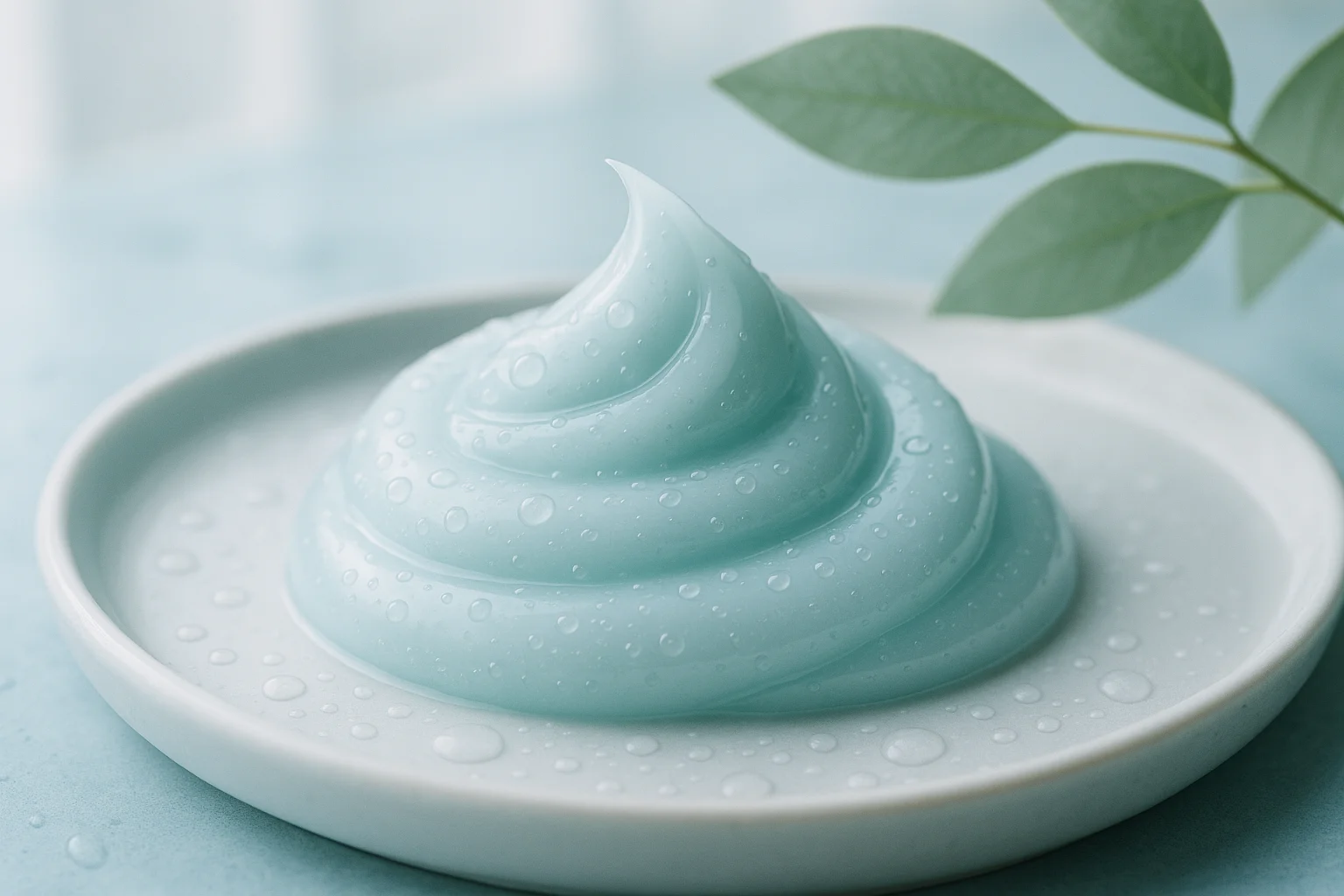
After a procedure, there are moments when your face feels swollen and tight, making you wonder, "Is this normal?" Swelling after lifting or laser procedures is a natural phenomenon that occurs as skin tissue responds to heat or stimulation.
In this article, we'll walk you through why swelling occurs, how it progresses over time, and step-by-step home care you can do at home. There's no need to worry—let's go through it together, step by step.
Why does swelling occur after a procedure?
Lifting procedures work by delivering thermal energy or fine stimulation to deeper layers of the skin. During this process, skin tissue temporarily reacts, which can be accompanied by swelling, redness, and a mild sensation of warmth.
This is a normal process of the skin responding to the stimulation from the procedure, not a sign that something has gone wrong. However, since the skin barrier is more sensitive than usual during this period, irritating cosmetics or excessive massage can actually delay recovery.
How swelling progresses over time
Right after the procedure through Day 1: This is when swelling and redness are most pronounced. The priority during this time is to keep the skin as undisturbed and comfortable as possible, without unnecessary stimulation.
Day 2–3: Swelling gradually decreases as the skin enters a soothing phase. Since the skin is still sensitive during this period, it's best to continue gentle, soothing care.
Day 4 onward: Swelling has noticeably subsided for most people, and skin tone begins to stabilize. From this point, you can shift your focus from soothing swelling to deep hydration and overall conditioning.
That said, this timeline can vary depending on the type of procedure and individual skin condition, so please follow your practitioner's guidance first and foremost.
Step-by-step home care to try
Step 1 (Right after the procedure through Days 1–3): During this period, the key is to reduce irritation and focus on soothing the skin. Keep cleansing to a minimum, use lukewarm water, and avoid sun exposure. We recommend gently caring for the skin with low-irritation products containing soothing ingredients like panthenol, allantoin, and beta-glucan.
Step 2 (Recovery period from Day 4 onward): Once swelling and redness begin to stabilize, it's time to shift toward deep hydration and barrier care. Using products with ingredients similar to the skin's own lipids, such as ceramides, can help replenish moisture and support overall skin condition.
Briefly applying a cold, damp gauze or cooling mask can also help, but avoid applying ice directly or massaging firmly. During this sensitive period, the principle is minimal touch.
Why product choice matters in the early recovery period
How quickly swelling and redness subside after a procedure actually starts to be determined by the care you give from that very evening. During this period, the skin is thinner and more sensitive than usual, so the products you apply can affect your skin's condition over the following days.
That's why, during the 1–3 days right after a procedure, it's important to choose products that are low in irritation while focusing on soothing and barrier care. In the next section, we'll introduce more specific care methods tailored to this period.
Home care makes the difference in post-procedure recovery
During the sensitive period of Days 1–3 right after a procedure, when swelling and redness remain, you might consider soothing the skin with a product like Ultra Cera-Rich Cream, which combines a 5-ceramide complex with panthenol and allantoin. In an actual human application test, it was confirmed to help redness and barrier condition caused by physical stimulation recover to pre-damage levels (individual results may vary). It can be used as a STEP 1 care after lifting or laser procedures, and from Day 4 of the recovery period, we recommend continuing with Hydro Re-Boosting Cream for deep hydration.
손상 전 수준으로 회복되는 데 도움, 개인차가 있을 수 있습니다
출처 P&K 피부임상연구센타 인체적용시험
손상 전 수준으로 회복되는 데 도움, 개인차가 있을 수 있습니다
출처 P&K 피부임상연구센타 인체적용시험
손상 전 수준으로 회복되는 데 도움, 개인차가 있을 수 있습니다
출처 P&K 피부임상연구센타 인체적용시험
FAQ
- How long does swelling usually last after a procedure?
- It varies by individual and procedure type, but swelling is generally most pronounced right after the procedure through Day 1, and tends to gradually subside from Day 2–3 onward. Most people see noticeable stabilization by Day 4 or later, but consulting with your practitioner is the most accurate way to know your specific progress.
- How can I reduce swelling quickly after a lifting procedure?
- Rather than excessive massage or strong stimulation, the priority is to let the skin rest comfortably and provide gentle, soothing care. Washing with lukewarm water, sun protection, and using gentle products containing panthenol and allantoin can help.
- Is it okay to massage the area if swelling is severe?
- Strong massage on sensitive skin right after a procedure can actually cause more irritation. During this period, it's better to gently pat products in for absorption rather than rubbing firmly with your hands.
- What kind of care should I do after the swelling has gone down?
- After Day 4, once swelling and redness have stabilized, it's good to shift your care focus toward deep hydration and barrier conditioning. Using products containing ingredients similar to the skin's own lipids, such as ceramides, can help replenish moisture.
- Is it normal for redness to appear along with swelling?
- Yes, it's common for swelling and redness to appear together as a natural skin response to the stimulation from the procedure. However, if symptoms persist for a long time or are severe, we recommend contacting the clinic where you had the procedure.
Medically reviewed by 아비쥬의원 의료진. (September 10, 2026)