
Mask-Irritated Skin: How to Soothe Friction Redness
Wearing a mask for long hours causes repeated friction on areas like the nose, cheeks, and jawline, which can easily lead to redness and sensitivity. In most cases, this is simply a natural response to a temporarily weakened skin barrier, and reducing irritating factors while caring for the barrier can help skin settle within a few days. The key is a step-by-step home care routine centered on mild, soothing ingredients.
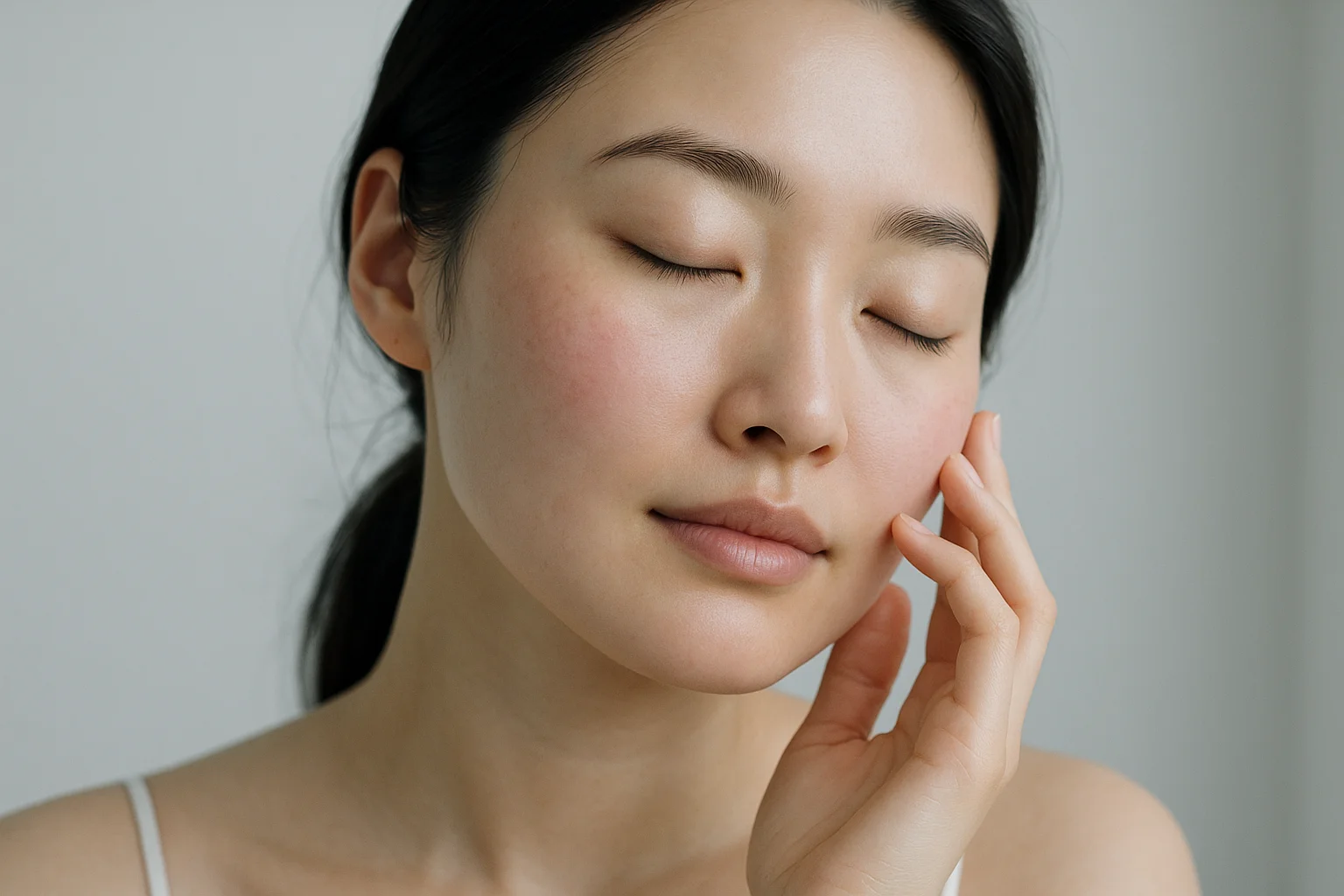
Most of us have had the experience of taking off our mask after a long day and being surprised by how red our face looks in the mirror. Areas where the mask strap touches near the ears, or where the nose and cheeks make contact with the fabric, are especially prone to sensitivity due to repeated physical friction.
This redness is mostly a physical irritation response caused by the mask fabric continuously rubbing against the skin's surface, so there's no need to be alarmed. However, if left unaddressed, the weakened skin barrier can persist for a while, so it's important to prioritize soothing and moisturizing care early on.
Why Does Skin Turn So Red Under a Mask?
While wearing a mask, not only friction but also trapped heat, humidity, and temperature changes from breathing all combine to make the skin's surface more sensitive than usual. When the skin barrier weakens temporarily, moisture isn't held as well, and redness can appear easily even with minor irritation.
On top of this, frequent friction inside the mask keeps the skin's surface under continuous stress, which results in noticeable stinging, tightness, or redness. In other words, friction-induced redness is essentially the skin's way of signaling, 'My barrier is weakened right now, please take care of me.'
How Redness Progresses Over Time
On days when you've worn a mask for a long time, the cheeks and area around the nose often look flushed and feel warm right after taking it off. At this point, the skin has just been exposed to friction and heat, making it especially sensitive to irritation.
For a day or two, you may still notice tightness or a warm sensation after cleansing. During this period, avoiding irritating ingredients and focusing on soothing care often helps the redness gradually subside.
Generally, if you consistently focus on soothing and moisturizing care for about 3 to 4 days, you'll notice the redness and sensitivity becoming noticeably more comfortable. That said, individual differences exist, so it's best to pace your care according to your skin's condition.
Try This Step-by-Step Home Care Routine
Step 1 is to avoid adding further irritation. After removing your mask, cleanse gently with lukewarm water, and hold off on scrubs or strong cleansers until your skin has calmed down.
Step 2 is to focus on soothing and moisturizing at the same time. Applying thin layers of products containing ingredients like panthenol, allantoin, and beta-glucan—known to help ease irritation and support hydration—can make your skin feel noticeably more comfortable.
Step 3 is to replenish the skin barrier. Ingredients like ceramides, which resemble the skin's own lipid composition, can help care for a weakened barrier, so this step is especially worth prioritizing if you experience recurring redness.
Recovery After Procedures Depends on Home Care
A product that combines all three of these steps in one is STEP 1 of the ABJU Cream lineup, the 'Ultra Cera-Rich Cream.' It contains a complex of 5 types of ceramides along with soothing ingredients like panthenol and allantoin, making it easy to apply lightly when you want to address both soothing and barrier care for skin made sensitive by friction. In an actual human application test (clinical name: Cera-Bijou), it was confirmed to help redness and barrier-related indicators recover to pre-damage levels after physical friction stimulation.
마스크 마찰로 인한 붉은기가 손상 전 수준으로 회복되는 데 도움을 줄 수 있음 (개인차가 있을 수 있습니다)
출처 P&K 피부임상연구센타 인체적용시험
마찰로 약해진 피부 장벽이 손상 전 수준으로 회복되는 데 도움을 줄 수 있음 (개인차가 있을 수 있습니다)
출처 P&K 피부임상연구센타 인체적용시험
FAQ
- Will redness from mask friction go away on its own if left untreated?
- Mild friction redness often calms down within a few days if you reduce irritation and focus on soothing care. However, if you need to keep wearing a mask, the friction can recur, so it's a good idea to consistently maintain gentle soothing and moisturizing care.
- My skin keeps breaking out because of the mask—how can I calm it down?
- The first priority is reducing moisture buildup and friction inside the mask. After cleansing, apply a thin layer of gentle, soothing ingredients, and hold off on heavy makeup or harsh exfoliation until your skin settles.
- How should I manage redness caused by mask wear?
- If redness keeps recurring, try minimizing friction and heat exposure while focusing on soothing and moisturizing care. Ingredients like panthenol, allantoin, and beta-glucan can help ease irritation, and pairing them with barrier-care ingredients can make the redness feel noticeably calmer.
- If mask-related redness is severe, should I see a doctor right away?
- Ordinary friction redness usually settles with home care, but if the redness persists for a long time or is accompanied by stinging or significant swelling, it's safer to consult a specialist, as this can vary depending on individual skin conditions.
Medically reviewed by 아비쥬의원 의료진. (September 10, 2026)