
Post-Procedure Care for Bumps and Breakouts
Small bumps or breakouts that appear a few days after a procedure are a common reaction caused by a temporarily weakened skin barrier, and in most cases they settle down naturally within a few days to 1–2 weeks. During this period, it's important to focus on home care that reduces irritation and prioritizes moisturizing and barrier support. If symptoms persist for a long time or worsen, it's recommended to consult the clinic where you had the procedure or a dermatologist.
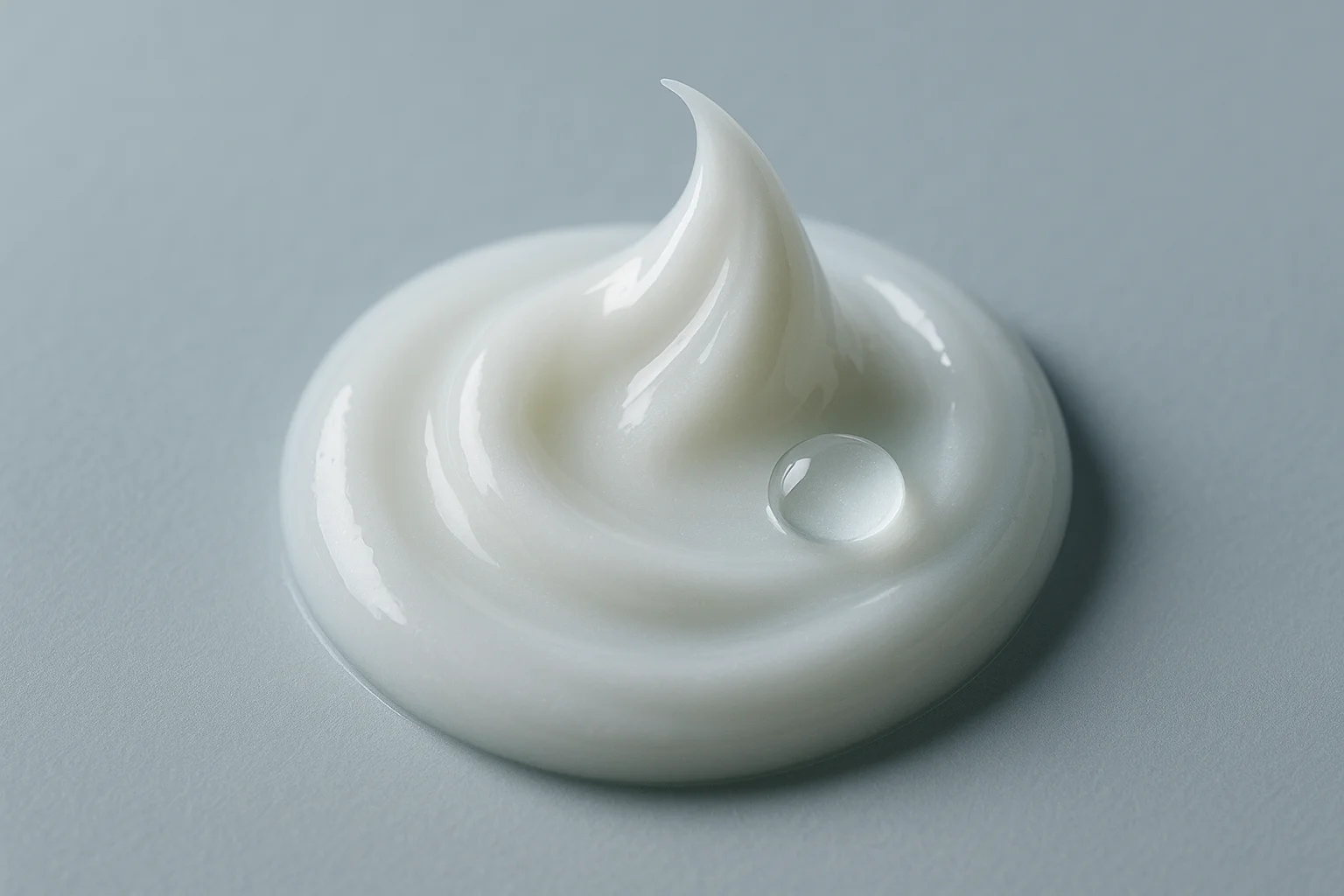
It's natural to feel worried when small bumps or breakouts appear on your face a few days after a lifting or laser procedure. It's understandable to wonder, 'Did something go wrong with the procedure?' However, this reaction often occurs because the skin barrier becomes temporarily weakened after a procedure, so there's no need to be too alarmed.
Why Do Bumps and Breakouts Appear After a Procedure?
Procedures using laser or heat energy stimulate collagen remodeling within the skin, which causes minor stimulation to the skin's surface in the process. This can make the skin barrier more sensitive than usual, temporarily thicken dead skin cells, or disrupt the normal rhythm of sebum release, creating conditions where small bumps or minor breakouts are more likely to occur.
In addition, reconstructive creams or sheet masks used after a procedure may feel heavier than usual on the skin, or pores may become temporarily clogged during the natural process of shedding old dead skin cells, which can look like breakouts. Understanding this as part of the skin's recovery process may help ease some worry.
How the Recovery Progresses Over Time
The first 1–3 days after a procedure are when skin is most sensitive, and redness along with small bumps may be more noticeable. Since skin is especially vulnerable to irritation during this period, it's best to keep care minimal and focus on soothing and barrier support.
From day 4 to about a week after, redness tends to gradually subside along with the bumps in many cases. However, the pace of recovery can vary depending on individual skin condition and the type of procedure.
After 1–2 weeks, skin texture generally stabilizes and breakouts tend to settle naturally in most cases. If new bumps or breakouts appear or persist beyond this period, it's safer to consult the clinic where you had the procedure.
Step-by-Step Home Care Guide
STEP 1 (Days 1–3 after the procedure): During this period, minimize cleansing and use only a gentle cleanser with lukewarm water. Avoid harsh exfoliants or scrubs, and it's best to manage your skin's condition with low-irritant formulas focused on soothing and moisturizing.
STEP 2 (From day 4 onward): As redness and bumps gradually subside during this period, switching to care that replenishes deep hydration can help refine skin texture. Continue to avoid touching or squeezing bumps during this time, as it can still cause irritation.
Regardless of the stage, sun protection should be maintained consistently throughout the entire recovery period after a procedure. Apply a sufficient amount of low-irritant sunscreen to protect your skin.
How Products Can Support Recovery
Frequently Asked Questions
Home Care Makes the Difference in Post-Procedure Recovery
For sensitive skin right after a procedure, a formula that minimizes irritation while supporting redness soothing and barrier care can be helpful. Abiju Cream's Ultra Cera-Rich Cream is designed for the STEP 1 recovery stage (days 1–3 after a procedure), formulated with skin-lipid-like ingredients including 5 types of ceramides to support barrier care for sensitized skin. During periods when breakouts are a concern, it may be worth considering as a way to reduce irritation while helping to refine skin condition.
손상 전 수준으로 회복되는 데 도움 (개인차가 있을 수 있습니다)
출처 P&K 피부임상연구센타 인체적용시험
손상 전 수준으로 회복되는 데 도움 (개인차가 있을 수 있습니다)
출처 P&K 피부임상연구센타 인체적용시험
FAQ
- How long do bumps last after a procedure?
- They often become more noticeable right after the procedure through about the first week, then gradually fade within 1–2 weeks. However, this can vary depending on the type of procedure and individual skin condition, so if it persists beyond 2 weeks or worsens, it's best to consult your clinic.
- What should I do if breakouts appear after a laser procedure?
- The priority is to avoid touching or squeezing the skin and to keep irritation to a minimum. Manage your skin condition with gentle cleansing and low-irritant moisturizing care, and if redness or breakouts become noticeably severe, it's recommended to contact the clinic where you had the procedure rather than trying to manage it yourself.
- Can I keep using cosmetics if I get breakouts after a procedure?
- It's best to avoid products with irritating ingredients and switch to low-irritant formulas that help with soothing and barrier care. Rather than adding new products aggressively, keeping your routine to the minimum necessary steps to stabilize your skin can be more helpful for recovery.
- Will small bumps turn into breakouts?
- Temporary bumps after a procedure often settle down naturally as part of the skin's recovery process, but if left unmanaged or exposed to irritation, they can worsen into breakouts. Maintain low-irritant care, and if the changes seem unusual, consult a dermatologist.
Medically reviewed by 아비쥬의원 의료진. (September 10, 2026)