
Post-Treatment Dryness and Flaking: How to Keep Skin Moisturized
Feeling tightness and flaking for a few days after a procedure is a natural, common part of the skin barrier's recovery process. During this time, it's better to focus on replenishing moisture along your skin's natural texture rather than removing flakes aggressively. Sticking to a gentle, phase-appropriate moisturizing routine is usually enough for the tightness and flaking to settle on their own.
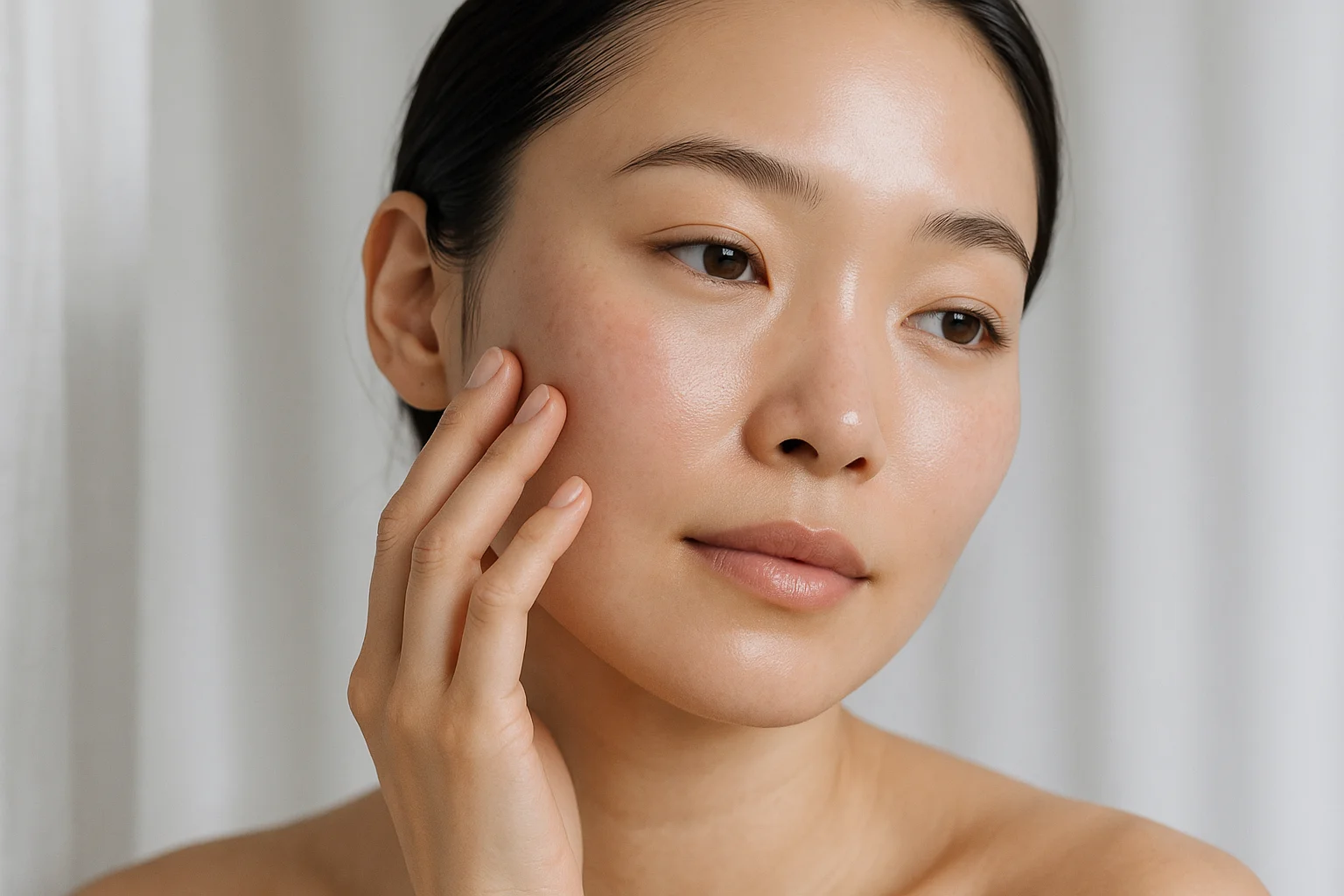
Most people have experienced their face feeling tight the day after a procedure, followed by faint white flaking a few days later. Many worry that something has gone wrong, but in fact, this is a fairly common occurrence as the skin's surface goes through its recovery process.
That said, how you manage this period can determine whether the tightness lingers or eases quickly. Today, let's take a closer look at why post-procedure dryness and flaking occur, how long they typically last, and how to care for your skin at home.
Why Do Tightness and Flaking Occur?
Laser or lifting procedures stimulate the skin's surface and dermis, which temporarily weakens the barrier function responsible for retaining moisture. When the barrier loosens, moisture evaporates more easily, which shows up on the surface as tightness and dryness.
The white flaking follows a similar logic. The skin's natural turnover cycle (the process by which dead skin cells shed) is briefly disrupted by the treatment's stimulation, so old skin cells aren't cleared away on schedule and appear to clump together. While this can look concerning, it's usually just part of the skin's natural process of sorting itself out.
How Recovery Progresses Over Time
In the first 1 to 3 days right after the procedure, redness and sensitivity tend to be most pronounced. During this period, the sense of irritation itself may feel stronger than the tightness.
Between day 4 and about a week later, redness gradually fades, but dryness and flaking start to become more noticeable. This is often when skin feels especially tight after cleansing, or makeup doesn't sit smoothly.
After 1 to 2 weeks, skin texture generally becomes smoother and tightness eases, though the pace of recovery can vary depending on the type of procedure and individual skin condition. Rather than expecting quick improvement, it's important to get through this period comfortably with consistent moisturizing care.
Step-by-Step Home Care Tips
The first thing to remember is not to forcibly rub off flaking skin. Scrubbing with your hands or a towel, or using exfoliating products, can further irritate an already weakened barrier. Let the skin shed flakes on its own, and prioritize replenishing moisture from within instead.
Cleanse briefly with lukewarm water, and take a break from harsh cleansing products for a while. It also helps to apply a moisturizer within 3 minutes of cleansing, locking in hydration before it has a chance to evaporate.
Next comes choosing the right moisturizer. During this period, it's key to choose a product low in fragrance and irritating ingredients, focused on deep hydration. Especially once you enter the recovery phase (day 4 onward), it's a good idea to shift from surface-level moisture to care that also replenishes the skin's inner moisture layer.
Continue with Deep-Moisture Care During Recovery
Once you move past the initial soothing care and into the recovery phase from day 4 onward, it's a natural progression to shift toward a moisturizing step that hydrates the skin more deeply. This is exactly the phase that Aviju Cream's STEP 2, the Hydro Re-Boosting Cream, is designed for.
Formulated with panthenol, niacinamide, and beta-glucan—ingredients known to support moisture and skin texture—it can help replenish hydration and smooth out skin texture that's become sensitive due to tightness and flaking. Use it as part of a routine that flows naturally from STEP 1 (soothing) to STEP 2 (deep moisture) in line with your post-procedure recovery.
Post-Procedure Recovery Comes Down to Home Care
Once the redness and sensitivity from the procedure have passed and you're in the recovery phase dealing with tightness and flaking, consider following up with the Hydro Re-Boosting Cream, formulated to focus on deep moisture and smoothing skin texture. It's designed to flow naturally from STEP 1 soothing care to STEP 2 deep-moisture care.
손상 전 수준으로 회복되는 데 도움 (개인차가 있을 수 있습니다)
출처 P&K 피부임상연구센타 인체적용시험
손상 전 수준으로 회복되는 데 도움 (개인차가 있을 수 있습니다)
출처 P&K 피부임상연구센타 인체적용시험
보습 유지에 도움을 줄 수 있음 (개인차가 있을 수 있습니다)
출처 P&K 피부임상연구센타 인체적용시험
FAQ
- My skin is flaking after a procedure—is it okay to leave it alone?
- Yes, it's best not to forcibly remove the flakes. Peeling them off can further irritate an already weakened skin barrier. If you keep the skin sufficiently moisturized from within, the flaking usually settles on its own.
- Why does my skin feel so tight after a laser procedure?
- This happens because the skin barrier function is temporarily weakened by the treatment's stimulation, causing moisture to evaporate more easily. It's a natural response that occurs during the recovery process, so gentle, non-irritating moisturizing care should help keep your skin comfortable.
- When should I start applying moisturizer after a procedure, and what kind should I use?
- For the first 1 to 3 days, it's best to focus on a low-irritation cream aimed at soothing the skin. From day 4 onward, during the recovery phase, switch to a cream focused on deep moisture. Adjusting your care in stages according to your skin's condition can help support recovery.
- How long does it usually take for skin to recover after a procedure?
- It varies by individual, but tightness and flaking typically become noticeably reduced after about 1 to 2 weeks. During this period, avoiding irritation and moisturizing consistently can help make the recovery process more comfortable.
Medically reviewed by 아비쥬의원 의료진. (September 10, 2026)