
Probiotics: Principle and Effects, How Do They Work on Skin?
Probiotics are ingredients that may help manage the microbial balance both inside the body and on the skin's surface, helping maintain overall condition. They are known to be related not only to gut health but also to skin barrier care. However, when applied in cosmetics, it is more accurate to understand them under the concept of 'skin condition care' and 'barrier care support' rather than to assert definitive efficacy. For skin that has become sensitive after a procedure or due to irritation, home care centered on proven soothing and moisturizing ingredients should take priority over probiotics.
Probiotics: Why Are They Also Drawing Attention for Skin?
Probiotics originally refer to live microorganisms that may help manage the balance of gut microbiota. Recently, as it has become known that the skin also has its own unique microbial ecosystem (the skin microbiome), probiotics have also drawn attention as cosmetic ingredients.
A variety of microorganisms inhabit the surface of the skin and serve as the first line of defense protecting the skin from external stimuli. When this balance is disrupted, skin may feel sensitive or rough in texture, and probiotic-derived or fermented ingredients are introduced as ingredients that may help manage this skin environment.
However, most probiotic-related ingredients used in cosmetics are in the form of lysed bacteria or fermentation filtrates, and it is difficult to assert that live bacteria act directly on the skin to produce immediate efficacy. Since the formulation and purpose differ by product, it is more accurate to understand them as 'ingredients that may help support skin condition care.'
Mechanism: The Relationship Between the Skin Barrier and Microbial Balance
The skin barrier is known to function stably when the lipid structure of the stratum corneum (ceramides, cholesterol, fatty acids, etc.) and the surface microbial balance are maintained together. When the barrier weakens, moisture can easily escape and external irritants can penetrate more easily, creating a vicious cycle where skin becomes dry and sensitive.
Probiotic-derived ingredients are known to help manage this microbial environment, but the core of actual skin barrier care remains the combination of lipid ingredients and moisturizing ingredients. In other words, a practical home care strategy is to approach probiotics as a supplementary care element while keeping the focus of barrier recovery on proven ingredients like ceramides and panthenol.
How skin condition changes appear over time
In the early period (1-3 days) when skin becomes sensitive or the barrier weakens, redness, tightness, and mild irritation can be prominent. During this period, minimizing irritation and prioritizing soothing-focused care comes first.
Once entering the recovery period (from day 4-7 onward), redness and irritation subside, but signs of dryness such as inner tightness or flaking often remain. From this point, it may help to shift care focus from soothing toward deep hydration and skin texture refinement.
This progression applies not only to post-procedure skin but similarly to general skin condition decline where the barrier has been disrupted by seasonal changes, frequent cleansing, or external irritants.
Step-by-step home care: from soothing irritation to deep hydration
Step 1, in the early period when irritation is felt, low-irritation soothing care that is gently patted in for absorption after cleansing, without stimulating the skin, comes first. During this period, a simply formulated cream focused on soothing and barrier care is more suitable than products with complex ingredient lists.
Step 2, after redness and irritation subside, it is good to switch to a highly moisturizing cream so that internal skin moisture does not become deficient. If inner tightness is left unaddressed during this period, flaking may become prominent or skin texture may appear rough.
Step 3, under the concept of managing microbial balance and barrier condition together during normal times, it is good to consistently use products containing lipid and moisturizing ingredients like ceramides and panthenol to maintain skin condition.
Home care determines recovery after procedures
This step-by-step approach applied to actual post-procedure home care is the 2-STEP composition of ZXQMAGAZINETERM1ZXQ cream. The Ultra Cera-Rich Cream is a product focused on soothing and barrier care for the period of redness and heat sensation felt 1-3 days immediately after a procedure, while the Hydro Re-Boosting Cream is designed to help with deep hydration care during the recovery period (from day 4 onward) when inner tightness, flaking, and skin texture refinement are needed. Both products contain a lipid ingredient composition including 5 types of ceramides to support barrier care, and are each priced at 59,000 won for 50ml, available on the official online store (abijoushop.com). See more → ZXQMAGAZINETERM1ZXQ Cream.
물리적 자극으로 붉어진 피부의 붉은기 진정에 도움. 개인차가 있을 수 있습니다.
출처 P&K 피부임상연구센타 시험성적서 (PNK-26224-RI2R)
물리적 자극으로 손상된 장벽이 손상 전 수준으로 회복되는 데 도움. 개인차가 있을 수 있습니다.
출처 P&K 피부임상연구센타 시험성적서 (PNK-26224-RI2R)
화학적 자극으로 붉어진 피부 진정에 도움. 개인차가 있을 수 있습니다.
출처 P&K 피부임상연구센타 시험성적서 (PNK-26223-RI1R)
피부결 정돈에 도움. 개인차가 있을 수 있습니다.
출처 P&K 피부임상연구센타 시험성적서 (PNK-26223-RI1R)
FAQ
- Do probiotic cosmetics contain live bacteria?
- Most probiotic ingredients in cosmetics are not live bacteria but are formulated as fermentation filtrates or lysed (dead) bacterial forms. Since live bacteria are difficult to keep stable within cosmetic formulations, it is more accurate to understand them as supporting ingredients that help with skin condition care.
- Can the skin barrier improve with probiotics alone?
- Probiotics are introduced as supporting ingredients that may help manage the balance of skin microorganisms, but the core of barrier care lies in lipid ingredients such as ceramides, cholesterol, and fatty acids, along with moisturizing ingredients such as panthenol. It is best to consider both together.
- Can probiotic products be used on sensitive skin after a procedure?
- Since irritation responses can vary by ingredient, during sensitive periods it is recommended to first use low-irritation products focused on soothing and barrier care rather than products with complex ingredient compositions, and to add a wider variety of ingredients only after the skin condition has stabilized.
- How long does a decline in skin condition usually last?
- This varies by individual, but redness and irritation tend to be most noticeable during the first 1–3 days of irritation, and signs of dryness such as tightness or flaking often remain from around day 4 to day 7. Shifting care focus from soothing to moisturizing according to this timeline may be helpful.
Related products
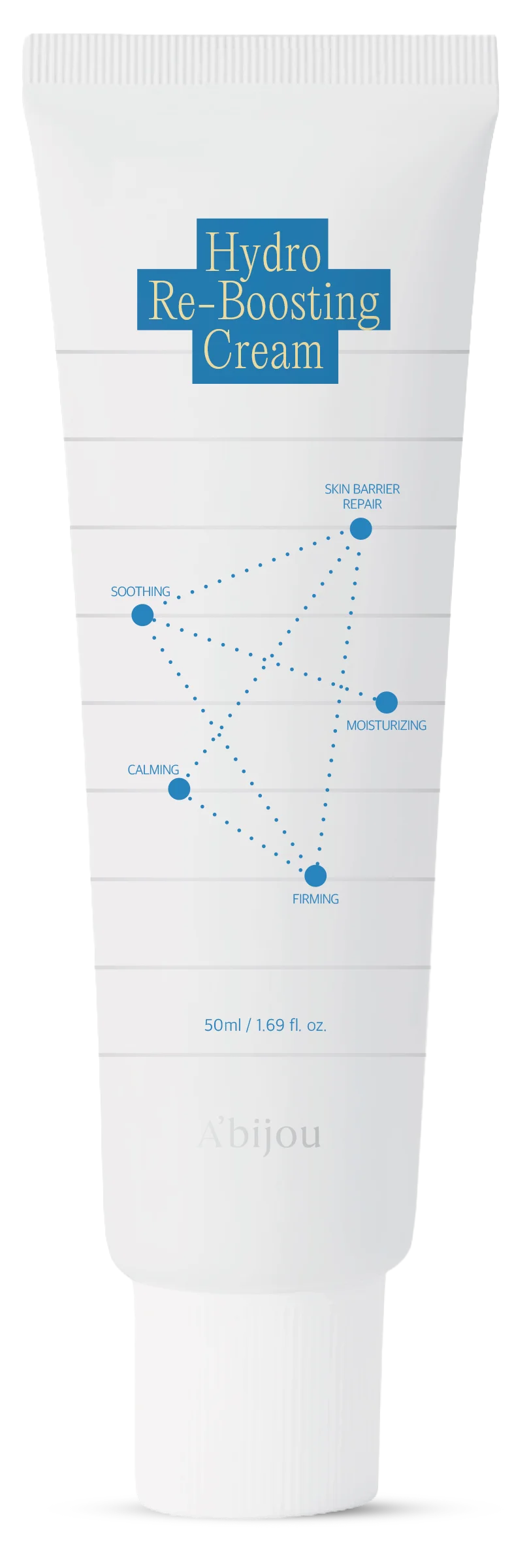 하이드로 리-부스팅 크림Buy
STEP 2 · 회복기 속보습
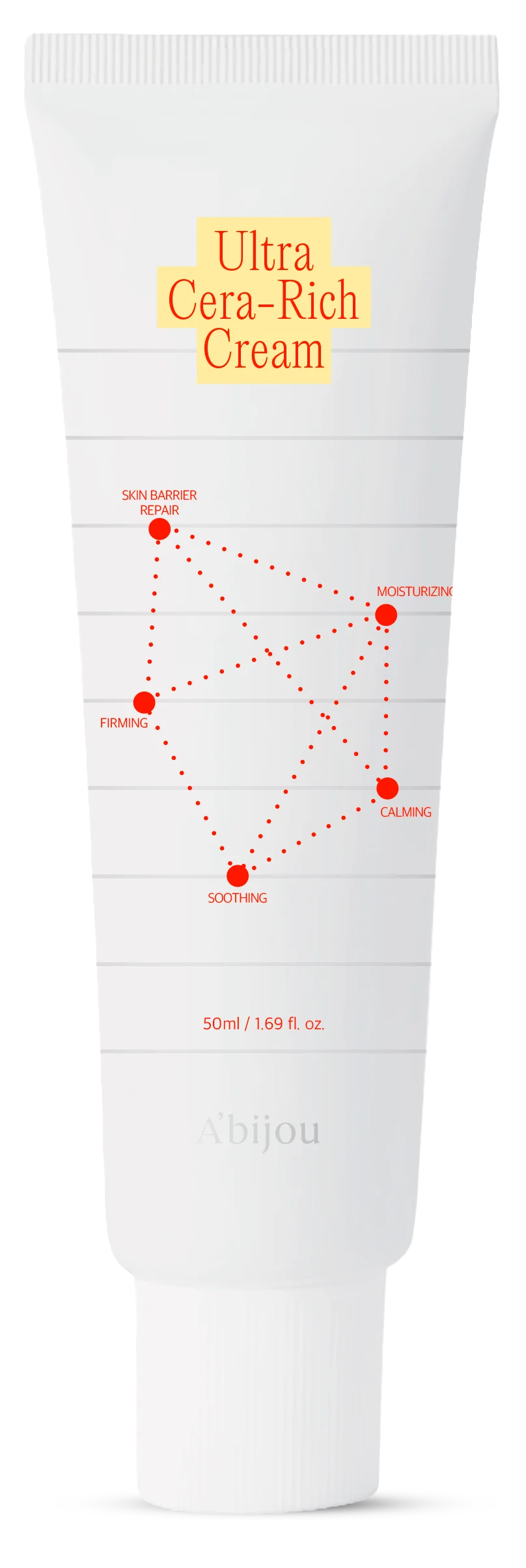 울트라 세라-리치 크림Buy
STEP 1 · 시술 직후 진정·장벽 케어