
Squalane Application Order: Which Step of Your Skincare Routine Should It Go?
Squalane is an oil ingredient that helps balance moisture and oil, and it's generally used in small amounts in the 'toner → essence/serum → lotion → cream' flow, after water-based products but before creamy, oil-rich products. However, depending on your skin type and daily condition, it can also be used as a final sealing step. There isn't a single correct answer—it's about adjusting the order based on your skin's current state.
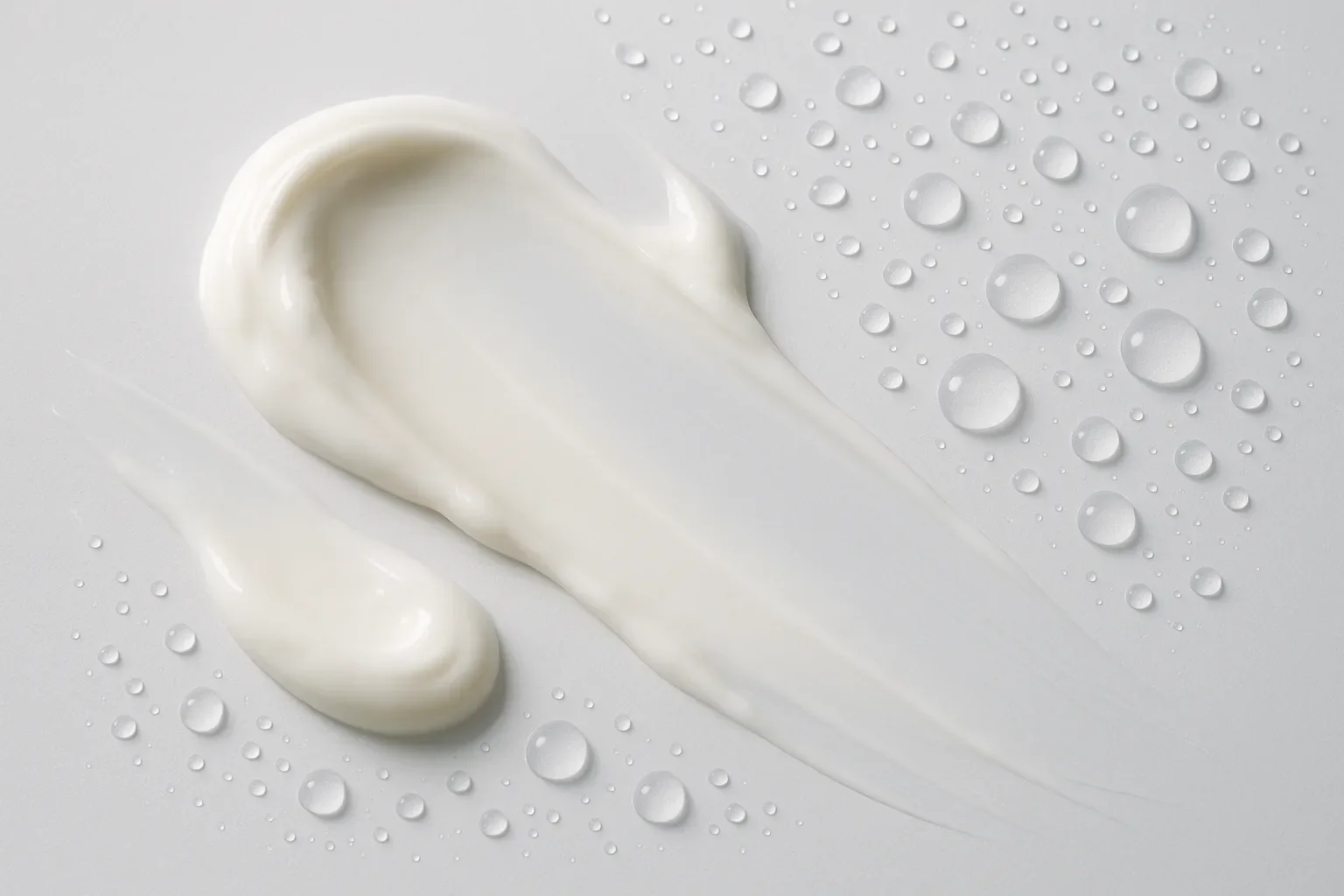
Squalane is an oil with a structure similar to human sebum, known for its light texture and high oxidative stability, making it an ingredient that can be flexibly incorporated into various skincare routines.
However, the answer to 'what step should it be applied at' can vary depending on the product's formulation (oil vs. emulsion type) and skin condition, so rather than seeking a universal answer, it's important to understand the underlying principle and adjust accordingly.
Why Is Squalane's Order Confusing? Understanding the Nature of Oils
Skincare products are generally used in order from high-moisture, lightweight formulas to heavier, more viscous, oil-rich formulas. This is because lighter formulas create room for absorption into the skin first, and heavier formulas then seal that in to prevent moisture evaporation.
Since many squalane products come in pure oil form, they're commonly used as the 'very last, sealing step.' However, if squalane is blended into an essence or serum, you should follow that product's own designated order (typically after toner, before cream).
In other words, within the 'moisture supply → oil sealing' flow, whether a pure oil-type squalane is placed before cream or as the final step on top of cream depends on whether your skin is dry or oily.
Order guide by skin type and condition
For dry or dehydrated skin, after sufficiently hydrating with toner and essence, apply a thin layer of squalane before cream to create a layer that locks in moisture and oil, then finish with cream for an added sealing effect.
For oily or combination skin, or during times like summer when oiliness feels burdensome, skipping the cream and applying a small amount of squalane as the very last step can help reduce that heavy feeling.
During periods when the skin barrier feels weakened, such as seasonal changes or right after a procedure, it's reassuring to skip potentially irritating exfoliants or high-concentration acid serums and instead use barrier-care ingredients like squalane and ceramides together within a simple, soothing-and-moisturizing-focused routine.
A time to be especially careful — when the skin barrier is weakened
Right after procedures like lifting treatments or skin boosters, when skin is temporarily sensitive, the priority is to simplify your routine with low-irritation, simple-formula products, rather than worrying about where to place squalane in the steps.
During this period, the first few days when redness and heat need to settle down and the later recovery phase when tightness remains require different care, so using products suited to each stage may be more beneficial for restoring skin condition.
Why step-by-step home care matters during post-procedure recovery
The first 1 to 3 days after a procedure are marked by noticeable redness and heat, so it's best to minimize irritation while focusing on soothing and barrier care. During this time, lightly absorbing, soothing formulas may be preferable to oil-based ones.
From day 4 onward, as redness settles somewhat, skin enters a recovery phase marked by tightness and fine flaking, which calls for a natural shift toward care focused on deep hydration and texture refinement.
Ingredients like squalane that help balance moisture and oil can also be incorporated at the right time within this flow, ensuring the necessary care isn't missed at each stage of recovery.
Summary of the step-by-step home care routine
STEP 1 (initial irritation, days 1–3): After cleansing, smooth the skin with toner, then apply a generous layer of a low-irritation soothing cream to focus on calming redness and heat. During this time, it's best to minimize oil use and focus on gentle hydration.
STEP 2 (recovery phase, from day 4 onward): Once tightness and flaking begin to bother you, fill in deep hydration with a highly moisturizing serum or cream, and if needed, add a small amount of squalane as the final step to help prevent moisture loss.
For your everyday routine, the basic order of 'toner → hydrating serum → (squalane, if needed) → cream' is recommended, but feel free to flexibly adjust where squalane fits in depending on how tight your skin feels that day.
Post-procedure recovery depends on home care
In situations like the post-procedure recovery period, where skin condition changes by stage, using a 2-STEP product designed to match that flow can be one approach. ZXQMAGAZINETERMABJU CreamZXQ consists of the 'Ultra Cera-Rich Cream (STEP1)' which helps with soothing and barrier care for 1-3 days right after a procedure, and the 'Hydro Re-Boosting Cream (STEP2)' for inner tightness and hydration care from day 4 onward, allowing you to layer them together with oil ingredients like squalane according to your skin's condition on any given day.
물리적 자극으로 붉어진 피부의 붉은기 진정에 도움. 개인차가 있을 수 있습니다.
출처 P&K 피부임상연구센타 시험성적서 (PNK-26224-RI2R)
물리적 자극으로 손상된 장벽이 손상 전 수준으로 회복되는 데 도움. 개인차가 있을 수 있습니다.
출처 P&K 피부임상연구센타 시험성적서 (PNK-26224-RI2R)
사용 24시간 후에도 보습 수치 유지에 도움. 개인차가 있을 수 있습니다.
출처 P&K 피부임상연구센타 시험성적서 (PNK-26223-RI1R)
피부결 정돈에 도움. 개인차가 있을 수 있습니다.
출처 P&K 피부임상연구센타 시험성적서 (PNK-26223-RI1R)
FAQ
- Should squalane be applied before or after serum?
- If you're using a pure oil-type squalane, it's typically applied after water-based serums, either before cream or as a final step on top of cream. However, if squalane is already blended into a serum product, simply follow that product's designated order.
- Can squalane be used instead of cream?
- For oily skin or during seasons when a heavier texture feels burdensome, some people use only a small amount of squalane as the final step instead of cream. However, for dry skin or a compromised skin barrier, using it together with a cream may be more helpful for maintaining hydration.
- Can squalane be applied right after a procedure?
- During the period right after a procedure when there's redness and heat in the skin, it's better to prioritize low-irritation, soothing products over oil-based ingredients. Once redness subsides and the skin enters a recovery phase with lingering tightness, moisture-oil balancing products can be gradually added.
- Can squalane be used together with ceramide cream?
- These two ingredients can be used together without issue, and in fact, they're often combined when you want to address both moisture-oil balance and barrier care at the same time. Just follow the principle of applying lighter textures first and heavier textures later.
Related products
 하이드로 리-부스팅 크림Buy
STEP 2 · 회복기 속보습
 울트라 세라-리치 크림Buy
STEP 1 · 시술 직후 진정·장벽 케어