
Under-Eye Wrinkle Home Care: How to Manage It by Cause
Under-eye wrinkles fall into two categories: temporary fine lines caused by dryness, and structural wrinkles caused by repeated expressions and reduced elasticity. Dryness-type wrinkles can noticeably improve with consistent moisturizing and barrier care, but structural wrinkles can only be slowed down with home care and may require professional consultation. Below is a breakdown of how to distinguish the causes and a home care routine organized by stage.
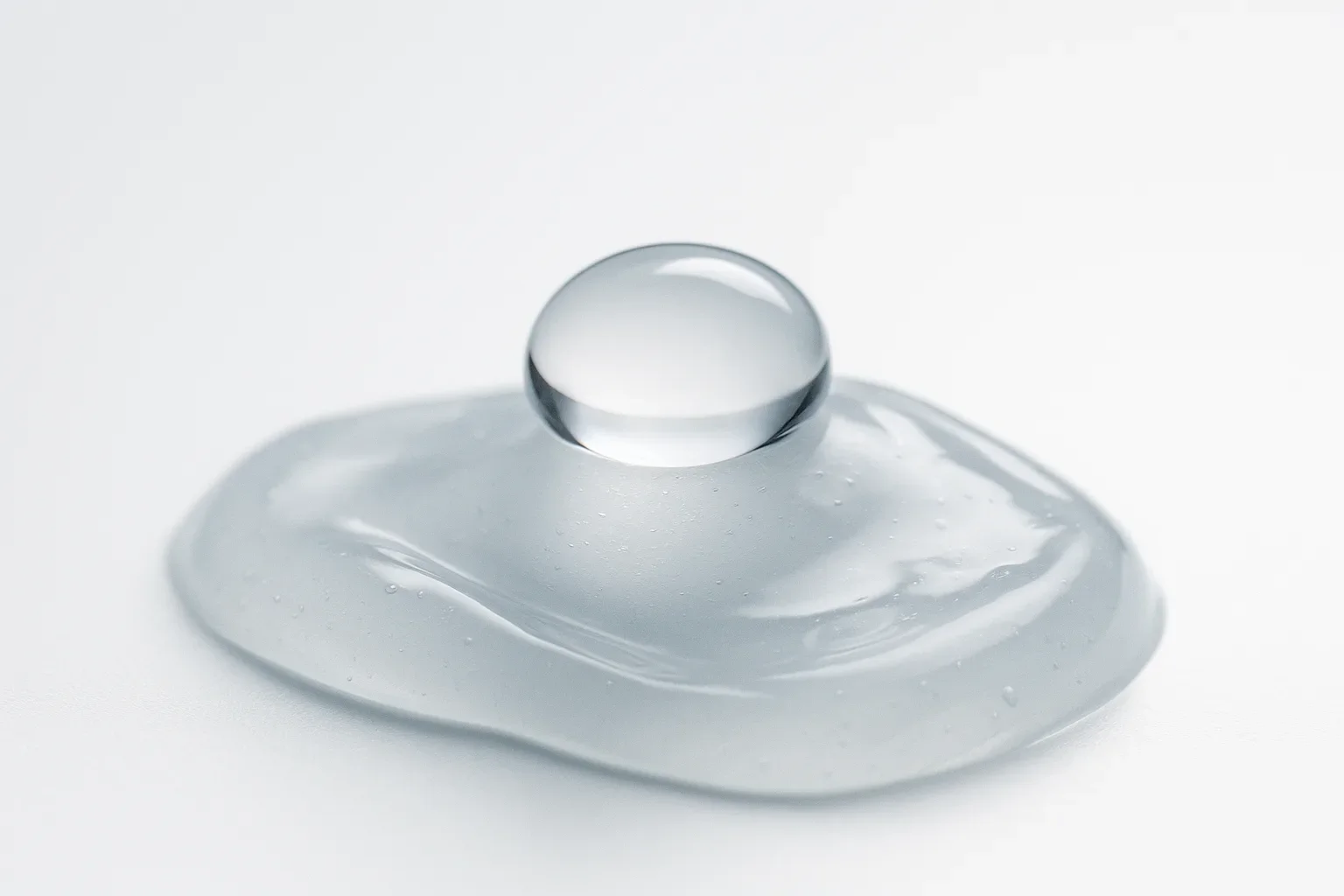
Noticing fine, crinkled lines under your eyes in the mirror in the morning can leave you feeling unsettled. You might wonder, 'Was this always here, or did it just appear?' In fact, the skin around the eyes is the thinnest on the face and has fewer sebaceous glands, making it less able to retain moisture. This is why wrinkles tend to show up there earlier and more easily than in other areas.
- 1Stage 1Fine lines appear only when dry in the morning and evening
- 2Stage 2Fine lines are noticeable all day and makeup starts to crease
- 3Stage 3Loss of elasticity accelerates due to accumulated UV exposure, lack of sleep, and friction
- 4Stage 4Wrinkles become structural and no longer smooth out even when pulled with your fingers
Why Do Under-Eye Wrinkles Occur?
Under-eye wrinkles can largely be divided into two types. One is 'dryness wrinkles,' thin, shallow fine lines that occur when the skin lacks internal moisture. These tend to stand out especially right after cleansing or during seasonal transitions, and temporarily fade with sufficient moisturizing.
The other type is 'structural wrinkles,' which are deep wrinkles caused by a combination of repeated facial expressions and the skin's own loss of elasticity. These wrinkles tend to remain visible even in normal conditions and often don't smooth out easily even when you stretch the skin with your fingers. Because the under-eye skin has low collagen and elastin density and less sebum production by nature, when both moisture and oil become deficient together, the two types can overlap.
If you're curious which type you're closer to, there's a simple way to check. After washing your face, check your under-eye wrinkles without applying anything, then apply a sufficient amount of moisturizer and check again after 10 minutes. If the wrinkles noticeably lighten, you're likely closer to the dryness type; if there's little change, structural factors may be playing a bigger role.
What happens if you leave it untreated?
If dryness-type wrinkles are left untreated, fine lines that were initially visible only in the morning and evening start becoming noticeable all day long. As the stratum corneum, unable to retain moisture, gradually becomes thinner and rougher, makeup is more likely to lift or cake on top of it.
When lifestyle factors such as UV exposure, lack of sleep, and frequent eye-rubbing are added on top of this, dryness-type wrinkles can gradually harden into structural wrinkles. In other words, what started as 'wrinkles visible only when dry' can progress into 'wrinkles that are always visible.' That's why it's important to start care as soon as you notice a change around your eyes.
A phase-by-phase home care routine for under-eye wrinkles
① Daily care — The basic approach is to use products made specifically for the eye area, layering moisturizing ingredients while minimizing irritation to the thin skin. Timing also matters: replenish moisture immediately after washing your face, before the skin dries out.
② On days with severe dryness (seasonal changes, heating/cooling) — Layer on a richer moisturizing product than usual, and gently pat rather than rub the under-eye area to help absorption. Repeated rubbing with your fingertips can actually make wrinkles more pronounced.
③ On days with high UV exposure — The under-eye area is a tricky spot to apply sunscreen to, but simply adding physical protection like sunglasses or a wide-brimmed hat can help.
④ Long-term care — The key is consistently using ingredients that help with skin texture and elasticity care, in addition to moisturizing. Rather than expecting improvement overnight, it requires steady observation and care over weeks to months.
For under-eye skin with a weakened barrier, try this approach
If your under-eye skin repeatedly feels tight and dry, an approach that also cares for the skin barrier itself—rather than simply adding moisture—may help. Products containing ingredients similar in composition to the skin's own lipids help hold moisture in place so it doesn't evaporate, making them worth considering for managing dryness-related fine lines.
In particular, after laser or lifting procedures, the skin barrier across the whole face, including the under-eye area, can become temporarily sensitive, and how you care for it during this period can affect your skin condition afterward. Regardless of whether you've had a procedure, establishing a solid under-eye moisturizing and barrier care routine is the foundation of home care.
Recovery after a procedure depends on home care
If you've just had a lifting or laser procedure, the skin all over your face, including the eye area, can become more sensitive than usual, which makes home care during this period especially important. ZXQMAGAZINETERMABJU CreamZXQ is a 2-STEP recovery solution for post-procedure care: in the first 1 to 3 days right after the procedure, the 'Ultra Cera-Rich Cream' provides soothing and barrier care, and from day 4 onward, during the recovery phase, the 'Hydro Re-Boosting Cream' continues with deep hydration and conditioning care. Both products are formulated with a complex of 5 types of ceramides and ingredients like panthenol that help with moisturizing and soothing, so they can also be worth considering for caring for the sensitive eye area skin affected by dryness.
손상된 장벽이 손상 전 수준으로 회복되는 데 도움. 개인차가 있을 수 있습니다.
출처 P&K 피부임상연구센타 시험성적서 (PNK-26223-RI1R)
사용 24시간 후에도 보습 수치 유지에 도움. 개인차가 있을 수 있습니다.
출처 P&K 피부임상연구센타 시험성적서 (PNK-26223-RI1R)
물리적 자극으로 손상된 장벽이 손상 전 수준으로 회복되는 데 도움. 개인차가 있을 수 있습니다.
출처 P&K 피부임상연구센타 시험성적서 (PNK-26224-RI2R)
FAQ
- Why do under-eye wrinkles look worse right after waking up?
- During sleep, moisture loss occurs and blood circulation slows down, so skin can feel temporarily drier and duller in the morning. Replenishing moisture right after cleansing often significantly improves this.
- Do I really need a separate eye-area product?
- Since the skin around the eyes is thinner and more sensitive to irritation than other areas, using a low-irritation product designed specifically for the eye area can provide peace of mind. However, extending your regular facial moisturizing and barrier care products to just below the eye area can also help.
- Does massaging the eye area help with wrinkle care?
- Excessive rubbing or pulling during massage can actually irritate the thin skin around the eyes. When applying moisturizing products, it's recommended to gently pat the product in for absorption rather than rubbing.
- Should I follow the same under-eye wrinkle home care routine after a lifting procedure?
- Right after a procedure, the skin overall can be sensitive, so gentle, soothing care with less irritation than usual is needed first. Once the skin stabilizes, it's advisable to return to your regular routine centered on moisturizing and barrier care.
- Can I check at home whether my wrinkles are dryness-type or structural?
- One method is to compare the state of your wrinkles right after cleansing versus 10 minutes after applying a sufficient amount of moisturizer. If there's a noticeable change, it's more likely dryness-type; if there's little difference, structural factors may be playing a bigger role.
Related products
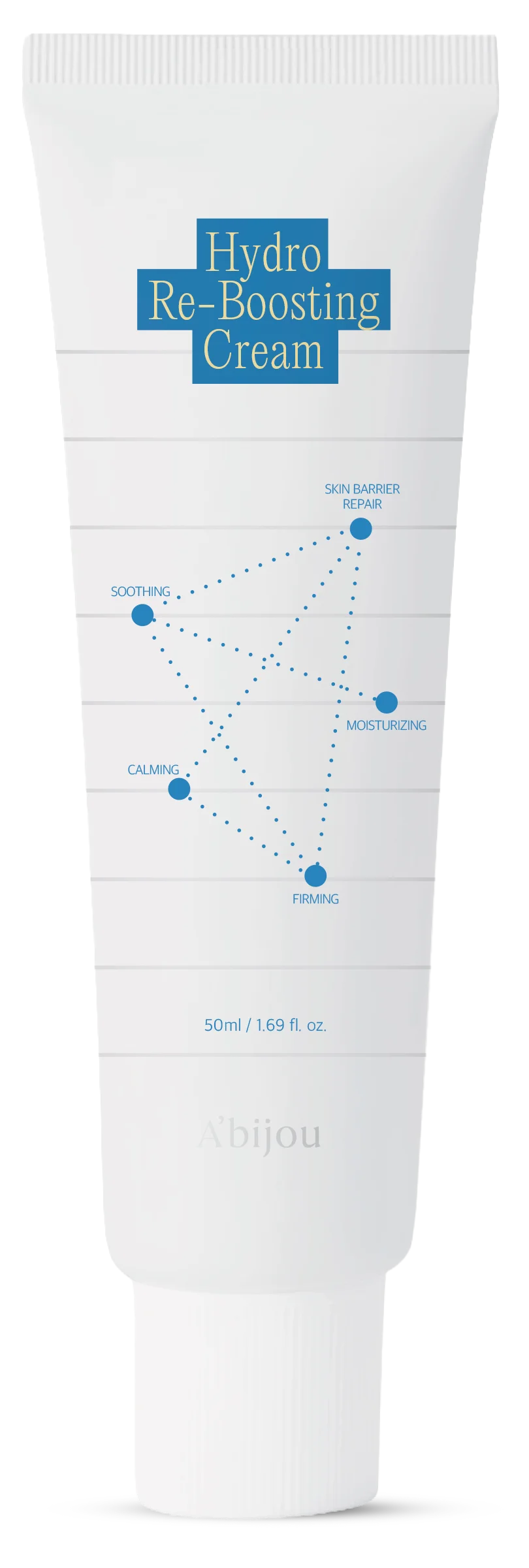 하이드로 리-부스팅 크림Buy
STEP 2 · 회복기 속보습
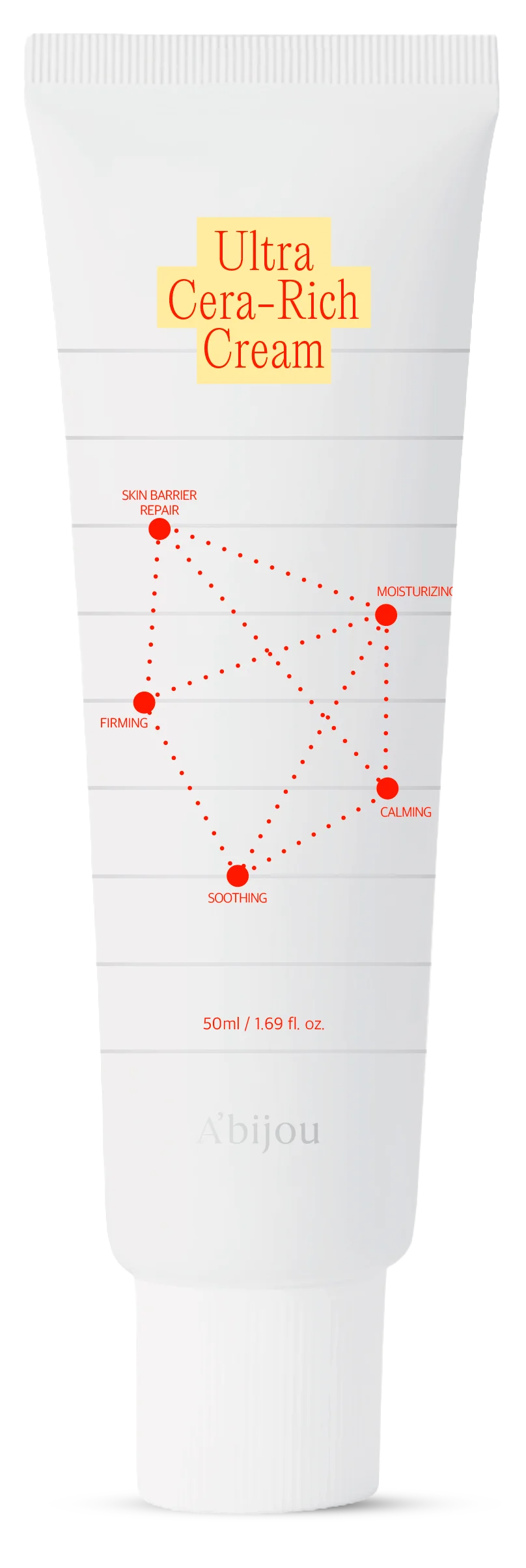 울트라 세라-리치 크림Buy
STEP 1 · 시술 직후 진정·장벽 케어