
Why Facial Sebum Increases and Sebaceous Gland Laser Treatment, Care Methods
Excessive facial sebum secretion is attributed to various factors such as stress and hormonal changes, and laser treatments targeting the sebaceous glands (1450nm, 1726nm, etc.) have been introduced as one way to address this. However, related studies have limitations in sample size and design, making it difficult to generalize their effects, and whether to undergo treatment and which method to use should be discussed with a specialist based on individual skin condition.
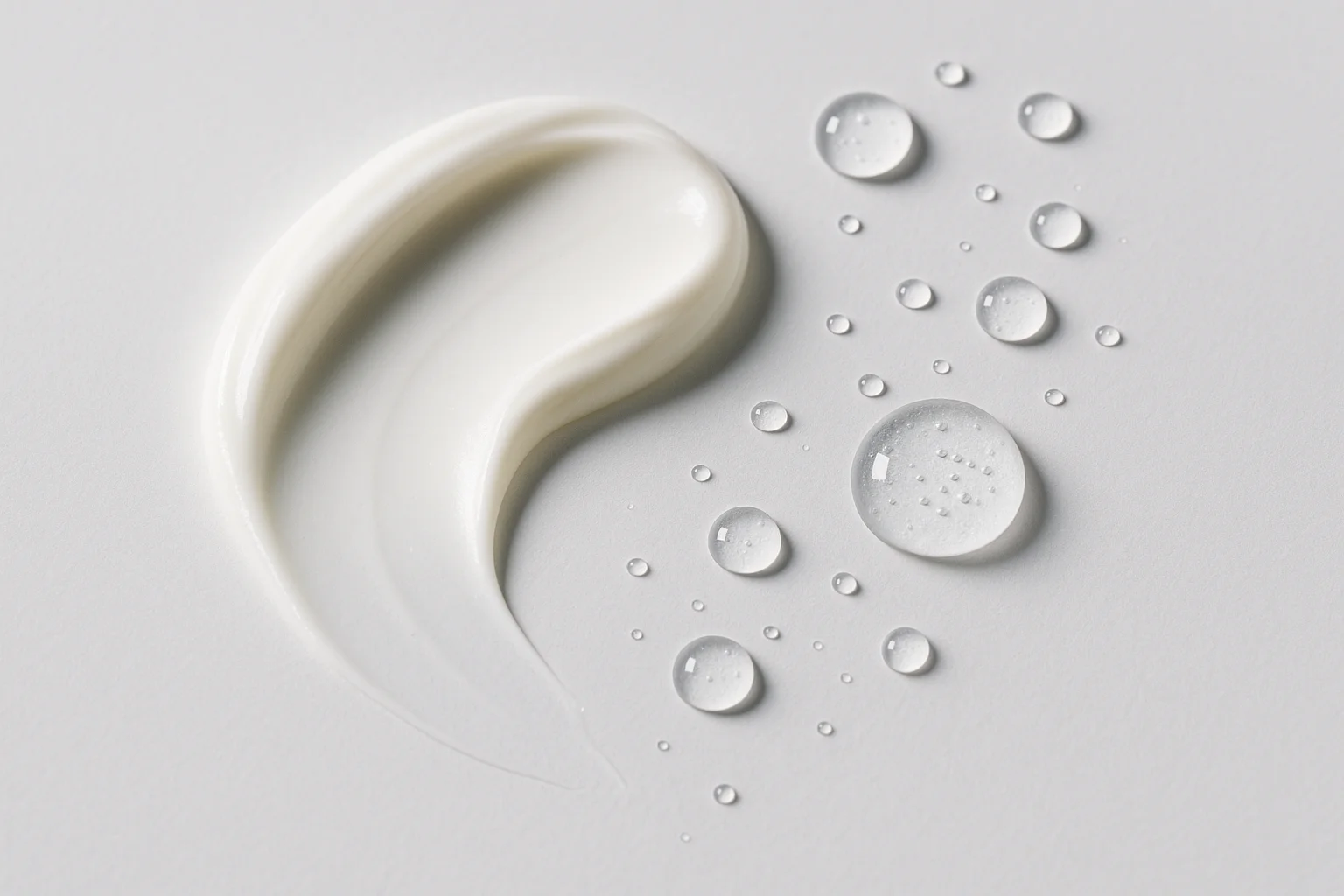
The experience of the forehead and nose area becoming shiny shortly after washing your face, pores appearing enlarged, or makeup easily breaking down is closely related to facial sebum secretion. Sebum is known as a normal secretion that prevents moisture evaporation from the skin's surface and protects the skin from external irritants, but when secretion becomes excessive, it can lead to enlarged pores or skin trouble, making it a target for management.
This article summarizes the factors cited as causes of excessive facial sebum, along with the principles, process, and precautions of sebaceous gland-targeting laser treatments recently discussed in dermatology, as well as considerations for home care during the recovery period after treatment.
- 1시술 직후일시적 붉은기·열감, 진정 케어 필요
- 2시술 후 1~3일부기·자극 완화 단계, 저자극 보습 권장
- 3회복기(수 주)피부 장벽 안정화, 속보습 케어 병행
- 4경과 관찰개인차에 따라 체감 시기 상이, 전문의 확인
Why Does Facial Sebum Become Excessive?
Sebum is a lipid component produced in the sebaceous glands and is understood to be one of the elements forming the skin barrier. There are explanations suggesting it also secretes antioxidant substances or contains substances related to skin immunity, but this should be taken as reference-level information rather than something academically well-established.
One explanation for excessive sebum secretion is that hormones such as cortisol, released during stress, stimulate androgen secretion, which in turn activates sebaceous gland activity. However, this explanation is often based on clinical observations or general materials rather than high-level evidence research, so it should be considered alongside the fact that causes and degree can vary by individual.
In addition, various factors such as genetic tendencies, season and temperature, hormonal cycles, dietary habits, and improper cleansing habits are known to influence the amount of facial sebum secretion.
How Laser Treatments Targeting the Sebaceous Glands Work
Recently, dermatology clinics have introduced laser-based treatments that target the sebaceous glands themselves as one way to manage excessive sebum. This approach uses energy at specific wavelengths—such as the 1450nm diode laser, 1540nm erbium glass laser, and 1726nm laser—to selectively act on the sebaceous glands within the skin, aiming to reduce their size and secretion.
This mechanism is described as potentially involved in regulating sebum secretion itself, which is why it is often discussed in connection with acne improvement as well. However, this is merely an explanation of the treatment's mechanism of action, and it does not guarantee the same results for everyone, as effects and perceived results can vary by individual.
IPL, radiofrequency, and photodynamic therapy are also mentioned among treatment categories that act on the sebaceous glands, but since the approach and applicable skin conditions differ depending on each device's wavelength and energy method, it is necessary to consult with a specialist before treatment to confirm the method suited to your skin type and concerns.
Progress and Limitations Seen in Research
Peer-reviewed journals (such as the Journal of Clinical Medicine) have published reports suggesting that sebaceous gland-targeting laser treatments may be involved in reducing sebaceous gland size and secretion, as well as improving acne, in patients with inflammatory acne. However, this was a retrospective study conducted during a specific period (around 2019–2020), and due to limitations in sample size and study design, the results are difficult to generalize.
For the 1726nm laser, a clinical trial registered on ClinicalTrials.gov was conducted using a split-face design, where one half of the face received actual treatment and the other half received sham (placebo) treatment as a control. The related paper reported good tolerability across various skin types in patients with moderate to severe acne, with a gradual improvement trend observed up to at least 26 weeks after treatment. However, this is the result of a single study, and matters such as official approval status in Korea or long-term follow-up data need to be separately confirmed.
Meanwhile, brand-name treatments (referring to specific branded laser names, etc.) used at some clinics in Korea are often based on promotional materials such as hospital blogs rather than academically cross-verified data. When considering treatment, it is advisable to prioritize a specialist's explanation of the wavelength, mechanism, and your own skin condition over the device's brand name.
Considerations Before and After Treatment, and Downtime
Since sebaceous gland-targeting lasers use thermal energy, temporary redness, a burning sensation, or swelling may occur immediately after treatment. These reactions are known to often subside over time, but the degree and duration can vary depending on individual skin condition, treatment intensity, and whether other treatments are combined.
Multiple sources commonly mention that after treatment, it is necessary to minimize UV exposure, avoid cosmetics with irritating ingredients, and provide gentle moisturizing care that takes into account the skin barrier's heightened sensitivity.
Home Care During the Post-Treatment Recovery Period
After treatments that use thermal energy, such as sebaceous gland lasers, the skin can become temporarily sensitive and the moisture-oil balance may be disrupted, so home care during this period is said to be able to affect the overall recovery process. However, since the speed and pattern of recovery vary by individual, if abnormal reactions persist or worsen, the first priority should be consulting with the medical institution or specialist who performed the treatment.
FAQ
Home Care Determines Post-Treatment Recovery
Since the skin is temporarily sensitive immediately after treatment, it can help to choose products that are low in irritation while helping to soothe redness and support barrier care. The Abiju Cream features a 2-STEP system: STEP1 Ultra Cera-Rich (soothing and barrier care) for immediately after treatment, and STEP2 Hydro Re-Boosting (deep moisture care) for the subsequent recovery period. STEP1 may be considered after lifting or thermal energy-based treatments, and STEP2 can be used together during the recovery period to help refine skin condition afterward. However, cosmetics do not replace the effects of the treatment itself, and whether and how to use them may vary depending on individual skin condition and treatment type, so please consult a specialist if needed.
Medically reviewed by 아비쥬의원 의료진. (September 10, 2026)