
Why Sun Protection Matters After a Procedure
Right after a procedure, the skin's barrier is temporarily weakened, making it react more sensitively to UV exposure. Neglecting sun protection during this period can lead to prolonged pigmentation or redness, so combining sun protection with hydration care according to each recovery stage is key to a smooth recovery. Here's a breakdown of stage-by-stage care and a home care routine.
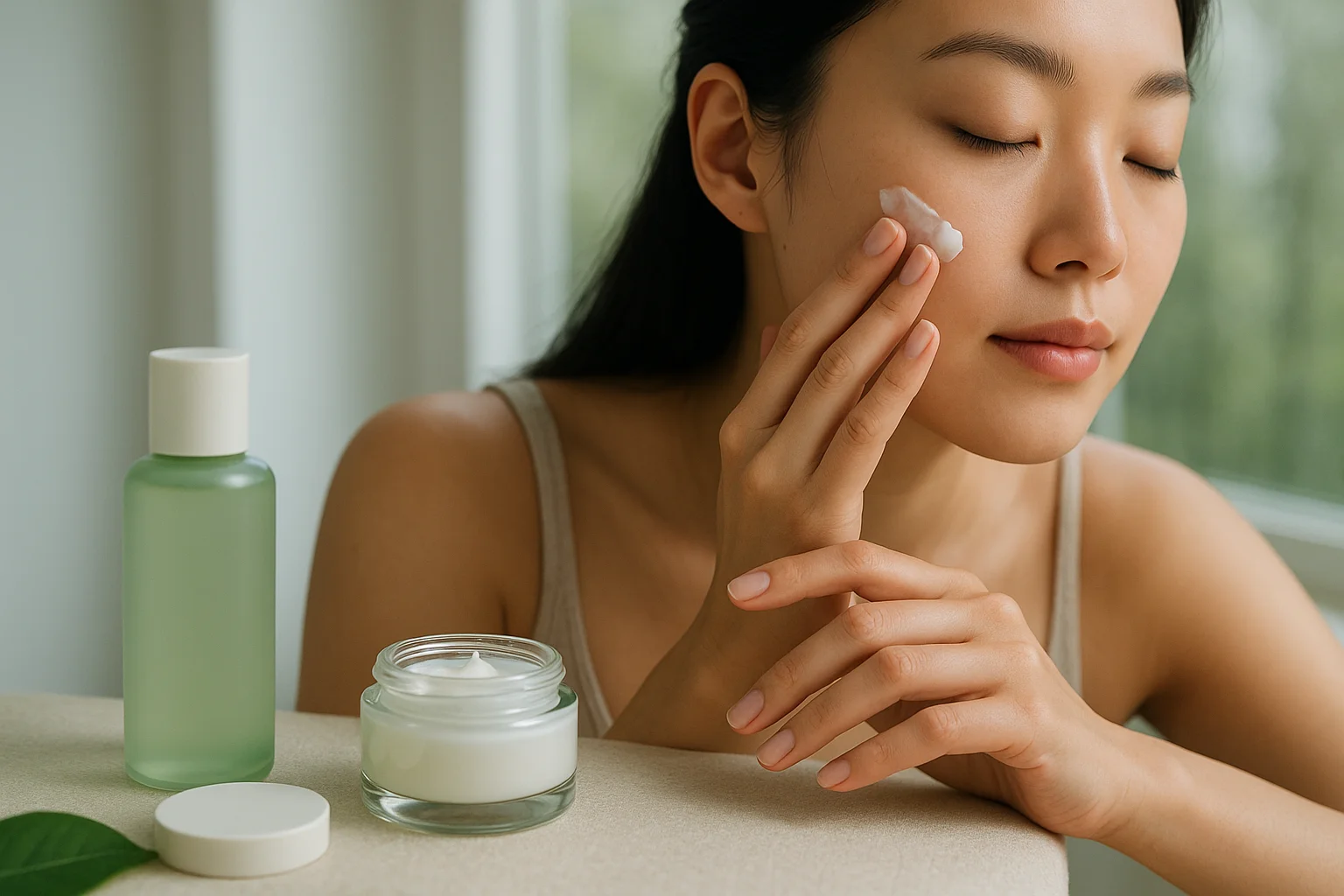
You've likely heard your clinic say, 'Be sure to protect your skin from UV rays' right after a procedure. It's easy to brush this off, but UV exposure during this period can affect the skin more than usual. This is because the skin barrier, temporarily thinned and made sensitive by the procedure, also has a weakened ability to block UV rays.
Why does skin become more sensitive to UV rays after a procedure?
Laser or lifting procedures deliver energy to the skin's surface and dermal layer, temporarily lowering barrier function and leaving the surface sensitive. In this state, UV exposure can easily stimulate and activate pigment-producing cells, which may increase the likelihood of pigmentation or lingering redness at the treated area.
In particular, skin with a weakened barrier also loses its ability to retain moisture, so when UV stimulation and dryness overlap, recovery can feel slower. That's why it's important to think of 'sun protection' and 'hydration and barrier care' as a set when caring for skin after a procedure.
Recovery timeline and precautions by stage
The first 1 to 3 days after a procedure are when the skin is most sensitive, and you may notice redness or slight irritation. During this time, it's best to avoid physical stimulation and UV exposure as much as possible, prioritizing sunscreen along with physical barriers like a wide-brimmed hat or mask when going outside.
From day 4 onward, redness gradually subsides and the skin enters a recovery period as it slowly stabilizes. However, since this is still a time when pigmentation can easily set in, it's good to keep up consistent sun protection while boosting skin condition with deep hydration care.
Recovery speed can vary depending on individual skin condition and the type of procedure, so if redness or irritation persists longer than expected, it's recommended to consult your clinic.
Try this step-by-step home care routine
During STEP 1 (days 1–3 after the procedure), it's best to minimize cleansing and skincare steps, soothing the skin with low-irritation, calming products. During this period, it's safest to follow your clinic's guidance on whether and how to use sunscreen.
From STEP 2 (recovery period, day 4 onward), we recommend a routine of applying sunscreen thoroughly every morning and layering deep hydration care on top to help settle skin condition. Skin that's well-hydrated can respond more comfortably to external stimuli.
The key to home care during this period is consistency—keeping up 'sun protection + deep hydration' without missing a day. Rather than treating it as a special event, making it a daily habit can help prevent pigmentation and support smoother skin texture.
Home care makes all the difference in post-procedure recovery
During home care in the recovery period (day 4 onward), it's good to pair sun protection with deep hydration care that fully replenishes the skin's moisture. The Hydro Re-Boosting Cream (clinical name: Renew-Vizu) is designed to support deep hydration and skin texture care suited to this stage, with a texture light enough to layer into a daily routine before sunscreen. Learn more → A-Vizu Cream
손상 전 수준으로 회복되는 데 도움 (개인차가 있을 수 있습니다)
출처 P&K 피부임상연구센타 인체적용시험
손상 전 수준으로 회복되는 데 도움 (개인차가 있을 수 있습니다)
출처 P&K 피부임상연구센타 인체적용시험
지속적인 속보습 케어에 도움 (개인차가 있을 수 있습니다)
출처 P&K 피부임상연구센타 인체적용시험
FAQ
- When should I start applying sunscreen after a procedure?
- In the first few days after a procedure, the skin is in a sensitive state, so it's safest to follow your clinic's guidance on when and what type of sunscreen to use. Generally, once redness starts to subside during the recovery period, it's advisable to apply sunscreen thoroughly every morning.
- Why should I be extra careful about UV exposure after laser procedures?
- Right after a laser procedure, the skin barrier is temporarily weakened, making it react more sensitively to UV stimulation. Exposure to UV rays during this period can easily stimulate pigment-producing cells, which may lead to pigmentation, so extra caution is needed.
- How can I prevent pigmentation after a procedure?
- The most basic step is to apply sun protection without skipping a single day, while also keeping the skin barrier and hydration levels stable, which can help. Using physical barriers like a hat or mask alongside sunscreen can provide extra peace of mind.
- How many days after a procedure should I be especially careful about UV exposure?
- The first 1 to 3 days after a procedure are when the skin is most sensitive, so minimizing UV exposure is recommended during this time. Since pigmentation can still easily set in during the following recovery period, it's advisable to pay extra attention to sun protection for at least a few weeks.
- Besides sunscreen, is there anything else worth doing during the recovery period?
- Yes, alongside sun protection, deep hydration care to help settle the skin barrier and overall condition can support recovery. When the skin has sufficient moisture, it can respond more steadily to external stimuli.
Medically reviewed by 아비쥬의원 의료진. (September 10, 2026)