
The Principle and Effects of 5 Types of Ceramides, Why They Matter for the Skin Barrier
Ceramides are lipid components that fill the skin's stratum corneum, and multiple types (NP, NS, AS, AP, EOP) working together can function closer to the actual lipid structure of the skin. Rather than including just one type of ceramide, having 5 types balanced with cholesterol and fatty acids may be more helpful for skin barrier care. This article covers the working principles of the 5 types of ceramides, actual changes in skin condition, and home care methods.
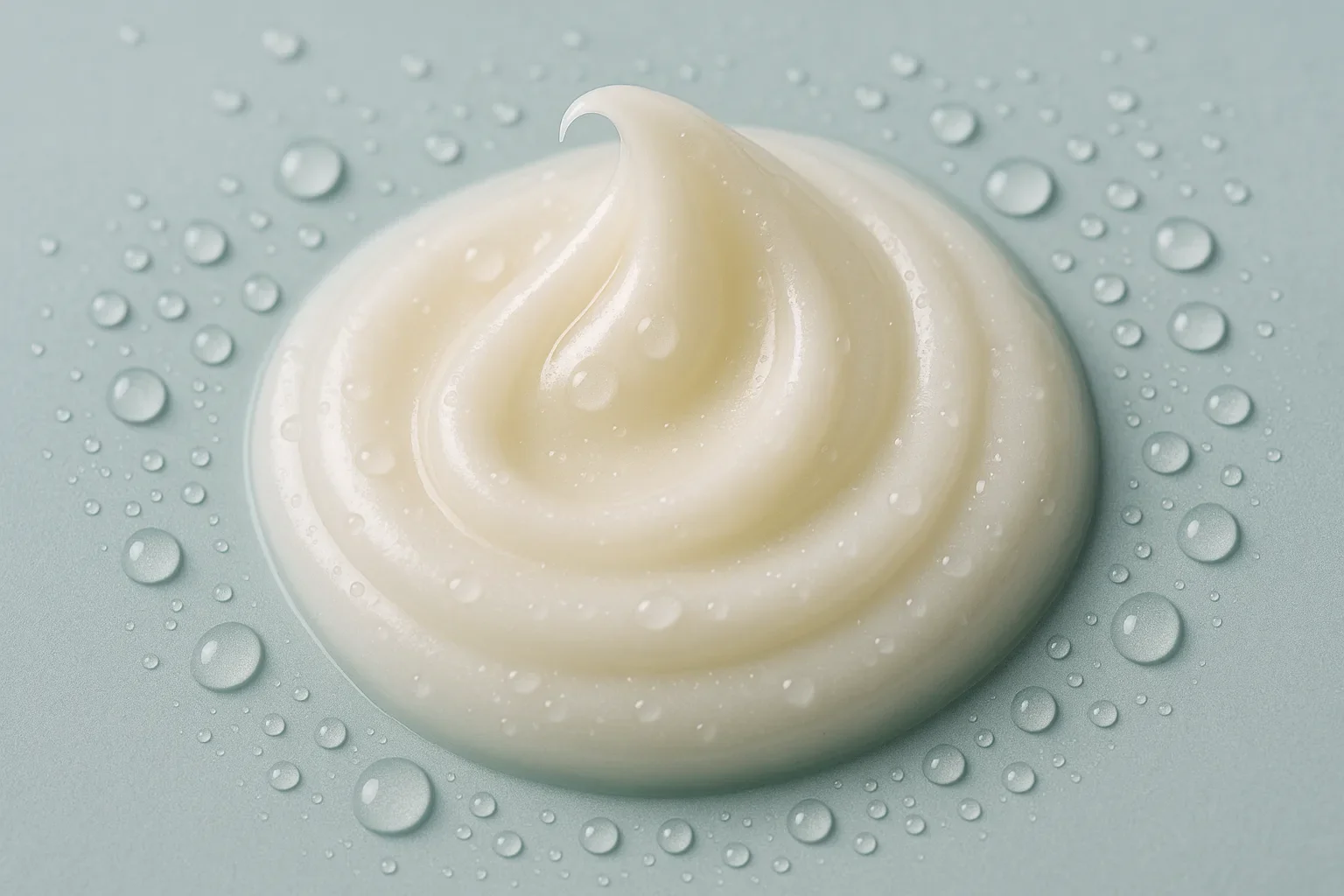
"They say ceramides are good, so wouldn't it be fine to just have a lot of them?" This is a thought that often crosses your mind when looking at ingredient lists. However, ceramides play different roles in the skin depending on their type, and the actual stratum corneum has multiple types of ceramides layered like bricks. Let's examine from the principle why the '5-type ceramide complex composition,' which combines multiple types rather than a single component, is drawing attention.
What role do ceramides play inside the skin?
The stratum corneum, the outermost layer of the skin, is often compared to a 'brick and mortar' structure. If keratinocytes are the bricks, the lipid components made up of ceramides, cholesterol, and fatty acids act as the mortar filling the spaces between them. The tighter this lipid structure is, the less moisture escapes, and external irritants have a harder time penetrating, allowing the skin to maintain a stable condition.
The problem is that when this lipid structure becomes disrupted due to age, environment, or frequent irritation, gaps form between the layers of the stratum corneum. Moisture escaping through these gaps causes the skin to feel tight and rough, and makes it react more sensitively to external irritants. This is why care that replenishes ceramides is necessary.
Why should it be '5 types' instead of '1 type'?
In the stratum corneum of actual human skin, ceramides with slightly different structures—such as NP, NS, AS, AP, and EOP—coexist together. Each ceramide has a different fatty acid chain length or bonding form, so they take on different positions and roles within the lipid structure. Supplementing with only one or two types means only partially filling the gaps between the bricks, which can differ from the actual lipid structure of the skin.
That's why, rather than adding a single type of ceramide at a high concentration, a more widely used approach combines several types formulated close to the skin's natural lipid ratio, along with cholesterol and fatty acids, which is considered more advantageous for barrier care. What is commonly called 'ceramide-cholesterol-fatty acid blend' follows the same concept.
When the barrier is disrupted, the skin changes over several days
Skin with a weakened barrier usually doesn't change instantly but sends signals over the course of several days. Right after irritation occurs, redness, slight heat sensation, and tightness tend to appear first, and during this period, light moisturizing care focused on soothing and protection can be helpful.
After a few days, once the redness begins to subside, a period comes where internal tightness and flaking become more noticeable. At this point, it's good to naturally transition to care that fills in deep moisture along with ceramide ingredients that reinforce the barrier. In other words, the key is a step-by-step approach of 'soothing → barrier reinforcement → deep moisturizing.'
Try dividing your home care into stages like this
Stage 1 (early irritation): When redness and heat are felt, it's best to apply product lightly, as if gently covering the skin, without rubbing. During this period, it's important to choose a light texture centered on low-irritation, soothing ingredients.
Stage 2 (recovery transition): If the redness has subsided somewhat but inner tightness or slight flaking remains, switching to a product with 5 types of ceramides along with hydration can help fill moisture deep into the stratum corneum.
Stage 3 (maintenance): Even during ordinary times without particular irritation, consistently using a cream containing ceramides can help keep the skin's lipid structure stable. It's good to pay extra attention during seasonal changes or times when dryness is especially noticeable.
Continuing ceramide care through products
Home care makes all the difference in post-procedure recovery
Based on this step-by-step approach, ZXQMAGAZINETERMABIJU CreamZXQ has designed two separate products. During the early irritation stage (days 1-3), the 'Ultra Cera-Rich Cream' containing 5 types of ceramides focuses on caring for redness and skin temperature, while during the recovery transition period (from day 4 onward) when tightness begins, the 'Hydro Re-Boosting Cream' works together with ceramides to fill the stratum corneum with deep moisture. Both products are formulated with ceramides, cholesterol, and fatty acids in a ratio similar to the skin's natural lipids, so they can be used together for everyday barrier care even outside of irritation situations.
물리적 자극으로 붉어진 피부의 붉은기 진정에 도움. 개인차가 있을 수 있습니다.
출처 P&K 피부임상연구센타 시험성적서 (PNK-26224-RI2R)
물리적 자극으로 손상된 장벽이 손상 전 수준으로 회복되는 데 도움. 개인차가 있을 수 있습니다.
출처 P&K 피부임상연구센타 시험성적서 (PNK-26224-RI2R)
손상된 장벽이 손상 전 수준으로 회복되는 데 도움. 개인차가 있을 수 있습니다.
출처 P&K 피부임상연구센타 시험성적서 (PNK-26223-RI1R)
피부 각질층 속 수분 케어에 도움. 개인차가 있을 수 있습니다.
출처 P&K 피부임상연구센타 시험성적서 (PNK-26223-RI1R)
FAQ
- Is it better to have more ceramide content?
- Composition matters more than content. Since the actual skin lipids are structured with multiple types of ceramides balanced with cholesterol and fatty acids rather than a single type, a product that combines several types in an appropriate ratio may be more helpful for barrier care than a product with a high concentration of a single ceramide.
- What exactly are the 5 types of ceramides?
- These refer to ceramides commonly classified as NP, NS, AS, AP, and EOP. Each has a different structure and chain length, playing a role in filling different positions within the lipid membrane of the stratum corneum.
- Can ceramide cream be used on irritated skin?
- Ceramides are moisturizing ingredients intended for barrier care and are generally mild, but during periods of severe irritation, it's a good idea to also check whether the product is irritating. Both ABJU cream products were determined to be non-irritating in human skin primary irritation tests.
- When can I start feeling the effects of ceramides?
- There is individual variation, but in human application tests, changes in redness and barrier indicators have been observed immediately after use in irritated conditions. However, this may vary depending on individual skin conditions.
- Can I use ceramide 5-type cream even if I haven't had a procedure?
- Yes, ceramides are moisturizing ingredients that can be used in everyday situations where you feel dry or that your barrier is weakened, regardless of whether you've had a procedure.
Related products
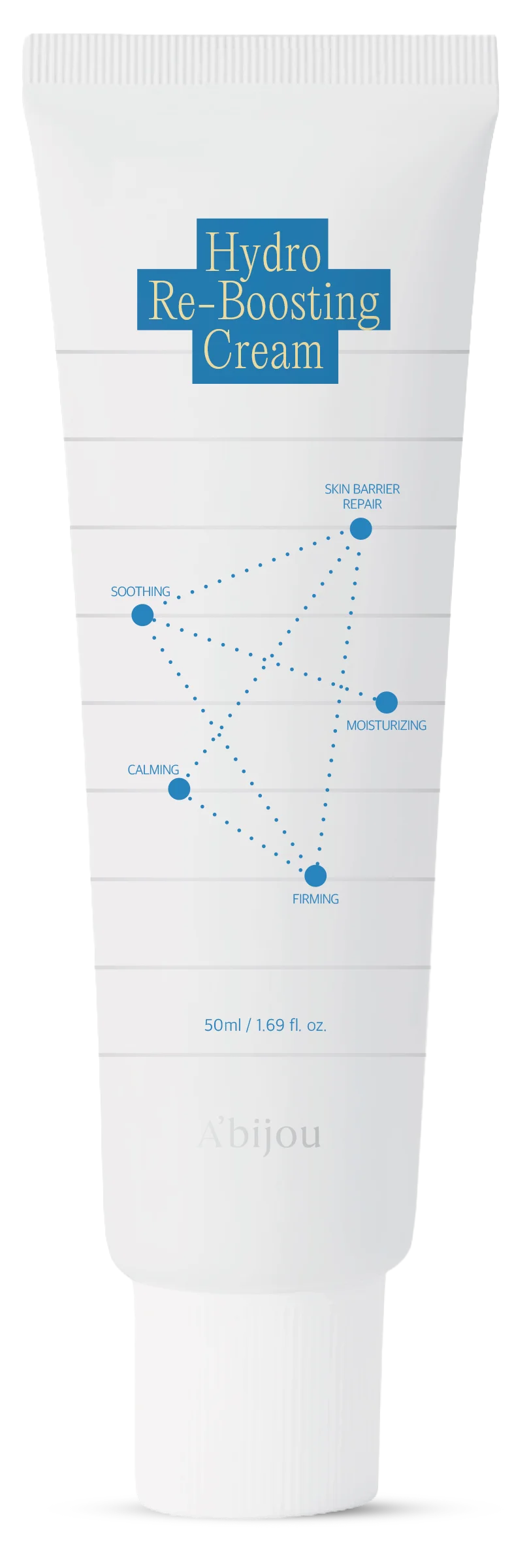 하이드로 리-부스팅 크림Buy
STEP 2 · 회복기 속보습
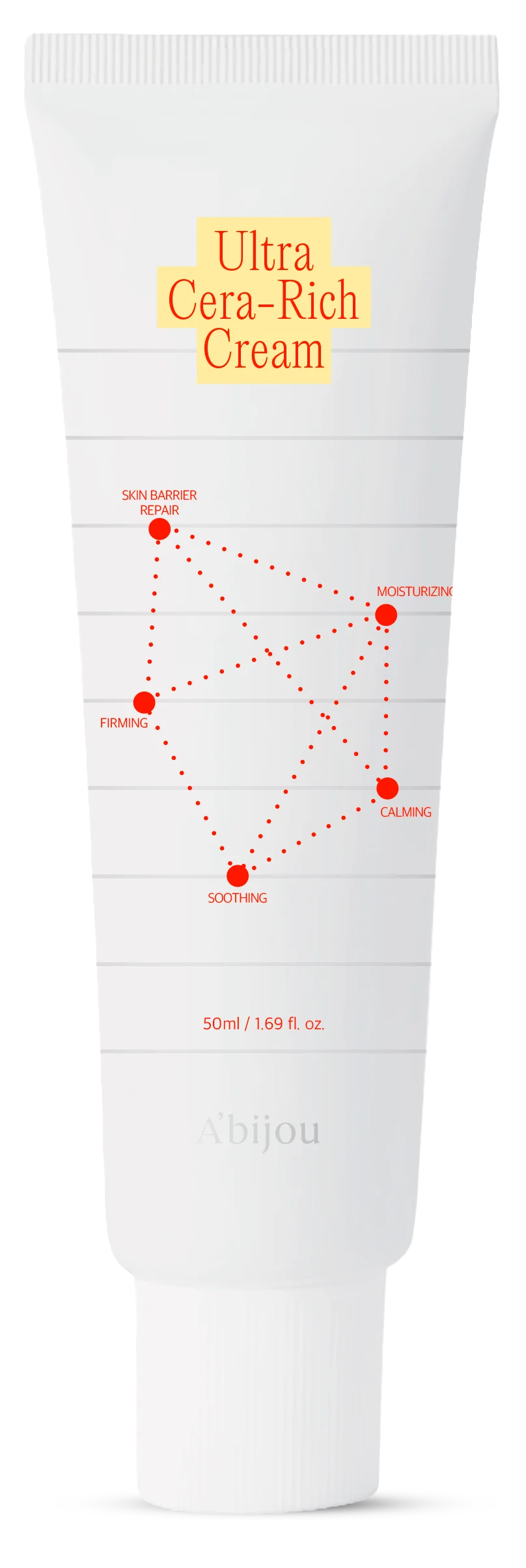 울트라 세라-리치 크림Buy
STEP 1 · 시술 직후 진정·장벽 케어