
Cholesterol Application Order: A Step-by-Step Skincare Guide
Cholesterol is a component that, along with ceramides and fatty acids, makes up skin lipids. It is generally used as the final moisturizing step after toner, i.e., at the cream stage. Since these three components work best together in a certain ratio for barrier care, the key is applying a cream that combines ceramides, cholesterol, and fatty acids as the last step in your skincare routine, rather than using a 'single-ingredient cholesterol' product.
Among those who love good ingredients, 'cholesterol application order' has been a frequently searched topic. When people hear 'cholesterol,' they tend to think only of vascular health, but cholesterol actually exists in the skin's stratum corneum as well, forming one of the three key lipids—along with ceramides and fatty acids—that make up the skin barrier.
To get straight to the point, cholesterol is basically used as the very last step in skincare, at the cream (lotion) stage. The method is to apply hydrating products first, then finish with a cholesterol-containing cream that has some oiliness to lock in moisture.
- 1CleansingGently with lukewarm water
- 2TonerReplenish hydration first
- 3Essence/SerumLighter formulation (optional)
- 4Cream (Finish)Cream combining ceramides, cholesterol, and fatty acids
The Role of Cholesterol in the Skin
The skin's stratum corneum is often compared to a brick-and-mortar structure. If skin cells are the bricks, ceramides, cholesterol, and fatty acids act as the mortar filling the spaces between them. When these three lipids exist in a proper ratio, the skin barrier stays tightly maintained, helping to prevent moisture loss and protect the skin from external irritants.
So applying cholesterol alone in high concentration doesn't necessarily improve the barrier — it's known to be more important to use a product that's balanced with ceramides and fatty acids together.
When and why cholesterol becomes necessary — times when the barrier breaks down
During seasonal dryness, frequent exfoliation, UV exposure, and situations involving physical or thermal stimulation to the skin such as lifting or laser procedures, the lipid balance of the stratum corneum can easily become disrupted. In these cases, many people notice their skin feeling tight and sensitive within a few days.
Typically, the first 1–3 days after stimulation involve redness, warmth, and stinging, and from days 4–7 onward, the redness subsides but the skin enters a recovery phase marked by tightness and fine flaking. This is why the direction of care needed differs slightly depending on the stage.
Application order by skincare step
Step 1: After cleansing, first fill the skin with moisture using a toner. Step 2: If you have a lighter formulation like an essence or serum, absorb it next. Step 3: Finally, apply a cream formulated with ceramides, cholesterol, and fatty acids to lock in the moisture applied earlier and form a thin protective layer — this is the basic order.
In other words, simply follow the skincare principle of 'light to heavy.' Since cholesterol often works together with oil-based ingredients, it's easy to remember that it always belongs at the final finishing step.
The order differs slightly before and after procedures
Right after a lifting or skin booster procedure, the skin is in a sensitive state, so it's better to simplify to a minimal soothing step rather than layering multiple steps. During this period, it's recommended to simplify the routine to lightly absorbing toner after cleansing and then applying a soothing, barrier-care cream right away.
A few days after the procedure, once the redness subsides and the skin enters the recovery phase where tightness is felt, it's natural to return to the usual toner-essence-cream order, finishing with a cream focused on deep hydration. Ultimately, since how you care for your skin after a procedure can affect how the recovery feels, choosing the right order and formulations for each stage matters.
Try dividing your home care by stage like this
In the first 1–3 days right after stimulation or a procedure, lightly absorb toner after cleansing, then gently layer on a thick cream containing ceramides, panthenol, etc. without rubbing, focusing on areas with redness or warmth.
During the recovery phase from day 4–7 onward, when tightness and fine flaking become noticeable, it's good to absorb toner and then gently pat in a deep-hydration cream along the skin's texture, layering it in. During this period, it also helps to lightly layer moisture-rich formulations multiple times.
For general skin condition maintenance, it's a good habit to consistently apply a cream combining ceramides, cholesterol, and fatty acids as the final step in the evening even on days without particular irritation, to maintain barrier condition.
Product link
ABIJOO Cream is composed of 2 steps that directly reflect this phase-based order. Right after irritation or a procedure, apply a thin layer of the Ultra Cera-Rich Cream—formulated with 5 types of ceramides, cholesterol, and fatty acids in a ratio similar to skin lipids—as the last step to help soothe and care for the barrier. Once redness has calmed down and you enter the recovery phase, switch to the Hydro Re-Boosting Cream, designed to help with tightness and texture care together. Both products should be used after toner in the last step of your skincare routine.
Post-procedure recovery depends on home care
ABIJOO Cream is composed of 2 steps tailored to the phase-based order from right after a procedure through the recovery period, designed so that a single cream applied at the last step of your skincare routine can continue barrier and deep moisture care.
물리적 자극으로 붉어진 피부의 붉은기 진정에 도움. 개인차가 있을 수 있습니다.
출처 P&K 피부임상연구센타 시험성적서 (PNK-26224-RI2R)
물리적 자극으로 손상된 장벽이 손상 전 수준으로 회복되는 데 도움. 개인차가 있을 수 있습니다.
출처 P&K 피부임상연구센타 시험성적서 (PNK-26224-RI2R)
피부결 정돈에 도움. 개인차가 있을 수 있습니다.
출처 P&K 피부임상연구센타 시험성적서 (PNK-26223-RI1R)
FAQ
- Can I apply cholesterol in serum form first and then apply cream?
- It depends on the formulation, but since cholesterol is often combined with oil-based ingredients, it's generally used at the very last step of skincare, the cream stage. Even in serum form, the principle of applying lighter formulations first and heavier ones later still applies.
- If I use cholesterol and ceramide together, don't their steps overlap?
- They don't overlap. In fact, cholesterol, ceramide, and fatty acids are known to be more effective for barrier care when combined together in a single product, forming a composition similar to skin lipids. There's no need to apply them separately.
- Do I need to follow the full toner-essence-cream order after a procedure?
- During the sensitive period right after a procedure, it's recommended to minimize steps and apply a soothing cream right after toner. Once redness subsides during the recovery period, you can return to your regular routine.
- Should I apply a cholesterol-containing cream both morning and night?
- During periods when the skin barrier is sensitive, it's good to use it as the final step both morning and night. For general maintenance purposes, using it once in the evening can also be helpful.
Related products
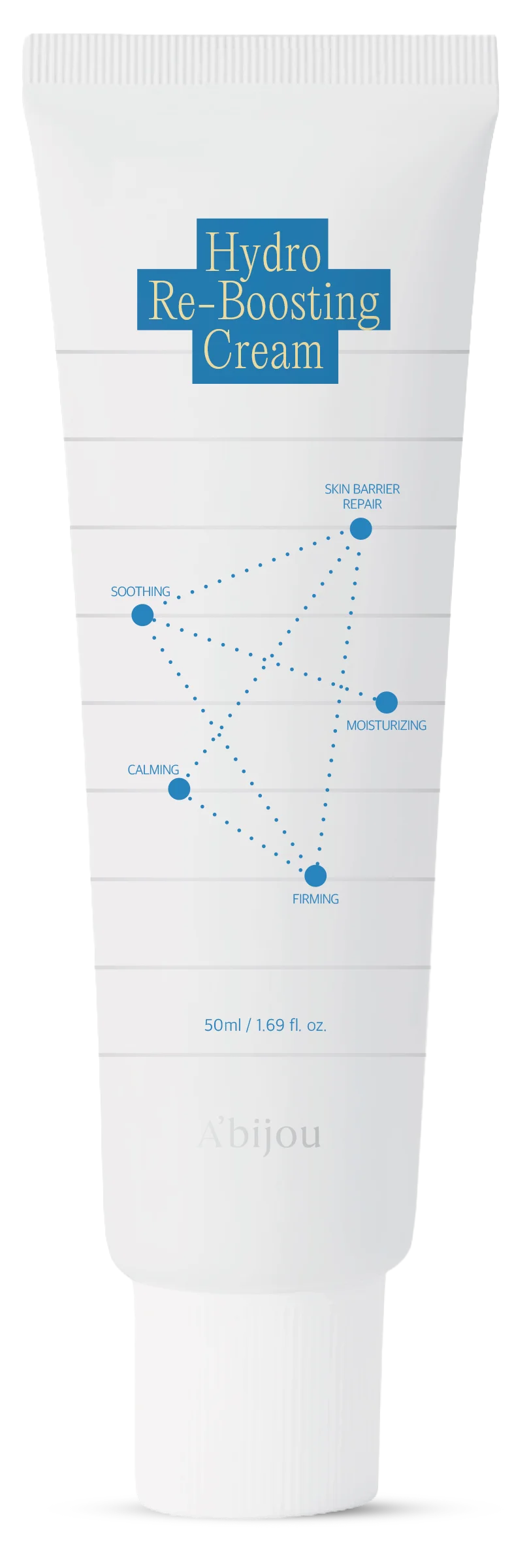 하이드로 리-부스팅 크림Buy
STEP 2 · 회복기 속보습
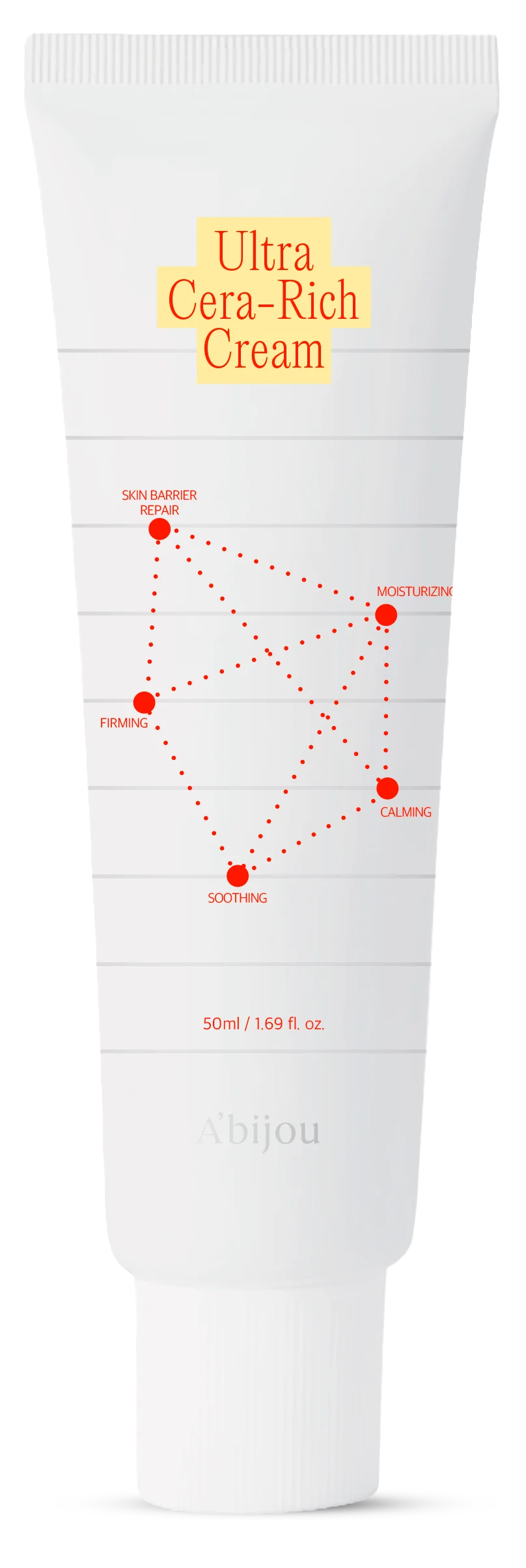 울트라 세라-리치 크림Buy
STEP 1 · 시술 직후 진정·장벽 케어