
Cream Order After Treatment: Should You Soothe First or Moisturize First?
To cut to the point, the basic approach is a two-step order: 'soothing and barrier care' comes first right after a procedure, followed by 'deep moisturizing and condition care' once the skin has stabilized. For a few days after lifting or laser treatments, the skin barrier is in a sensitive state, so it's natural to first calm the skin with a low-irritation soothing product, then move on to boosting hydration to reduce that tight, dry feeling once the skin enters the recovery phase. A lot of people get confused about the order, so today we'll walk through exactly what kind of care is needed at each stage.
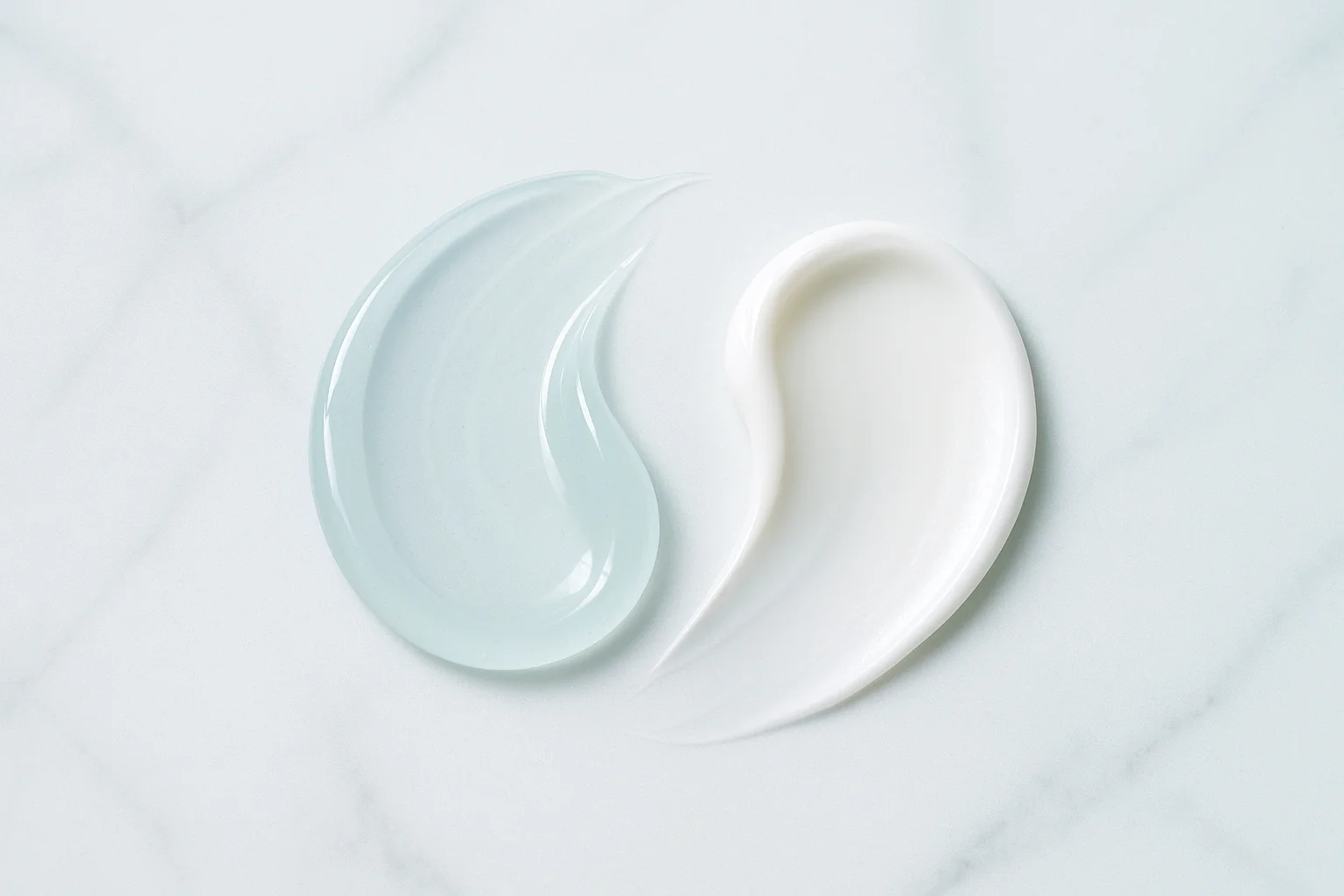
You might be wondering whether it's okay to apply cream right after a procedure, and if so, in what order. This is especially common among people who have both a soothing product and a moisturizing product and aren't sure which one to apply first. The answer is simple: during the period when skin is sensitive to irritation, gentle soothing and barrier care should come first, and once the skin has stabilized to some degree, it's better to move on to care that replenishes moisture.
Why does the order matter? Understanding your skin's condition after a procedure
Lifting and laser procedures work by delivering thermal energy or fine-level stimulation to the skin's surface and dermal layer. During this process, the skin barrier temporarily thins and its ability to retain moisture weakens, which can lead to redness, a warm/stinging sensation, or tightness. If you apply a thick layer of a high-moisture product without thinking during this period, some people actually end up feeling more irritation. That's why, in post-procedure dermatology care, the principle is to reduce irritation first, and replenish moisture second.
In other words, soothing care helps calm the sensitized barrier and guide it back to its normal condition, while moisturizing care helps that now-stabilized skin maintain a comfortable, tightness-free state by adding deep hydration. Simply following this order can make the recovery process feel much more comfortable.
Let's break down the timeline day by day
While there is certainly individual variation, in general the period from the day of the procedure through day 2 or 3 is when redness and sensitivity are most pronounced. During this time, it's best to cleanse with minimal irritation and focus on soothing care.
From day 4 onward, as redness gradually subsides, many people start to notice tightness or dryness within the skin instead. From this point, we recommend reducing the emphasis on soothing care and shifting the routine toward a higher-moisture product to replenish skin texture and deep hydration. Of course, this transition point can vary somewhat depending on your skin condition, so it's most important to pay attention to the signals your own skin is sending.
Follow along with this step-by-step home care routine
In Step 1 (right after the procedure through day 3), it's best to cleanse and then apply a low-irritation formula thinly in multiple light layers. The key is to pat it in gently for absorption rather than rubbing. During this period, we recommend pausing the use of exfoliants or products with high concentrations of active ingredients.
Moving into Step 2 (day 4 onward), slightly increase the amount of moisturizing cream, and if needed, reapply more than twice a day to reduce any tight, dry feeling. During this period, the skin may look calm on the surface while still being dry underneath, so neglecting moisturizing care can leave the texture looking rough.
What's important in both stages is sun protection and maintaining sufficient indoor humidity. Skin that's still recovering reacts more sensitively to outside irritants, so basic protection needs to go hand in hand with cream care for it to work well.
Home care makes all the difference in post-procedure recovery
The 2-STEP lineup from ABIJU Cream was designed to match this two-phase recovery flow. For days 1 to 3 right after a procedure, the 'Ultra Cera-Rich Cream' focuses gently on soothing and barrier care, while for the recovery phase from day 4 onward, the 'Hydro Re-Boosting Cream' focuses on deep moisture and skin condition care — reflecting the same soothing-first, moisturizing-second order explained above. Both products were confirmed non-irritating in a primary irritation test, so they're designed to be used comfortably even during sensitive periods.
손상 전 수준으로 회복되는 데 도움 (개인차가 있을 수 있습니다)
출처 P&K 피부임상연구센타 인체적용시험
손상 전 수준으로 회복되는 데 도움 (개인차가 있을 수 있습니다)
출처 P&K 피부임상연구센타 인체적용시험
손상 전 수준으로 회복되는 데 도움 (개인차가 있을 수 있습니다)
출처 P&K 피부임상연구센타 인체적용시험
보습 케어에 도움을 줄 수 있음 (개인차가 있을 수 있습니다)
출처 P&K 피부임상연구센타 인체적용시험
FAQ
- After a procedure, should I apply a soothing cream first or a moisturizing cream first?
- In general, it's natural to start with low-irritation soothing and barrier care for the first few days right after the procedure, then move on to a higher-moisture product once the skin has stabilized during the recovery phase. That said, the timing of this switch can vary depending on your skin condition.
- Is it okay to apply a soothing cream and a moisturizing cream together?
- Yes, that's fine. However, during the sensitive period right after the procedure, we recommend applying the soothing product thinly and focusing on it, then gradually increasing the amount and proportion of moisturizing care as the skin enters the recovery phase.
- How should I structure my daily recovery routine after a procedure?
- For days 1 to 3, cleanse gently and lightly layer on a soothing product, avoiding harsh exfoliation. From day 4 onward, increase the proportion of moisturizing products and make sure to keep up basic protection such as sun protection as well.
- How many days after a procedure should I switch to moisturizing care?
- Many people notice the redness subsiding and a tight, dry feeling starting to appear around day 4. This is generally when it's a good idea to start gradually increasing moisturizing care, but since there is individual variation, it's best to adjust based on how your skin is responding.
Medically reviewed by 아비쥬의원 의료진. (September 10, 2026)