본문 바로가기

Magazine

Post-procedure recovery guides and ingredient stories.

Ulthera vs Shurink: Which One Is Right for You? · Editorial Image
Comparison

Ulthera vs Shurink: Which One Is Right for You?

Ulthera and Shurink are both lifting procedures that use high-intensity focused ultrasound (HIFU) energy to deliver heat stimulation to deep skin layers, helping support skin elasticity care. However, they differ in the depth and method of energy delivery, perceived pain level, and downtime experience. For those in the early stages of sagging, Shurink-type treatments are often chosen as a lighter approach, while Ulthera tends to be considered for more advanced sagging—though this should only serve as a reference, as the final choice should always be made through consultation with a specialist based on individual skin condition. With both procedures, the skin barrier can become sensitive right after treatment, and how you care for your skin during this period can affect your skin condition afterward.
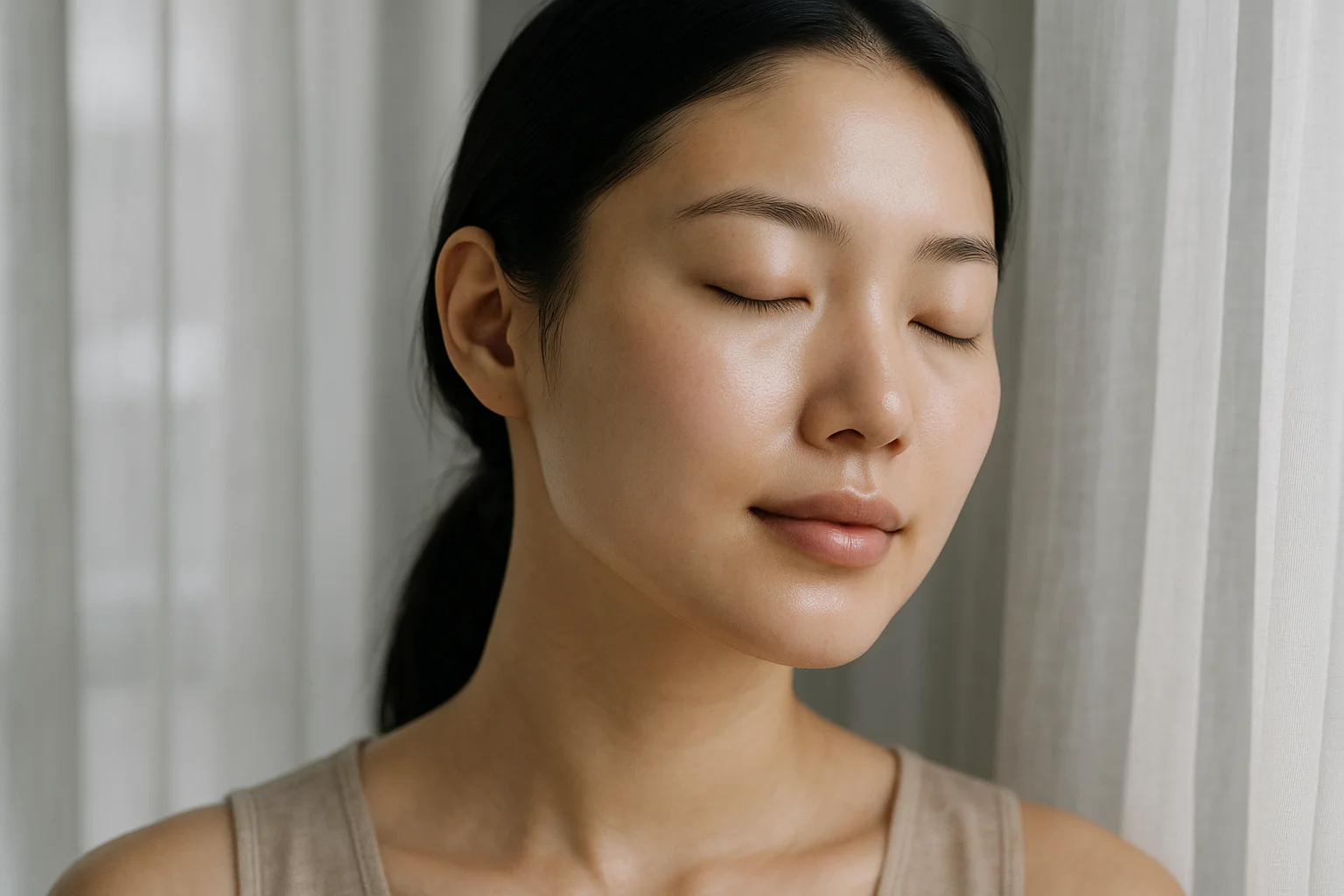
What Is Rejuran? A Complete Guide to Effects, Downtime, and Precautions · Editorial Image
Procedure Info

What Is Rejuran? A Complete Guide to Effects, Downtime, and Precautions

Rejuran is a skin booster treatment that injects PN (polynucleotide) into the skin to help improve skin condition and texture. Downtime varies by individual, but mild redness and slight swelling are common from the day of treatment up to about 3 days, gradually subsiding afterward. Since soothing and moisturizing home care in the days following the treatment can significantly affect the results, it's important to know the care steps in advance.

Cream Order After Treatment: Should You Soothe First or Moisturize First? · Editorial Image
Recovery Guide

Cream Order After Treatment: Should You Soothe First or Moisturize First?

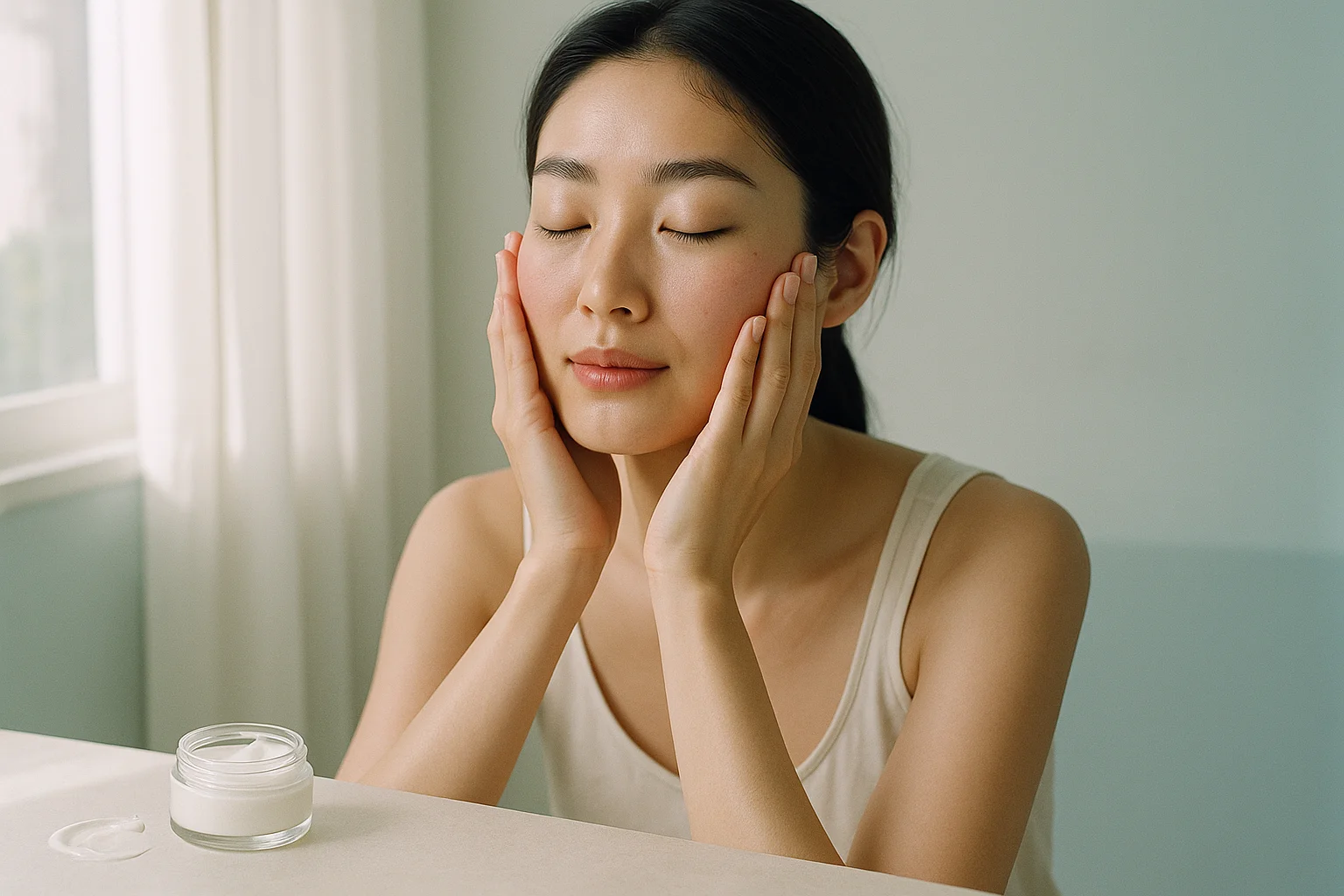
To cut to the point, the basic approach is a two-step order: 'soothing and barrier care' comes first right after a procedure, followed by 'deep moisturizing and condition care' once the skin has stabilized. For a few days after lifting or laser treatments, the skin barrier is in a sensitive state, so it's natural to first calm the skin with a low-irritation soothing product, then move on to boosting hydration to reduce that tight, dry feeling once the skin enters the recovery phase. A lot of people get confused about the order, so today we'll walk through exactly what kind of care is needed at each stage.

How to Calm Redness After Thermage: A Stage-by-Stage Home Care Guide · Editorial Image
By Concern

How to Calm Redness After Thermage: A Stage-by-Stage Home Care Guide

The redness and warmth that appear right after Thermage are a natural reaction that occurs as radiofrequency energy delivers heat to the deeper layers of the skin, and they tend to subside within a short period in most cases. Still, following a stage-appropriate home care routine focused on soothing and hydration can help the skin settle more comfortably. If redness persists for a long time or a burning sensation is severe, it's best to contact the clinic where you had the procedure.

What Is Thermage? From Principles and Effects to Post-Treatment Care · Editorial Image
Procedure Info

What Is Thermage? From Principles and Effects to Post-Treatment Care

Thermage is a non-surgical tightening procedure that uses monopolar radiofrequency (RF) thermal energy to deliver heat to the dermis, inducing collagen production. It aims to improve elasticity and skin texture over a broad area, with effects appearing gradually over 1 to 3 months (individual results may vary). Some warmth and redness may occur immediately after treatment, so soothing and barrier care can be helpful.

What Is Ulthera? From Principle and Effects to Post-Treatment Care · Editorial Image
Procedure Info

What Is Ulthera? From Principle and Effects to Post-Treatment Care

Ulthera is a non-surgical lifting procedure that uses focused ultrasound (HIFU) to stimulate collagen production in the deep layers of the skin. Without incisions, it aims to improve skin elasticity and refine the jawline, with results appearing gradually over 2 to 3 months (individual results may vary). Right after the procedure, soothing and barrier care for skin sensitized by heat stimulation can help maintain the results.